
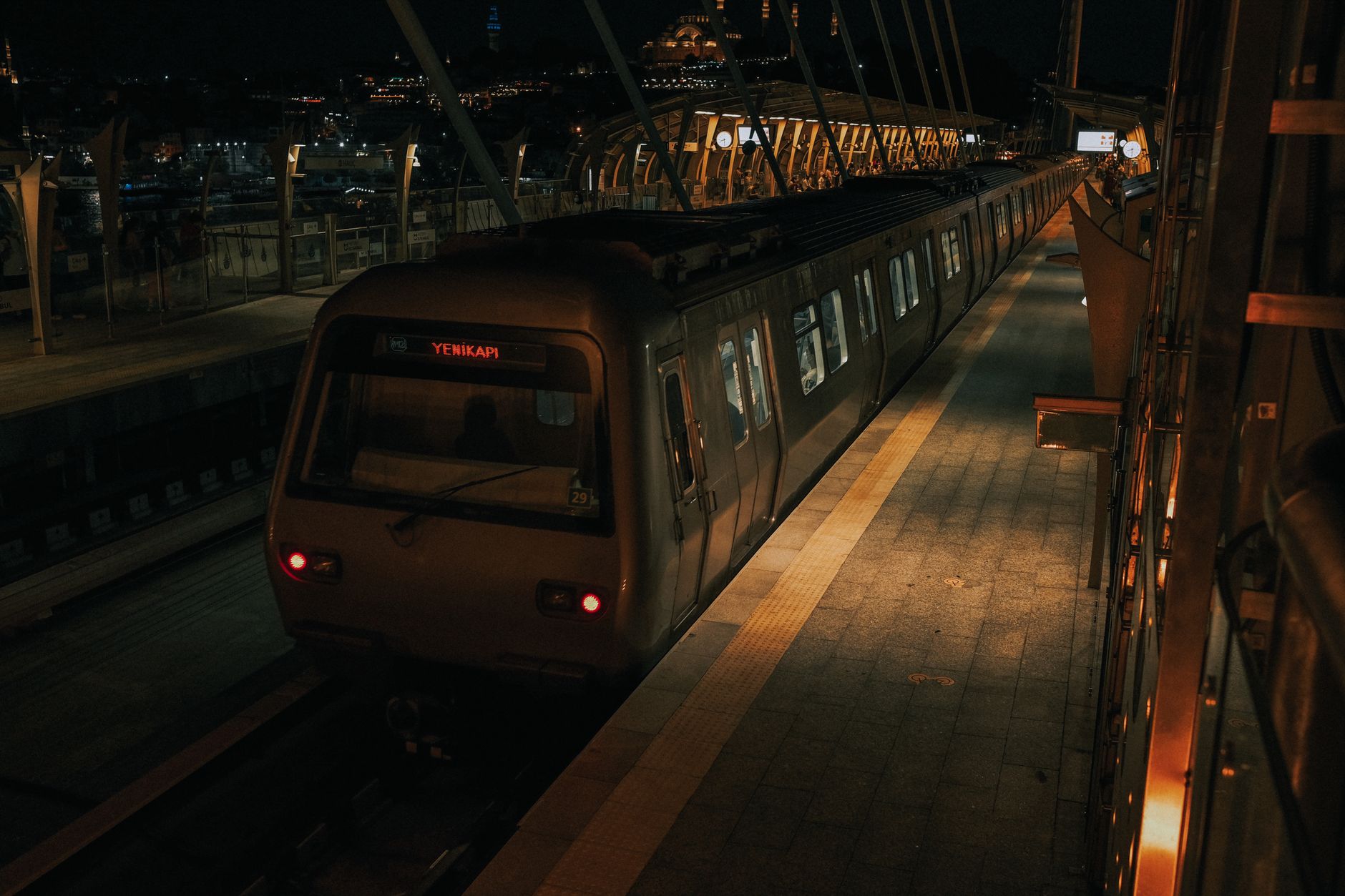
A violent shooting at Calgary’s Stampede-Victoria Park LRT station has hospitalized two people and left one suspect in custody. This Saturday night incident has reignited intense public debate surrounding Calgary transit safety and municipal security measures. Calgary Police Service officers responded quickly to the platform. They secured the scene and arrested a male suspect shortly after the gunfire. Readers will learn about the security breach, the immediate emergency response, and broader transit safety strategies.
- Two individuals suffered gunshot wounds during a Saturday night altercation on the Stampede-Victoria Park LRT platform.
- Calgary Police Service officers quickly apprehended one suspect at the scene, and charges are pending.
- One victim remains in life-threatening condition, while the second victim is in stable condition.
- The incident has accelerated municipal demands for increased security personnel across the Calgary Transit network.
The Stampede-Victoria Park station serves as a critical transit hub near the Calgary Stampede grounds. Recently, Calgary Transit has faced mounting public pressure to address safety concerns on its platforms.
While municipal officials have deployed additional transit peace officers, violent incidents continue to challenge public confidence. Local authorities have repeatedly emphasized that targeted patrols remain their primary tool to deter platform violence.
Historically, the city has resisted installing physical turnstiles, opting instead for an open-payment proof-of-fare system. This open design makes stations easily accessible but also presents unique security challenges for transit staff.
How Did the Calgary LRT Shooting Unfold?
According to initial police reports, gunfire erupted on the platform following a sudden physical confrontation. Emergency crews arrived within minutes to find two victims suffering from serious gunshot wounds.
Paramedics rushed both individuals to a nearby trauma centre for urgent medical intervention. One victim was admitted in critical, life-threatening condition, while the second sustained stable, non-life-threatening injuries.
Tactical officers quickly cordoned off the CTrain station to preserve evidence and search for suspects. Investigators successfully located and detained one individual of interest nearby without further incident.
Police have confirmed that this was not a random attack, suggesting the parties knew each other.
What Measures Are in Place to Protect Calgary Commuters?
In response to ongoing transit challenges, the city has updated its security deployment strategies. Security personnel now conduct more frequent patrols during late-night hours when rider volume decreases.
Additionally, hundreds of high-definition security cameras monitor platforms across the city in real-time. Commuters can also use designated emergency call boxes located on every station platform to contact dispatchers directly.
To understand these measures, riders can review the City of Calgary transit safety guidelines detailing passenger assistance programs. These resources outline how transit peace officers coordinate directly with local police forces during emergencies.
Furthermore, Calgary Transit has introduced a discreet text-reporting service. This allows passengers to report non-emergency safety concerns directly to dispatchers without drawing attention to themselves.
How Are Experts Responding to Transit Violence?
Public safety experts suggest that environmental design plays a critical role in preventing platform crime. Well-lit stations and highly visible security personnel drastically reduce the likelihood of opportunist violence.
Furthermore, community advocates emphasize the need for integrated social services alongside law enforcement. Many transit issues stem from deeper societal challenges, including housing insecurity and substance use disorders.
“Visible enforcement is crucial, but we also need systemic solutions to address the root causes of transit disorder,” stated a local urban planning researcher. This dual approach aims to balance immediate safety with long-term community health.
Many cities are now pairing transit officers with mental health professionals to de-escalate non-violent crises.
What Does This Mean for the Future of Calgary Transit?
This recent shooting will likely accelerate political pressure on municipal leaders to increase security funding. City council members have already debated proposals to restrict platform access to ticket holders only.
Implementing closed fare zones could prevent non-riders from loitering in transit shelters during cold weather. However, critics argue that closed systems are highly expensive to construct and maintain.
As the investigation continues, riders should expect a heightened police presence across the LRT network. Officers will likely maintain increased visibility at major downtown stations to reassure anxious commuters.
Ultimately, municipal leaders must decide whether to invest in physical barriers or focus on personnel-led security models.
Ensuring passenger safety remains a complex challenge for growing Canadian municipalities. Navigating these safety concerns requires continuous collaboration between law enforcement, transit operators, and community organizations. Ultimately, restoring public trust in public transit hinges on swift, visible, and compassionate policy changes that protect every commuter.


