
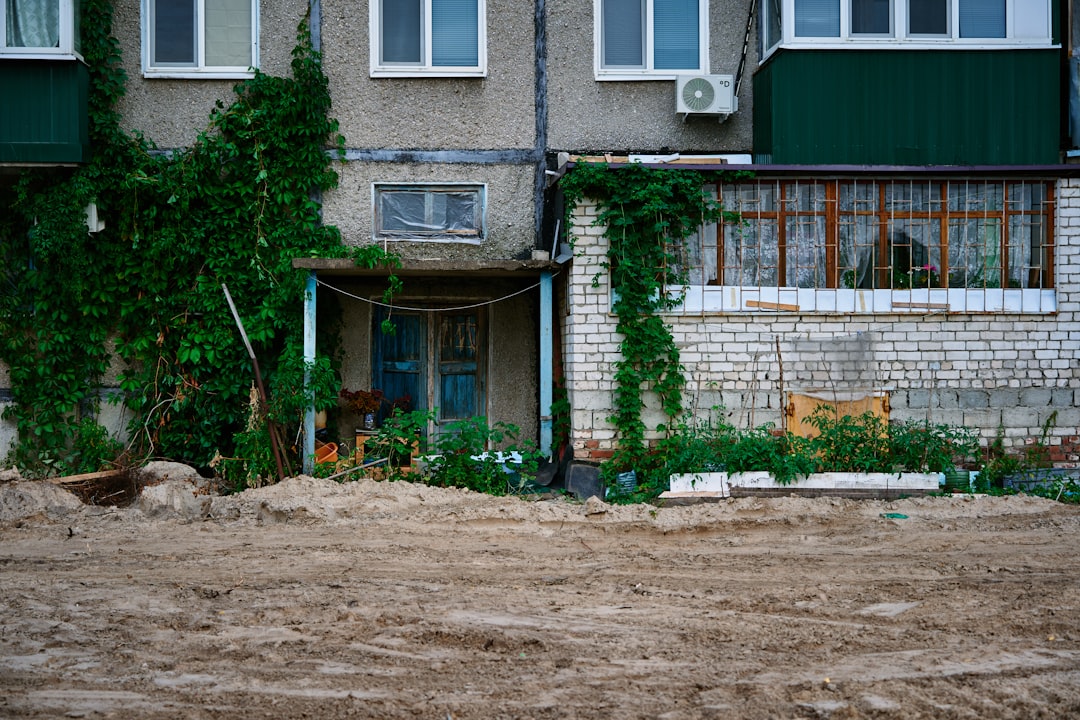
Edmonton homeowners face severe property loss as residential infill excavations trigger massive soil erosion on neighbouring lands. Recently, heavy rain turned an un-shored west-end construction site into a deep, muddy pool. This active excavation caused adjacent yards to collapse. Affected residents now demand immediate structural interventions and stronger municipal oversight. You will learn about the risks of Edmonton infill excavation damage. We also examine how local authorities plan to address these structural failures.
- Inadequate shoring at Edmonton infill sites is causing severe backyard erosion for adjacent homeowners.
- Recent heavy rainfall has exacerbated soil instability, turning active excavation sites into hazardous pools.
- Impacted residents are calling for stricter municipal enforcement of safety codes and builder accountability.
- Unresolved excavation disputes lead to high legal costs and significant declines in neighbouring property values.
Why is infill development causing severe backyard erosion?
The push for urban density in Alberta has accelerated infill housing projects. However, rapid construction often outpaces regulatory enforcement. Many older neighbourhoods feature narrow lots and delicate soil conditions. Consequently, deep excavations require precise engineering to protect adjacent properties.
When builders delay installing proper shoring walls, nearby land quickly destabilises. This issue has recently escalated across Edmonton’s mature communities. Property owners report watching their fences and lawns slide into open pits. The lack of immediate retaining structures leaves neighbouring foundations highly vulnerable.
Soil stability depends heavily on immediate lateral support during deep digging. Without proper shoring, the surrounding earth naturally shifts toward the open pit. Rainfall worsens this structural vulnerability. Water saturates the clay-rich soil, increasing its weight and reducing cohesion.
How does severe weather compound construction site hazards?
Climate patterns in Alberta are bringing more intense, sudden rainstorms. These weather events present severe challenges for active construction sites. When a storm hits an open, un-shored excavation, the pit acts like a retention pond. Water pools rapidly, eroding the vertical clay walls.
This pooling water liquefies the supporting soil beneath adjacent properties. The resulting mudslides pull down heavy structures like garages and patios. Homeowners must watch helplessly as their land vanishes overnight. Without quick intervention, the damage can spread to the primary home foundation.
Furthermore, standing water in excavations creates long-term structural risks. It weakens the overall bearing capacity of the local soil. Even after the water is pumped out, the ground remains unstable. This instability complicates future rebuilding efforts for both parties.
What regulations govern Edmonton infill excavation damage?
The municipal government mandates strict safety protocols for residential infill projects. Developers must secure permits and follow specific engineering guidelines. According to the City of Edmonton municipal development standards, builders must protect adjacent properties from damage. Inspectors can issue stop-work orders when sites violate safety codes.
However, residents argue that current enforcement measures remain too slow. By the time inspectors arrive, significant land damage has often already occurred. Municipal oversight must become more proactive to prevent these disasters. Currently, the burden of proof often falls on the victimized homeowner.
Furthermore, provincial building codes require adequate temporary support during excavation. Despite these rules, some contractors cut corners to save time and money. This negligence directly threatens the safety of neighbouring residents. Stronger penalties are necessary to ensure industry compliance.
What are the financial and legal consequences for neighbours?
Repairing eroded land is exceptionally costly for affected property owners. Standard home insurance policies often exclude damage caused by earth movement or construction negligence. Consequently, homeowners must pay out of pocket for emergency stabilization. These unexpected expenses can easily reach tens of thousands of dollars.
To recover these costs, homeowners must pursue expensive civil litigation against developers. These legal battles can take years to resolve in provincial courts. Meanwhile, property values in affected areas face downward pressure due to safety concerns. Neighbours also experience immense emotional stress watching their properties wash away.
In addition, unresolved disputes can stall construction for months. This leaves unsightly, dangerous pits open in mature neighbourhoods. The surrounding community suffers from decreased aesthetic appeal and safety hazards. Clearly, the current system fails to protect innocent property owners.
How can the construction industry prevent future soil failures?
Industry experts advocate for mandatory pre-excavation assessments on all narrow lots. Geotechnical engineers should approve shoring plans before any digging begins. Furthermore, municipal agencies must increase the frequency of active site inspections. Stricter financial penalties would also deter negligent building practices.
Developers must prioritize safety over speed when working in tight urban spaces. Installing temporary steel piles or wood lagging can prevent soil movement. These proactive measures protect both the project and the surrounding community. Investing in proper shoring ultimately saves money by avoiding liability claims.
Ultimately, stronger collaboration between developers and neighbours ensures safer urban densification. Proactive enforcement remains the best defence against costly property destruction. Homeowners deserve peace of mind while their neighbourhoods evolve and grow.


