
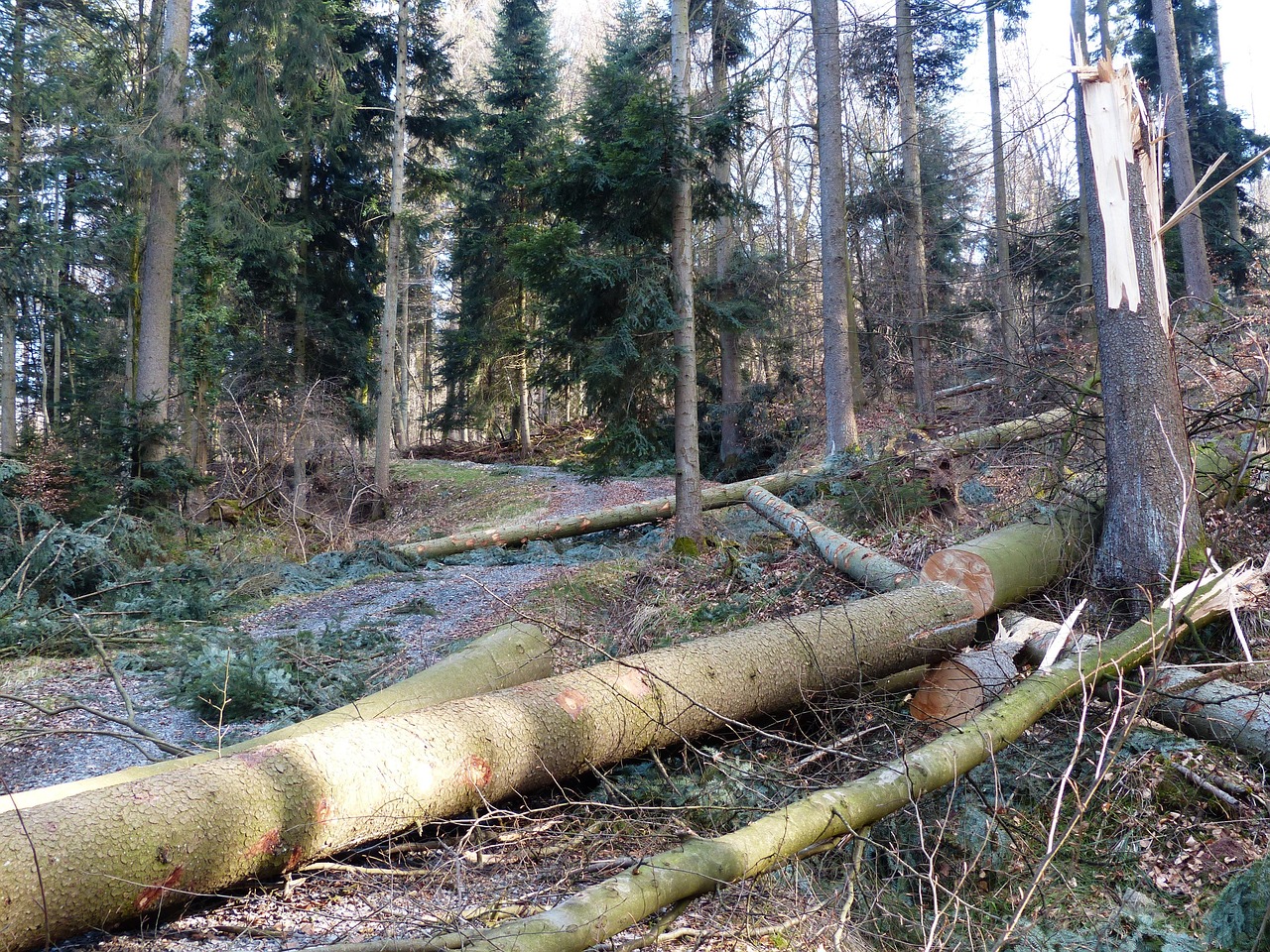
A sudden, violent thunderstorm recently swept through Alberta’s Lakeland Provincial Recreation Area, trapping a local family overnight near Seibert Lake. The severe weather system blocked the only access road with fallen trees and debris, leaving the family stranded in zero-visibility conditions. Emergency responders launched a coordinated rescue effort to clear the path and ensure the family’s safe return. In this article, you will learn about the critical timeline of this Seibert Lake severe storm rescue, the rising frequency of extreme weather events in northern Alberta, and essential survival strategies for remote travellers.
- A severe thunderstorm trapped a family overnight near Seibert Lake in Alberta’s Lakeland Provincial Recreation Area.
- Fallen trees and zero-visibility conditions completely blocked the primary access road, preventing immediate evacuation.
- Emergency crews worked through hazardous conditions to clear debris and safely rescue the stranded motorists.
- The incident highlights the growing need for robust emergency preparedness during unpredictable northern Alberta storm seasons.
Why Did the Seibert Lake Storm Escalate So Rapidly?
The Lakeland region in northern Alberta is known for its dense forests and volatile summer weather patterns. Recently, a powerful cold front collided with warm, humid air across the province. This collision triggered rapid supercell development directly over the backcountry.
Within minutes, torrential rains and high winds battered the Seibert Lake area. The storm quickly uprooted mature spruce and pine trees. Consequently, these falling giants blocked the remote gravel roads that serve as vital lifelines for campers.
The stranded family reported a total loss of visibility during the peak of the tempest. They had no choice but to shelter inside their vehicle as the storm raged around them.
How Did Emergency Crews Navigate the Blocked Access Roads?
Local emergency services faced immediate logistical hurdles due to the sheer volume of debris. Heavy equipment was required to cut through massive fallen trunks blockading the trails.
Furthermore, unstable weather conditions delayed the initial deployment of aerial search teams. Ground crews had to rely on chainsaws and manual labour to forge a path forward.
Responders worked tirelessly through the night to reach the isolated location. Their primary objective remained clearing a safe corridor for emergency vehicles. Fortunately, the family maintained intermittent communication with dispatchers, which aided the rescue coordination immensely.
What Immediate Steps Should Stranded Motorists Take?
If you find yourself trapped by fallen debris, prioritize self-preservation. First, notify local authorities of your exact coordinates immediately.
Use a satellite device if cellular signals fail. Second, remain inside your vehicle to avoid falling branches or active lightning strikes.
Do not attempt to clear heavy logs without proper equipment. Finally, conserve your vehicle’s fuel and battery power. Run the engine periodically for heat, but ensure the exhaust pipe remains clear of debris.
What Are the Best Safety Protocols for Backcountry Storms?
Surviving an unexpected severe weather event in remote areas requires immediate, strategic action. Experts advise staying inside a metal-topped vehicle during high winds and lightning.
Veholes offer superior protection compared to tents or temporary canvas shelters. According to safety guidelines from the Alberta Emergency Management Agency, travellers should always carry a physical map and a fully charged satellite communicator.
Cellular service remains notoriously unreliable across northern recreation areas. Additionally, keeping an emergency kit with seventy-two hours of food and water is vital. This preparation ensures survival if rescue teams face prolonged clearing delays.
How Are Changing Weather Patterns Affecting Alberta Parks?
Meteorologists note that extreme weather events are becoming more intense across Western Canada. Warmer atmospheric conditions hold more moisture, which fuels stronger convective storms.
Park wardens have reported an increase in localized windstorms that cause widespread blowdowns. These events pose severe risks to outdoor recreationists and strain local emergency resources.
“The intensity of these localized microbursts is unprecedented,” remarked one regional safety coordinator during a recent briefing on provincial park safety. “We are seeing entire stands of timber flattened in minutes.” This trend requires park management to continuously update their evacuation protocols.
What Does This Mean for Future Backcountry Travel?
This dramatic rescue serves as a stark reminder of nature’s unpredictable power. Outdoor enthusiasts must adapt to these rapidly shifting environmental conditions.
Checking real-time weather alerts before departing is no longer optional; it is a critical safety step. As municipalities review their emergency response strategies, individual preparedness remains the first line of defence.
By respecting weather warnings and preparing for the unexpected, adventurers can continue to enjoy Alberta’s stunning wilderness safely. Staying informed and equipped ensures that a sudden storm does not turn into an avoidable tragedy.


