
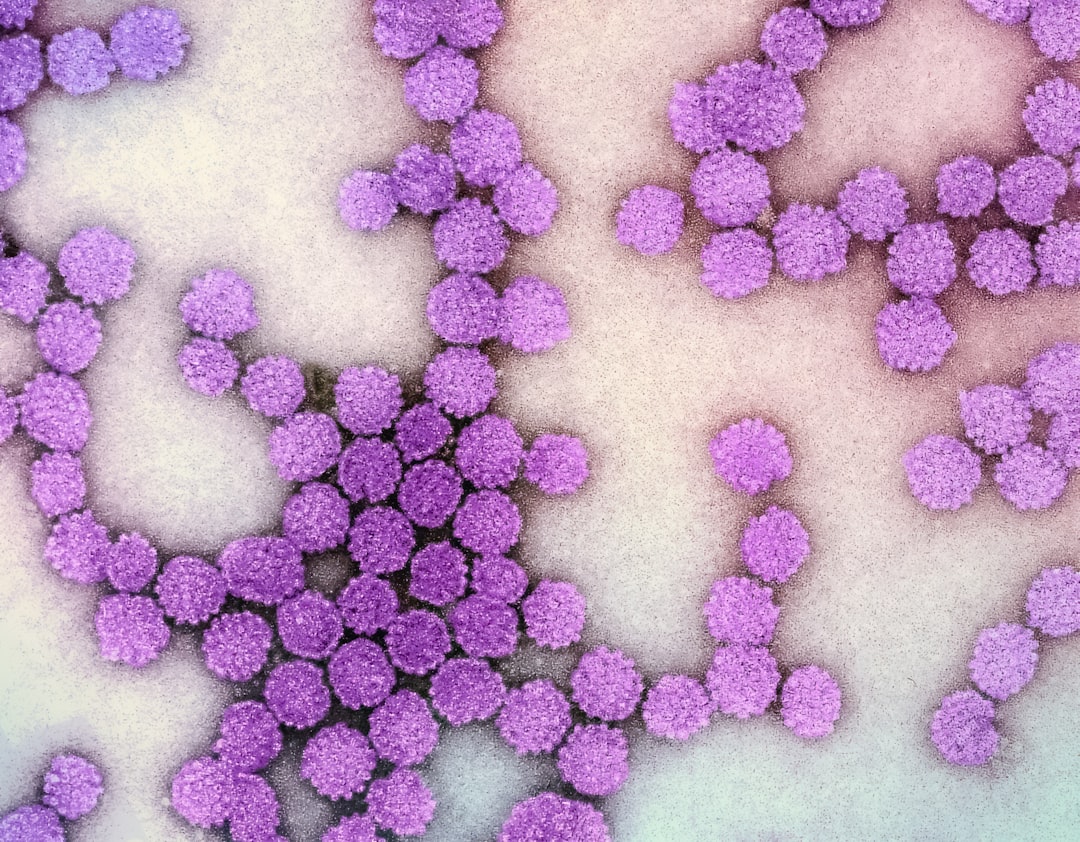
Stanford University researchers recently developed the world’s first AI-designed virus to target and destroy Escherichia coli bacteria. Using a generative AI model named EVO 2, scientists bypassed traditional biological constraints to synthesize a custom bacteriophage. This breakthrough signals a paradigm shift in how medicine combats antibiotic-resistant pathogens. Readers will learn how this digital design process works, its clinical implications, and the safety guardrails surrounding synthetic biology.
- Stanford University researchers synthesized the first functional, AI-designed virus using the EVO 2 generative model.
- The custom-built bacteriophage specifically targets and neutralizes harmful strains of E. coli bacteria.
- This innovation offers a promising alternative to traditional antibiotics amid rising global antimicrobial resistance.
- The breakthrough highlights the critical need for robust biosecurity frameworks as synthetic biology accelerates.
For decades, the rise of superbugs has threatened global healthcare systems. Traditional drug discovery methods struggle to keep pace with rapidly mutating bacteria. Consequently, researchers have turned to bacteriophages. These are viruses that naturally infect and kill bacteria.
However, modifying these natural predators has historically required years of tedious laboratory labour. Recently, advanced machine learning models have revolutionized this timeline. By treating genomic sequences like language, generative artificial intelligence can now draft entirely new biological blueprints in seconds.
This technological leap set the stage for the historic Stanford project. It demonstrates that algorithms can successfully design viable, living organisms from scratch.
How does the EVO 2 model design a functional virus?
The EVO 2 model operates similarly to large language models that generate text. Instead of words, however, the system analyzes billions of genomic sequences. Through this deep learning process, the AI learned the complex rules of biological life.
This neural network analyzes genomic patterns across millions of organisms. Consequently, it understands how DNA sequences translate into physical viral structures. This capability allows the AI to bypass millions of years of natural evolution.
The model then wrote functional viral DNA from scratch. Once the model generated the digital blueprint, the Stanford team synthesized the physical DNA in their laboratory. They then introduced this synthetic genome into host cells to assemble the active virus.
Remarkably, the resulting AI-designed virus successfully targeted and eliminated E. coli cells. The synthetic organism achieved this without harming beneficial microbes. This level of precision is virtually impossible with traditional chemical treatments.
Why is this a breakthrough for modern medicine?
Antibiotic resistance remains one of the most pressing public health crises of our era. According to data from the World Health Organization global surveillance systems, drug-resistant infections present an escalating threat. This new AI-driven approach offers a highly customizable weapon to combat this growing danger.
Traditional drug development is incredibly slow and expensive. Pharmaceutical companies often spend billions of dollars over several years to develop a single antibiotic. In contrast, algorithmic design costs a fraction of those resources.
Unlike broad-spectrum antibiotics, these tailored viruses act as precision guided missiles. They selectively destroy pathogenic bacteria. Crucially, they leave the patient’s healthy microbiome intact.
Furthermore, scientists can rapidly reprogram the AI to counter new bacterial mutations. This agility allows researchers to design new treatments in days rather than decades. It represents a massive shift in therapeutic speed.
What are the safety and ethical implications of synthetic biology?
While the therapeutic potential is immense, the creation of synthetic life raises valid biosecurity concerns. Experts warn that the same technology used to cure diseases could theoretically be misused. Therefore, establishing international guardrails for generative biology is an urgent priority.
Governments must collaborate with technology companies to build secure guardrails. For instance, cloud synthesis providers must verify all DNA orders. This step ensures that malicious actors cannot order dangerous viral sequences.
The Stanford team emphasized that their research was conducted under strict laboratory containment protocols. Additionally, modern biosecurity screening must evolve. Systems must quickly detect unauthorized synthesis of AI-generated genetic sequences.
Ensuring that these powerful digital tools remain in responsible hands is vital for public safety. Regulatory bodies are currently evaluating new frameworks to monitor synthetic DNA orders globally.
How will custom-designed pathogens reshape clinical treatment?
Moving forward, this technology could pave the way for highly personalized medicine. Clinicians may soon sequence a patient’s specific infection. They can then generate a bespoke viral treatment within hours.
Additionally, this methodology could reduce global reliance on agricultural antibiotics. Farmers could use targeted phages to protect livestock from infections. This shift would prevent drug residues from entering the human food supply.
This rapid turnaround would drastically reduce mortality rates associated with severe sepsis. Furthermore, the methodology extends far beyond treating E. coli. Researchers hope to adapt the EVO 2 framework to target other lethal pathogens.
These pathogens include drug-resistant tuberculosis and MRSA. This milestone represents the dawn of an era where medicine is programmed rather than discovered. Ultimately, the fusion of AI and biology will redefine human resilience against infectious diseases.


