
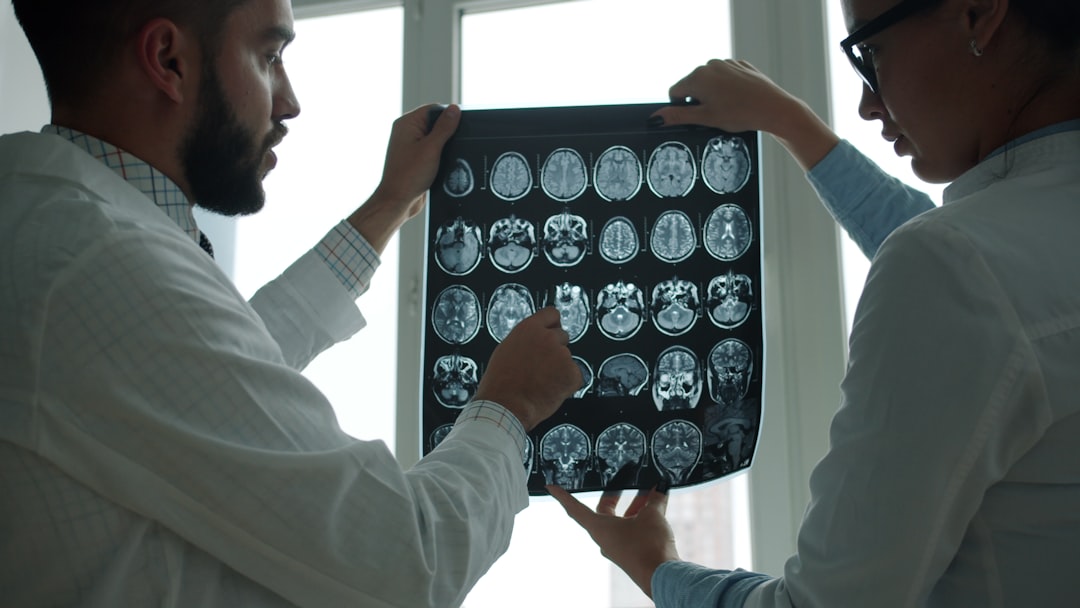
Television personality Joe Amabile, widely known from The Bachelorette, has successfully undergone surgery to remove an early-stage brain tumour. The reality star recently shared his health journey publicly, sparking widespread conversations about preventative healthcare. Readers will learn about Amabile’s diagnosis, his surgical recovery, and the growing debate surrounding elective full-body MRI scans.
- Former Bachelorette star Joe Amabile underwent surgery following an early-stage brain tumour diagnosis.
- The tumour was initially detected during a proactive, elective full-body MRI scan.
- Amabile’s public health journey has amplified discussions regarding preventative medical screenings.
- Experts remain divided on the widespread clinical utility of elective imaging for asymptomatic patients.
How did Joe Amabile discover his brain tumour?
Amabile opted for a preventative full-body MRI scan despite experiencing no major symptoms. During this elective procedure, specialists identified a small, early-stage growth in his head. This unexpected discovery prompted immediate medical consultations.
Following the discovery, medical experts recommended swift surgical intervention. This approach aimed to prevent further complications or potential growth. Amabile kept his followers updated, emphasizing the sudden nature of the diagnosis.
The surgery was completed successfully, marking a major milestone in his recovery. Amabile expressed deep gratitude for the medical team that guided him through the process. His openness has resonated deeply with fans worldwide.
What are the medical perspectives on elective full-body MRIs?
The rise of elective screening has polarized the medical community. Proponents argue that early detection saves lives by identifying asymptomatic conditions. They believe proactive scans empower patients to take control of their health.
Conversely, some clinicians warn against potential overdiagnosis and unnecessary anxiety. These scans sometimes reveal benign anomalies that require no treatment. Consequently, patients may undergo stressful, unnecessary secondary testing.
The Health Canada regulatory guidelines emphasize that diagnostic imaging should be clinically justified to minimize false positives. Doctors generally recommend discussing personal risk factors before booking private scans. This ensures patients make informed decisions based on evidence.
How are fans and public figures reacting to the news?
Amabile’s announcement triggered an outpouring of support from the entertainment industry. Former co-stars and fans shared messages of encouragement across social media platforms. This collective response highlighted the strong community built around the franchise.
Many commentators praised his decision to speak openly about his health. By sharing his vulnerability, Amabile helped demystify complex medical procedures. His journey has normalized conversations about brain health and surgical recovery.
Additionally, search interest in preventative imaging has surged significantly. Public interest often spikes when prominent figures share personal health challenges. This phenomenon frequently leads to increased clinic inquiries.
What does the recovery process look like after brain surgery?
Post-operative care for brain tumour removal requires careful monitoring. Patients typically spend several days in specialized recovery units. Medical teams assess neurological function and manage pain levels closely.
Physical therapy and cognitive exercises often play a role in rehabilitation. The duration of recovery varies depending on the tumour’s size and location. Fortunately, early-stage interventions generally yield highly positive long-term outcomes.
Amabile is expected to take a temporary hiatus from his public commitments. This break will allow him to focus entirely on rest and healing. Supporters continue to wish him a swift and complete return to health.
What are the long-term implications for preventative healthcare?
This high-profile case highlights the shifting landscape of consumer-driven healthcare. More individuals are seeking private imaging services to monitor their health proactively. This trend reflects a broader cultural shift toward wellness and prevention.
However, accessibility remains a significant challenge for many people. Elective scans are often expensive and not covered by public insurance. This reality raises important questions about healthcare equity and resource allocation.
Ultimately, Amabile’s transparency encourages open dialogue about personal health advocacy. His recovery journey serves as a powerful reminder of how rapid technological advances reshape patient care. As he heals, the conversation around early detection continues to evolve organically.


