
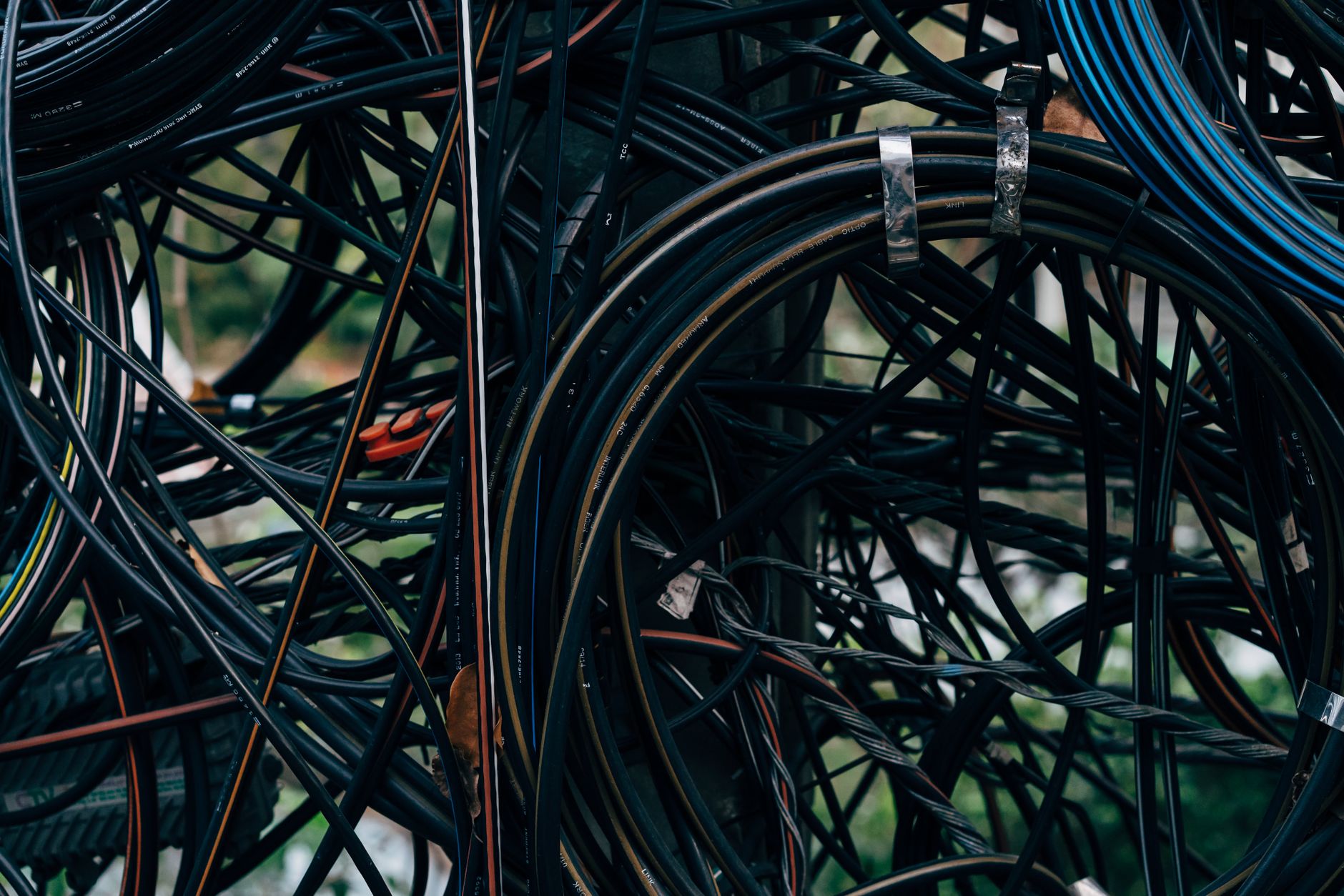
A major Calgary internet service outage recently disrupted thousands of local households and businesses. The disruption followed an attempted copper wire theft that damaged critical telecommunications infrastructure. Rogers Communications confirmed the early morning incident. They highlighted a troubling rise in vandalism targeting utility networks across Western Canada. This article explores how infrastructure physical security is evolving to protect critical communication lines. Readers will learn about the systemic impacts of utility theft and the steps being taken to secure local networks.
- An early morning attempted copper theft caused a widespread Rogers internet outage in Calgary.
- Telecommunications providers report a sharp rise in physical vandalism targeting critical network infrastructure.
- Industry experts are calling for stricter penalties and enhanced security measures to protect utility lines.
The incident occurred just before 3:00 a.m., plunging residential and commercial areas into sudden offline status. Repair crews rushed to the scene to splice severed lines and restore connectivity.
Historically, copper theft has plagued various industrial sectors. However, the targeting of active telecommunications lines represents an escalating threat.
Recently, Canadian telecom operators have faced increasing service disruptions due to deliberate physical damage. This trend has raised significant concerns among emergency service coordinators and local business owners.
In recent quarters, utility providers have recorded dozens of similar vandalism attempts across the province. These acts of sabotage threaten the stability of the entire regional network.
How Does Copper Theft Impact Calgary’s Digital Infrastructure?
When vandals cut utility lines, they often mistake high-value fibre-optic cables for traditional copper wires. This mistake leads to massive service disruptions without any financial gain for the thieves.
For local businesses, a sudden Calgary internet service outage halts digital transactions and disrupts remote workforces. Furthermore, these outages can compromise access to emergency services like 911.
Consequently, a single act of vandalism can disconnect entire neighbourhoods for several hours. Repairing these networks requires highly specialized technicians to manually splice delicate glass fibres.
During these outages, local merchants lose valuable retail sales. Electronic payment terminals fail, forcing businesses to operate on a cash-only basis.
Many small business owners express deep frustration over these preventable disruptions. They rely heavily on uninterrupted cloud connectivity to manage daily inventory and customer communications.
Why Are Critical Utility Networks Facing Increased Vandalism?
Industry analysts point to rising global metal prices as a primary driver for scrap metal theft. However, the damage caused to public infrastructure far outweighs the black-market value of the stolen material.
Rogers Communications noted that this event is part of a broader, troubling trend across Canada. According to reports from the Canadian Radio-television and Telecommunications Commission, telecommunications reliability remains a top priority.
Additionally, local law enforcement agencies have increased patrols around vulnerable utility hubs. Collaborative efforts between telecoms and police aim to track down illegal metal recycling operations.
Security experts suggest that organized crime rings are increasingly targeting these unmonitored utility corridors. These groups exploit remote locations to extract valuable metals quickly.
Consequently, utility companies must now treat physical security with the same urgency as cybersecurity. Protecting physical assets has become vital for maintaining consumer trust.
What Measures Are Being Taken to Protect Local Networks?
To combat this growing threat, telecommunications providers are investing heavily in physical security upgrades. These measures include installing advanced surveillance cameras and real-time intrusion detection systems.
Furthermore, some companies are migrating legacy copper systems to fibre-optic cables. Fibre-optic technology holds no scrap metal value, which naturally deters copper thieves.
Additionally, industry groups are lobbying for stricter provincial regulations on scrap metal dealers. They argue that tighter sales tracking will make selling stolen materials nearly impossible.
New provincial frameworks may soon require mandatory identification for all high-volume metal sellers. This policy would significantly reduce the avenues for laundering stolen copper.
In the meantime, service providers are reinforcing physical enclosures with heavy-duty concrete and steel barriers. These physical reinforcements make unauthorized access incredibly difficult and time-consuming.
Ultimately, safeguarding digital infrastructure requires a coordinated response from service providers, law enforcement, and local communities. Residents can play a vital role by reporting suspicious activity near utility boxes immediately. By securing these vital communication pathways, Calgary can build a more resilient digital economy.


