
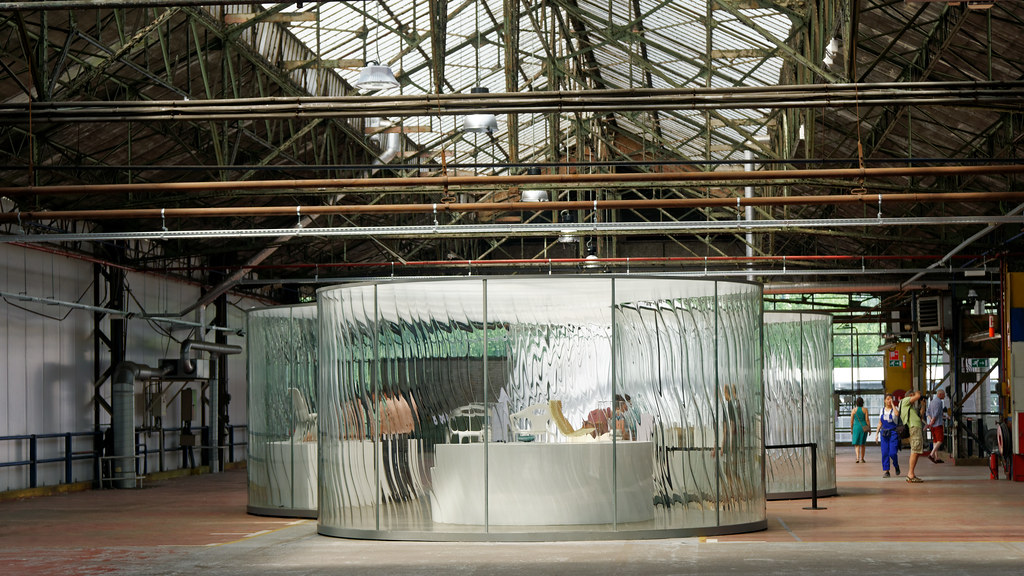
A major milestone has brought the ArtsCommon 118 creative hub closer to reality in Edmonton. The project recently secured vital land in the historic Alberta Avenue neighbourhood.
This multi-use facility will merge affordable housing with collaborative workspaces for local creatives. Readers will learn how this development addresses the critical shortage of creative spaces and shapes urban revitalization.
- The ArtsCommon 118 project secured essential land in Edmonton’s Alberta Avenue.
- This development combines affordable live-work spaces, performance venues, and studios.
- The initiative aims to prevent creative displacement in gentrifying urban areas.
Understanding the Alberta Avenue Arts Scene
Alberta Avenue has long served as a vibrant cultural corridor in Edmonton. The district regularly hosts diverse community festivals, local galleries, and independent theatre productions. However, rising living costs have forced many local artists to relocate in recent years.
In response, community advocates designed this hub to secure permanent, affordable spaces. Advocates spent years planning a sustainable solution to combat displacement. The recent land acquisition marks a crucial step forward for the entire initiative.
This acquisition ensures the project has a physical foundation. Supporters believe this milestone will inspire further investment from private donors and public programs. It establishes a permanent foothold for the arts in a rapidly changing market.
How does the project support local artists?
The project offers a unique live-work model tailored to creative needs. Consequently, artists can reside and create within the same building. This integration reduces daily commute times and significantly lowers monthly overhead costs.
Additionally, dedicated galleries and performance spaces will showcase local talent to the public. These shared spaces encourage collaborative projects across different artistic disciplines. Painters, musicians, and writers can share resources and exchange ideas daily.
Furthermore, the facility will provide access to specialized equipment. Shared digital suites, darkrooms, and kilns will be available to residents. This access lowers the barrier to entry for emerging creators who lack personal studios.
Why is community-led infrastructure vital for urban growth?
Traditional urban developments often overlook the needs of marginalized creative communities. By securing land permanently, the hub protects artists from market volatility. It ensures that rising property values do not price out the original cultural creators.
Municipal frameworks from the City of Edmonton highlight how arts foster neighbourhood revitalization. Safe, affordable spaces foster long-term community resilience and economic diversity. They turn neglected urban areas into thriving social centers.
Moreover, community-led projects empower local residents to make decisions. Decisions about zoning, design, and programming remain in community hands. This approach fosters a deep sense of ownership and pride among neighbours.
What are the broader economic implications for Alberta Avenue?
The creative hub will likely stimulate the local economy in several ways. New performance venues attract steady foot traffic to nearby businesses. Restaurants, cafes, and retail shops benefit directly from increased visitor numbers.
Furthermore, it establishes Alberta Avenue as a premier cultural destination. This positive reputation encourages further public and private investments in the district. It creates a self-sustaining cycle of economic growth and cultural preservation.
Over time, this economic stability benefits all residents, not just artists. Upgraded public spaces and improved infrastructure enhance the overall quality of life. The hub acts as an anchor for holistic community development.
What architectural innovations will the hub feature?
The architectural design focuses heavily on environmental sustainability and accessibility. Builders plan to use energy-efficient materials to minimize the carbon footprint. Solar panels and green roof technologies will help lower utility costs for residents.
Furthermore, the layout prioritizes universal accessibility throughout the entire structure. Wide hallways, ramp access, and adaptable living units ensure inclusivity. Artists of all physical abilities can navigate the spaces without barriers.
The exterior will also feature public art installations and green spaces. These outdoor areas will serve as informal gathering spots for the public. They bridge the gap between the private residential spaces and the surrounding neighbourhood.
How do collaborative partnerships drive the project forward?
Success relies heavily on strong partnerships between non-profit groups and local government. Collaborative funding models combine municipal grants with private philanthropic donations. This diverse financial backing ensures the project remains resilient against economic downturns.
Additionally, local educational institutions plan to partner with the hub. Students will gain access to mentorship programs and hands-on workshop opportunities. This connection creates a direct pipeline for young talent entering the creative industry.
Community leagues also play an active role in shaping the programming. Weekly town halls allow residents to voice their ideas and concerns. This collaborative spirit ensures the hub remains deeply integrated into the local fabric.
How does this model impact other Canadian cities?
The project serves as a blueprint for other Canadian municipalities facing similar challenges. Cities like Vancouver and Toronto struggle constantly with creative displacement. This community land trust model offers a practical, replicable solution.
It demonstrates how non-profit organizations can successfully acquire and manage urban real estate. By removing land from the speculative market, communities protect their cultural assets. This strategy ensures long-term affordability for future generations.
Ultimately, the hub ensures that artists remain at the heart of the neighbourhood they helped build. This successful acquisition proves that grassroots advocacy can achieve tangible, lasting results.


