
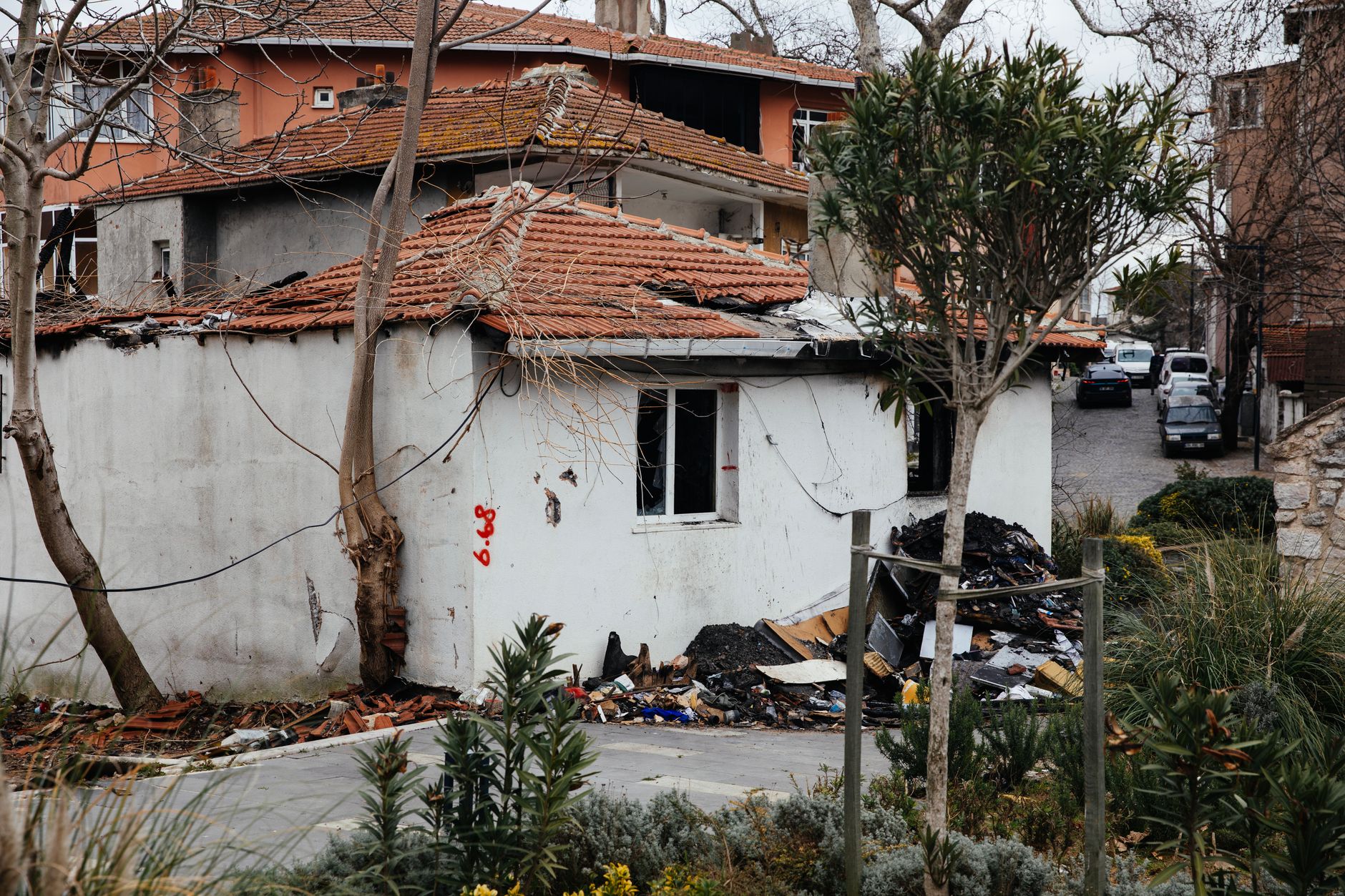
A sudden fire at a Sherwood Park problem property has intensified community demands for urgent municipal intervention. Fire investigators recently arrived at the suburban home following months of escalating neighbourhood complaints. Local residents report feeling terrorized by the tenants, raising serious safety concerns. This report examines the incident details, the property history, and municipal safety protocols.
- A fire at a controversial Sherwood Park residence has sparked fresh safety fears among local homeowners.
- Neighbours report a history of chronic disturbances, describing their living situation as highly stressful and unsafe.
- The incident highlights ongoing challenges in enforcing municipal bylaws on designated problem properties.
- Legal experts emphasize the importance of provincial legislation in resolving systemic residential issues.
What Is the History Behind the Sherwood Park Property?
The suburban residence in Strathcona County has been a source of conflict for many months. Neighbours describe a pattern of disruptive behaviour that severely damaged their quality of life.
According to local accounts, the property attracted frequent police visits and emergency responses. Residents repeatedly voiced concerns to municipal officials regarding safety hazards.
Despite these warnings, the situation remained unresolved until the recent fire occurred. Fire crews arrived on scene to find active flames, prompting an immediate evacuation of nearby homes.
Fortunately, emergency responders contained the blaze before it spread to adjacent structures. However, the emotional toll on the community remains incredibly high.
How Do Municipalities Define and Manage Problem Properties?
Municipalities often struggle to balance property owner rights with public safety. A property is typically designated as a problem site after receiving multiple complaints.
These complaints usually involve building code violations, excessive noise, or suspected criminal activity. Local bylaws provide the primary framework for addressing these issues.
However, municipal officers face significant hurdles when enforcing compliance. Property owners frequently ignore warnings, leading to lengthy legal battles in provincial courts.
In Alberta, the provincial government utilizes the Safer Communities and Neighbourhoods Act to target chronically disruptive residences. This legislation empowers authorities to investigate properties and evict problematic tenants safely.
The law specifically targets properties used for illegal activities. It offers a structured path for frustrated residents to reclaim their neighbourhoods.
What Legal Recourse Do Affected Neighbours Have?
Living near a problem property can cause immense psychological distress. Fortunately, residents have several avenues to seek assistance and demand action.
First, documenting every single infraction is absolutely critical. Detailed logs of noise, traffic, and property damage provide essential evidence for law enforcement.
Additionally, neighbours can band together to file joint complaints. Collective advocacy often forces municipal councils to expedite their investigations.
Furthermore, landlords can be held civilly liable for the actions of their tenants. If a landlord ignores ongoing illegal activity, they may face severe financial penalties.
In extreme cases, courts can issue injunctions to prevent specific individuals from entering the neighbourhood. These legal tools help restore peace to affected communities.
What Are the Wider Implications of Residential Fires?
Residential fires in high-density suburban areas present severe risks to public safety. Dry conditions and close proximity can cause flames to spread rapidly between homes.
Consequently, a single neglected property threatens the financial security of an entire street. Home insurance rates in the immediate area may also rise as a result.
Moreover, these incidents place an unnecessary burden on local emergency services. Firefighters must risk their lives to manage preventable hazards.
Community leaders are now calling for proactive measures to prevent similar situations. They suggest implementing mandatory landlord registries to ensure better accountability.
Such registries would allow municipalities to track problematic landlords more effectively. It would also simplify the process of issuing fines for non-compliance.
How Can Communities Prevent Future Incidents?
Preventing residential crises requires active cooperation between citizens and local government. Awareness and early reporting remain the most effective tools available.
Neighbourhood watch programs can help identify warning signs before situations escalate. These groups foster stronger relationships between residents and local police.
Additionally, municipal governments must streamline their complaint processes. Currently, navigating multiple bureaucratic departments can discourage residents from reporting issues.
A unified reporting system would ensure that complaints are addressed promptly. This approach would help prevent minor infractions from turning into major emergencies.
Ultimately, resolving the issue of problem properties requires continuous vigilance. By working together, communities can ensure that every resident feels safe in their home.


