
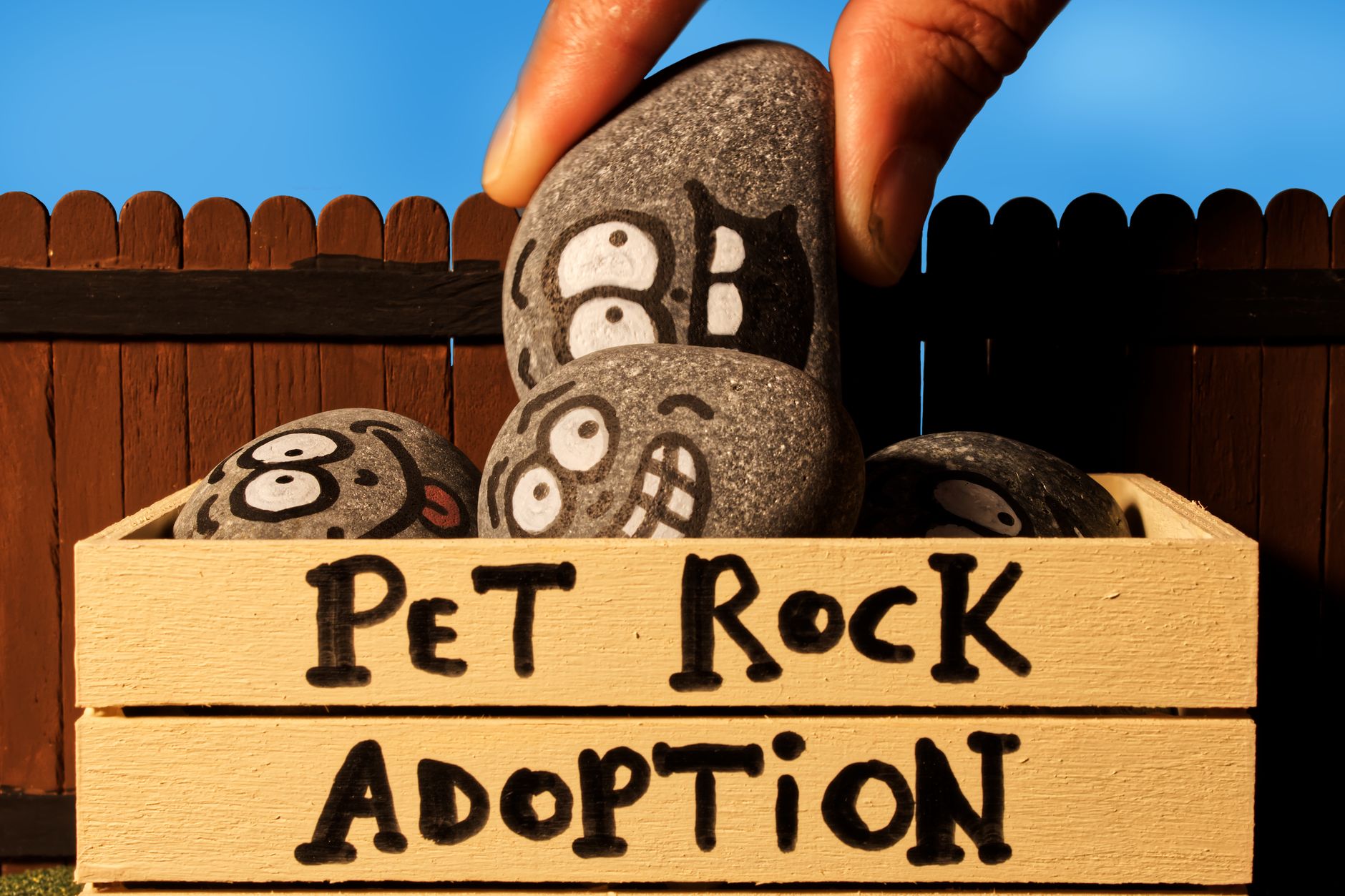
A classic 1970s novelty is making a massive, unexpected global comeback. From apartments in Seoul to Taylor Swift fandoms, the modern pet rock trend is capturing new generations. Originally conceived as a lighthearted joke by copywriter Gary Dahl, these inanimate companions now offer unique emotional comfort. This evolving movement demonstrates how a vintage marketing gimmick has transformed into a powerful wellness phenomenon.
- The classic 1970s Pet Rock has transformed into a modern global wellness trend.
- Young adults in South Korea are adopting decorated stones to combat extreme workplace burnout.
- Pop culture icons, including Taylor Swift fans, have integrated customized rocks into their collector communities.
- The phenomenon highlights a growing human desire for low-maintenance companionship in high-stress environments.
The Evolution of a Vintage Novelty
The original concept emerged in the mid-1970s as a humorous alternative to traditional pets. Creator Gary Dahl packaged simple stones with a witty training manual. The product became an instant, short-lived cultural sensation.
Decades later, the concept has undergone a dramatic shift in purpose. It is no longer just a novelty gift. Instead, people are adopting these stones as genuine tools for daily stress relief.
This evolution reflects a broader shift in consumer behaviour. Modern buyers seek simplicity over complexity. Consequently, a basic river stone has become a symbol of peace.
Why are young professionals adopting inanimate pets?
Modern life presents intense psychological pressures, particularly for urban professionals. In South Korea, many workers face demanding, long office hours. Consequently, decorated stones have emerged as silent, stress-free companions.
Unlike dogs or cats, these items require absolutely no physical care. They do not need food, walks, or expensive veterinary visits. Therefore, they offer unconditional presence without any added anxiety.
Many owners report feeling a sense of calm just by looking at their stones. This practice serves as a form of mindfulness. It allows busy individuals to slow down and breathe.
Furthermore, these objects do not demand emotional energy. In a world of constant digital notifications, silence is incredibly valuable. A quiet stone provides a perfect, undemanding listener.
How has pop culture fueled the modern pet rock trend?
Global fanbases have also embraced this quirky movement. For instance, Taylor Swift enthusiasts frequently customize small stones to match specific album aesthetics. These items are shared widely across social media platforms.
This viral sharing has introduced the concept to millions of teenagers. Consequently, the trend has shifted from corporate offices to global digital communities. It has become a creative outlet for self-expression.
Online communities now host virtual beauty pageants for these stones. Users vote on the best outfits and painted faces. This interactive element keeps the community highly engaged.
Additionally, collectors trade these items at fan conventions. This practice has turned a solitary hobby into a highly social experience. It connects people across different continents.
Analyzing the Sociological Impact
Sociological observations indicate that this behaviour reflects deeper societal shifts. Many individuals experience profound isolation in dense urban centres.
According to analyses published by the Harvard Business Review, low-cost emotional substitutes often spike during stressful periods. These simple products fill a psychological gap for lonely consumers.
Furthermore, owners often treat their stones with genuine affection. They dress them in tiny custom outfits. Some even build elaborate miniature bedrooms for their mineral companions.
Psychologists suggest this behaviour is a healthy coping mechanism. It allows individuals to project their nurturing instincts safely. It provides comfort without the risk of loss or rejection.
What does this mean for the future of companionship?
This phenomenon suggests a permanent shift in how people view companionship. Traditional pet ownership is becoming increasingly difficult due to rising living costs.
As rental spaces shrink, low-maintenance alternatives will likely grow in popularity. The humble stone has proven that comfort does not require a heartbeat.
Moreover, businesses are noticing this shift. Companies now sell specialized accessories, including tiny sleeping bags and hats. This micro-economy is expected to expand.
Ultimately, this movement teaches us that comfort can be found in the simplest places. Whether for emotional support or creative expression, these quiet companions are here to stay.


