
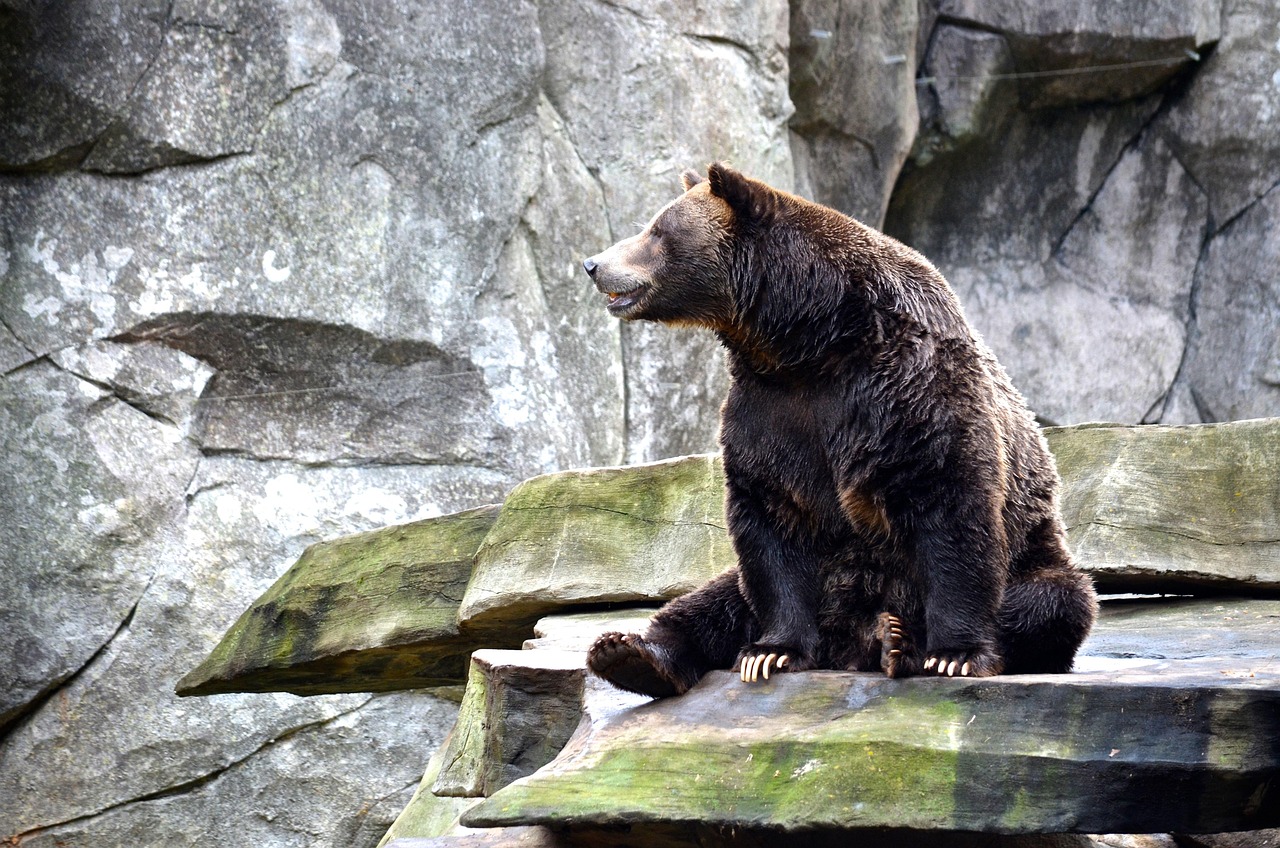
A young grizzly bear named Fitz briefly escaped his enclosure at the Wilder Institute/Calgary Zoo on Sunday morning.
This incident prompted immediate emergency safety protocols.
Zoo officials confirmed the containment breach was resolved quickly.
There were no injuries to the animal, staff, or the public.
This unexpected Calgary Zoo grizzly bear escape has raised critical questions regarding wildlife containment standards.
You will learn about the details of the escape, the response measures, and future habitat safety modifications.
- A yearling male grizzly bear named Fitz breached his primary enclosure at the Calgary Zoo.
- Zoo staff resolved the incident swiftly with no injuries reported to humans or the animal.
- The event highlights the rigorous safety protocols required by accredited wildlife facilities.
Context Behind the Calgary Zoo Grizzly Bear Escape
The Wilder Institute/Calgary Zoo has a long history of wildlife conservation.
The facility houses many sensitive and endangered species.
Grizzly bears require specialized habitats due to their strength and intelligence.
Fitz arrived at the zoo as part of an ongoing conservation and education program.
Young bears are highly active and curious animals.
Their natural behaviour includes exploring boundaries and testing structures.
This curiosity presents unique challenges for habitat designers.
Historically, the zoo has successfully managed large carnivores for decades.
This rare event marks a significant learning point for the institution.
How Did the Calgary Zoo Grizzly Bear Escape Occur?
The incident occurred during the early morning hours on Sunday.
Fitz, a one-year-old male grizzly bear, bypassed his primary enclosure barrier.
Zoo staff noticed the breach almost immediately.
They initiated emergency protocols to secure the perimeter.
The bear remained within an outer secondary containment zone.
This secondary barrier prevented the animal from accessing public pathways.
Consequently, the threat to public safety remained extremely low.
What Immediate Protocols Are Triggered During a Containment Breach?
Accredited facilities follow strict guidelines during animal escapes.
First, staff secure all visitors in designated safe zones.
Next, specialized veterinary and animal care teams deploy to the site.
These teams assess the animal’s behaviour and location.
In this case, responders used tranquilizers to safely sedate Fitz.
The sedation process occurred without any complications.
Staff then transported the young bear back to a secure holding facility.
The entire operation was completed within a very short timeframe.
How Do Accredited Zoos Ensure Habitat Security?
Modern wildlife facilities must adhere to rigorous safety standards.
These standards are governed by organizations like Canada’s Accredited Zoos and Aquariums.
Facilities undergo regular inspections to maintain their accreditation.
Inspectors evaluate fence heights, lock mechanisms, and structural integrity.
Additionally, zoos conduct regular emergency drills for staff.
These drills prepare teams for rare events like containment breaches.
The rapid resolution at the Calgary Zoo demonstrates the value of this training.
Expert Perspectives on Carnivore Containment
Wildlife biologists emphasize that young grizzly bears are incredibly resourceful.
They possess remarkable strength and problem-solving abilities.
According to industry experts, habitat designs must constantly evolve.
Static barriers may not always anticipate the ingenuity of a young predator.
Therefore, redundant safety systems are absolutely essential.
The presence of a secondary perimeter fence proved crucial in this scenario.
It acted as a reliable fail-safe during the breach.
This redundant system prevented the bear from entering public areas.
Many global facilities are now adopting similar multi-layered containment strategies.
What Are the Next Steps for the Wilder Institute?
Following the incident, the zoo launched a comprehensive internal review.
Experts are analyzing the enclosure to identify the exact point of failure.
They will implement structural modifications to prevent future occurrences.
Fitz will remain in a secure holding area during this investigation.
Veterinary staff will monitor his physical and psychological health closely.
The habitat will only reopen once safety inspectors approve the upgrades.
Implications for the Zoological Industry
This incident will likely influence future enclosure designs globally.
Zoos worldwide closely study containment breaches to update their own systems.
The data gathered from this event will inform engineering standards.
New materials and smarter latching systems may be developed.
Additionally, staff training programs will incorporate lessons learned here.
Enhanced surveillance technology could also play a larger role.
Real-time monitoring can alert staff before a breach actually occurs.
Ultimately, these advancements will create safer environments for everyone.
As the investigation continues, the focus remains on continuous improvement.
The swift response protected both the community and the young grizzly.
Moving forward, updated safety designs will ensure the zoo remains a safe haven for wildlife and visitors alike.


