
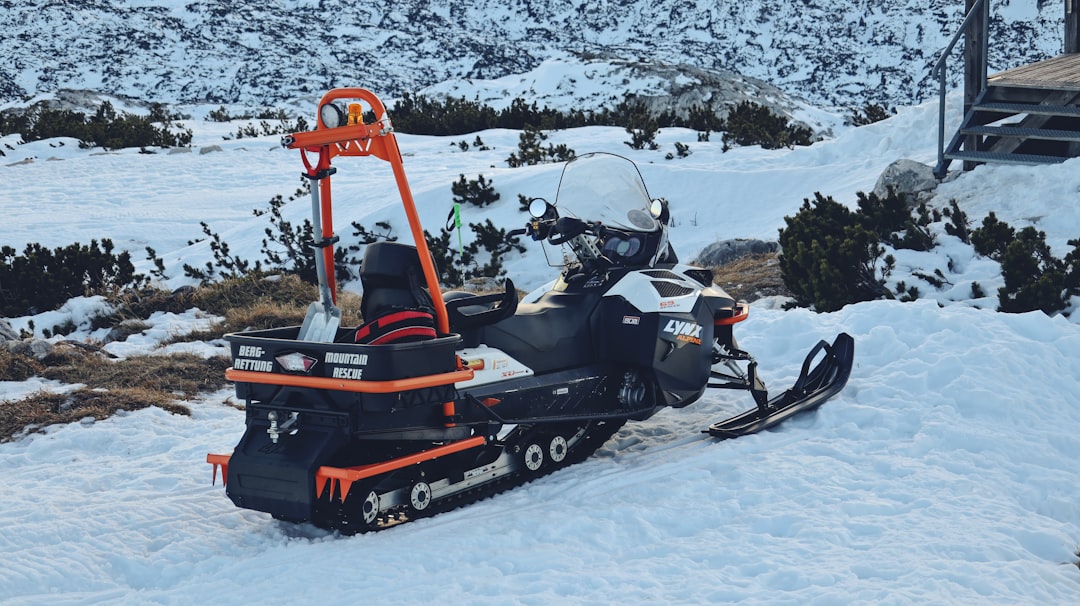
Royal Canadian Mounted Police (RCMP) officers are currently conducting an intensive search for a missing snowmobiler in northwestern B.C. who disappeared near the provincial boundary with the Yukon earlier this week. The individual, a resident of Whitehorse, was reported missing after failing to return from a planned excursion in the remote backcountry near Atlin, B.C., a region known for its challenging winter terrain and unpredictable weather. Search and rescue operations were mobilized immediately following the report, involving multiple agencies and specialized equipment to navigate the sub-arctic conditions.
Extensive Search Underway Near Atlin
The search efforts are concentrated in the vast wilderness surrounding Atlin, a small community located approximately 170 kilometres south of Whitehorse. Local Mounties have confirmed that the missing person was operating a snowmobile in the high-altitude areas that straddle the British Columbia-Yukon border. This specific corridor is a popular destination for winter recreation, yet it presents significant navigational challenges due to its dense forests and steep mountain passes.
Ground search and rescue (GSAR) teams from both jurisdictions have been deployed to the area, utilizing snowmobiles and tracked vehicles to cover the difficult terrain. Aerial support has also been requested, with helicopters scanning the landscape for any signs of the missing rider or their equipment. However, visibility remains a primary concern for pilots as shifting weather patterns and blowing snow frequently obscure the ground from the air.
Geographic Challenges and Backcountry Hazards
The geography of northwestern British Columbia is among the most rugged in North America, characterized by deep snowpacks and extreme temperature fluctuations. During the winter months, temperatures in the Atlin region can plummet well below -30 degrees Celsius, making survival for any stranded individual a race against time. The lack of reliable cellular service in these remote valleys further complicates rescue efforts, as missing persons are often unable to signal for help using conventional mobile devices.
Searchers are currently focusing on known trails and drainage basins where snowmobilers often seek shelter during storms. The RCMP has noted that the individual was believed to be prepared for a day trip, but it remains unclear what emergency supplies or communication tools, such as satellite messengers or personal locator beacons, were on their person at the time of disappearance.
“The first 24 to 48 hours are critical in any winter search and rescue operation. The combination of extreme cold and the potential for physical exhaustion means that every resource must be utilized as quickly as possible to ensure a positive outcome.”
Regional Safety Protocols and Expert Warnings
Data from Avalanche Canada indicates that the Northwest Inland region, which encompasses the area near Atlin, frequently faces moderate to high avalanche risks throughout the peak winter season. While the specific cause of the snowmobiler’s disappearance has not been confirmed, search teams are operating with extreme caution to avoid triggering secondary slides in the steep alpine bowls. Expert backcountry guides emphasize that even experienced riders can become disoriented when “whiteout” conditions eliminate the horizon line.
In recent years, the frequency of search and rescue calls in northern B.C. has seen a steady increase as more enthusiasts head into the backcountry. Statistics from the British Columbia Search and Rescue Association (BCSARA) show that snowmobiling-related incidents account for a significant portion of winter deployments. These missions often require specialized technical teams who are trained in avalanche recovery and high-angle rope rescues, highlighting the complexity of the current operation near the Yukon boundary.
The Role of Inter-Provincial Cooperation
The search for the Whitehorse resident serves as a testament to the seamless cooperation between B.C. and Yukon emergency services. Because the missing individual is from Whitehorse, Yukon-based volunteers and RCMP members have been working alongside their British Columbia counterparts to provide local knowledge and additional manpower. This cross-border collaboration is essential in the North, where the nearest available rescue team may be several hours away by road or air.
Logistical hubs have been established in both Atlin and Whitehorse to coordinate the movement of personnel and supplies. The community of Atlin, though small, has a long history of supporting these types of operations, with local residents often providing crucial information regarding trail conditions and recent sightings of recreational vehicles in the area.
Implications for Backcountry Safety and Preparedness
This incident underscores the inherent risks associated with solo backcountry travel in Canada’s northern wilderness. Safety advocates recommend that all snowmobilers, regardless of experience level, travel in groups and carry a “triple-threat” of safety gear: a transceiver, a probe, and a shovel. Furthermore, the use of satellite communication devices, such as an inReach or Zoleo, has become a standard recommendation for anyone operating outside of cellular range.
The RCMP continues to urge the public to stay clear of the active search area to allow professional teams to work without interference. Unofficial search parties, while well-intentioned, can inadvertently destroy tracks or create additional safety hazards for the primary responders. As the search enters its next phase, officials remain hopeful that the individual will be located safely, but they remind all winter adventurers to file a detailed trip plan with a trusted contact before heading into the mountains.
Ensuring that someone knows your exact destination and expected return time can be the difference between a successful rescue and a prolonged search. By utilizing tools like the AdventureSmart Trip Plan app and staying informed about local weather and avalanche bulletins, backcountry users can significantly reduce their risk profile while enjoying the vast landscapes of northwestern B.C. and the Yukon.


