
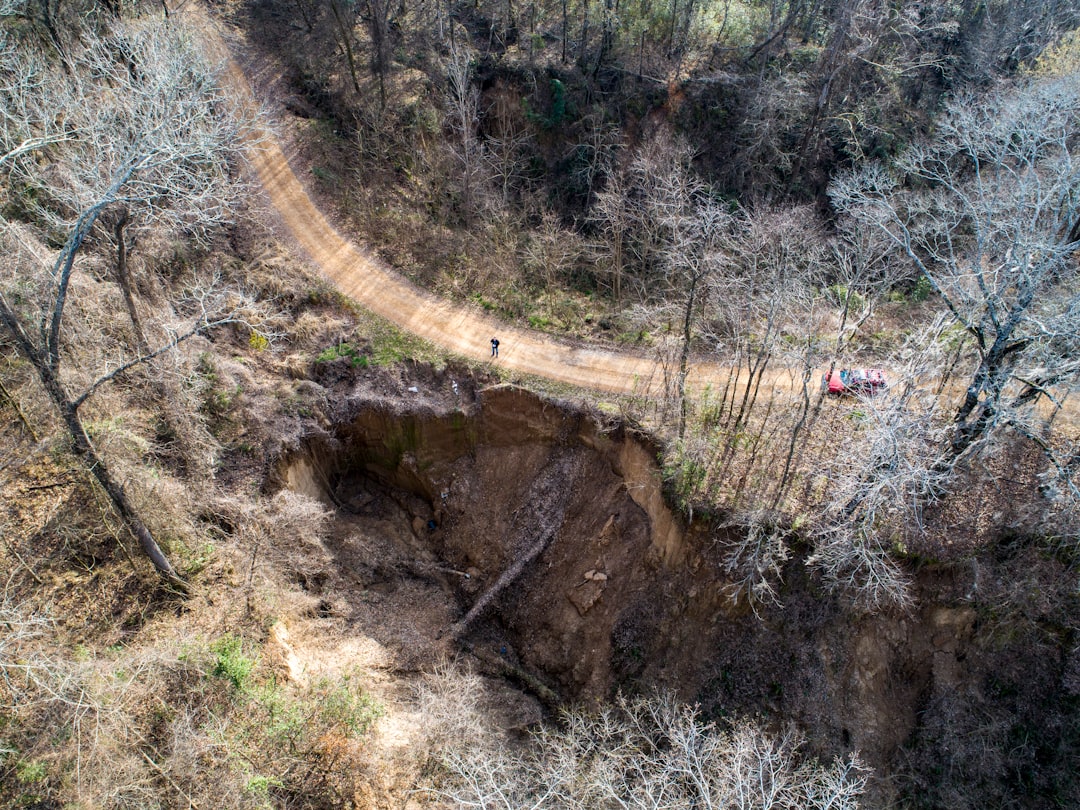
Workers have begun draining water from a landslide in northeast British Columbia, where residents have been forced out of their homes for weeks. The landslide, located in the Old Fort area, prompted an evacuation order that still remains in place. According to the Ministry of Transportation, the water drainage process is currently underway, but there is no word on when the evacuation order may be lifted.
Context
The landslide occurred in the province’s northeast, affecting the Old Fort community. The region has experienced heavy rainfall and flooding in recent weeks, which may have contributed to the landslide. The Ministry of Transportation is working to stabilize the area and ensure public safety.
The evacuation order was issued to protect residents from potential further landslides and flooding. The affected area is located near the Peace River, and the landslide has raised concerns about the stability of the surrounding terrain.
Main Body
The water drainage process is a crucial step in stabilizing the area and assessing the damage. According to a spokesperson for the Ministry of Transportation, the process is expected to take several days to complete. The ministry is working closely with local authorities and emergency responders to ensure public safety.
Experts say that landslides can be unpredictable and may be triggered by a combination of factors, including heavy rainfall, flooding, and geological instability. Data from the province’s geotechnical engineers suggests that the landslide was likely caused by a combination of these factors.
A report by the Canadian Geotechnical Society notes that landslides can have significant economic and social impacts on affected communities. The report highlights the importance of emergency preparedness and response planning to mitigate the effects of landslides.
Expert Perspectives
Dr. John Clague, a geotechnical engineer at Simon Fraser University, notes that landslides are a common occurrence in British Columbia due to the province’s geology and climate. He emphasizes the importance of monitoring and maintaining infrastructure to prevent landslides and minimize their impact.
According to Clague, the province’s emergency response plan is well-equipped to handle landslides, but more needs to be done to prevent them. He recommends increasing funding for geotechnical research and infrastructure maintenance to reduce the risk of landslides.
Implications
The ongoing evacuation order has significant implications for the affected residents, who are uncertain about when they can return to their homes. The situation also raises concerns about the long-term stability of the area and the potential for future landslides.
As the water drainage process continues, residents and authorities will be closely watching the situation to determine when it is safe to lift the evacuation order. The province’s emergency response plan will be put to the test, and the effectiveness of the plan will be closely monitored.
Looking ahead, the situation in Old Fort will likely have implications for emergency preparedness and response planning in other regions of the province. As the province continues to experience heavy rainfall and flooding, the risk of landslides will remain a concern, and authorities will need to be vigilant in monitoring and responding to these events.


