
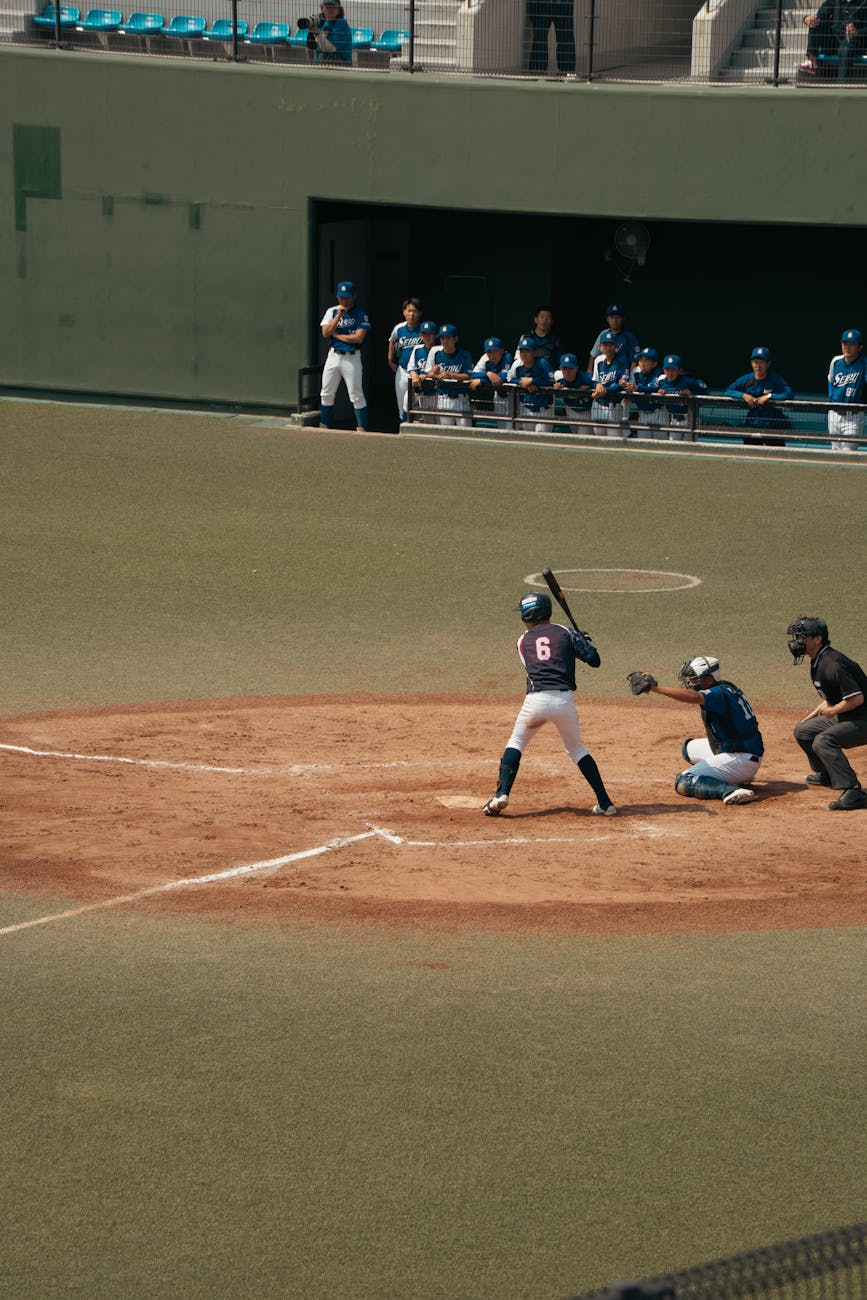
The Toronto Blue Jays missed a critical opportunity to gain ground in the American League standings on Friday afternoon, falling 3-2 to the Detroit Tigers at Comerica Park. Despite an early lead and a series of fortunate breaks, Toronto could not capitalize on a depleted Detroit pitching staff, eventually losing on a ninth-inning walk-off single by Spencer Torkelson. This defeat highlights a growing concern for the 2026 Blue Jays: an inability to put away vulnerable opponents when the momentum shifts in their favour.
- Toronto squandered a 2-0 lead and failed to exploit a Detroit bullpen forced into early action by injury.
- Starter Trey Yesavage demonstrated elite velocity but struggled with command, recording three wild pitches.
- Defensive inconsistencies continued as the Blue Jays committed their 28th error of the season, ranking among the league’s highest.
To understand the weight of this loss, one must look at the current state of the Blue Jays’ 2026 campaign. The team has shown flashes of brilliance from its young rotation but remains plagued by inconsistent run support and defensive lapses. Entering this three-game series in Detroit, the Blue Jays were looking to establish a winning rhythm against a Tigers team dealing with an injury-depleted rotation and a taxed bullpen. For a team with post-season aspirations, these are the games that historically define the margin between a division title and a wild-card struggle.
Why did the Blue Jays offence stall against the Detroit bullpen?
The game appeared to swing decisively in Toronto’s favour during the third inning. Already leading 2-0 thanks to an Andres Gimenez two-run double, the Blue Jays saw Tigers starter Ty Madden exit the game after just seven pitches. A 107-mph comebacker off the bat of Yohendrick Pinango struck Madden on the forearm, forcing Detroit to turn to Burch Smith without a proper warmup. This moment represented the peak of the Tigers’ vulnerability, yet Toronto failed to deliver the knockout blow.
Vladimir Guerrero Jr. faced Smith with a 3-0 count and a runner on first, but he popped up weakly to second base on a pitch he likely should have taken. The inning unraveled further when Pinango was picked off first base, and Smith eventually struck out Kazuma Okamoto to end the threat. This sequence effectively silenced the Blue Jays’ bats for the remainder of the evening. After the third inning, the Detroit relief corps, led by Smith and Drew Anderson, allowed only one hit over the final six frames.
How did Trey Yesavage’s command affect the game’s outcome?
On the mound, Trey Yesavage provided a performance that was both dominant and frustrating. The young right-hander limited the Tigers to just four hits over six innings of work, showcasing a splitter that frequently left Detroit hitters lunging. However, his lack of precision forced catcher Brandon Valenzuela into a defensive battle behind the plate. Yesavage’s three wild pitches were a direct result of the splitter’s unpredictable movement, which Valenzuela struggled to block throughout the night.
One of those wild pitches allowed Detroit to score their first run, marking only the second earned run Yesavage has surrendered all season. While his ERA remains elite, his high pitch count—88 through six innings—prevented him from pitching deep enough to protect a thin Toronto bullpen. The lack of command meant that even a stellar statistical outing resulted in a no-decision for the starter, placing the burden of the game on the late-inning relievers.
“In modern baseball, the difference between a win and a loss often comes down to the efficiency of the middle innings and the ability to minimize self-inflicted errors.”
What are the implications of Toronto’s defensive struggles?
The Tigers tied the game in the seventh inning following a costly fielding error by Ernie Clement. Although Clement is typically reliable, a rushed throw to first base allowed Dillon Dingler to reach second. According to the official MLB scoring guidelines, an error is charged when a fielder fails to convert a play that an average fielder should have made. This specific error was Toronto’s 28th of the season, a statistic that currently places them in the bottom tier of the major leagues for defensive efficiency.
Riley Greene followed the error with a double to right field, scoring Dingler and erasing Toronto’s lead. This pattern of defensive breakdown has become a trend for the Blue Jays in 2026. While the pitching staff has largely kept the team competitive, the lack of defensive support has turned potential wins into high-leverage losses. The inability to execute fundamental plays in the late innings is a hurdle the coaching staff must address if the team hopes to compete in the late summer.
The final blow came in the bottom of the ninth inning against reliever Jeff Hoffman. After Matt Vierling reached second base, Spencer Torkelson delivered a two-out single to deep right-centre field. The walk-off hit secured the 3-2 victory for Detroit and highlighted the resilience of a Tigers team that refused to fold despite losing their starter early. For Detroit, the win is a testament to their bullpen’s depth; for Toronto, it is a stark reminder of the work required to develop a truly competitive edge.
Looking ahead, the Blue Jays must pivot quickly as they prepare for Game 2 on Saturday. With a bullpen-heavy approach expected for Toronto, the pressure will be on the relief staff to match the efficiency shown by Detroit’s Drew Anderson. The Tigers will counter with Casey Mize, who carries a 2.90 ERA into the contest. Success in the remainder of this series will depend on Toronto’s ability to tighten their defensive rotations and find the aggressive offensive approach that was missing in the opener.


