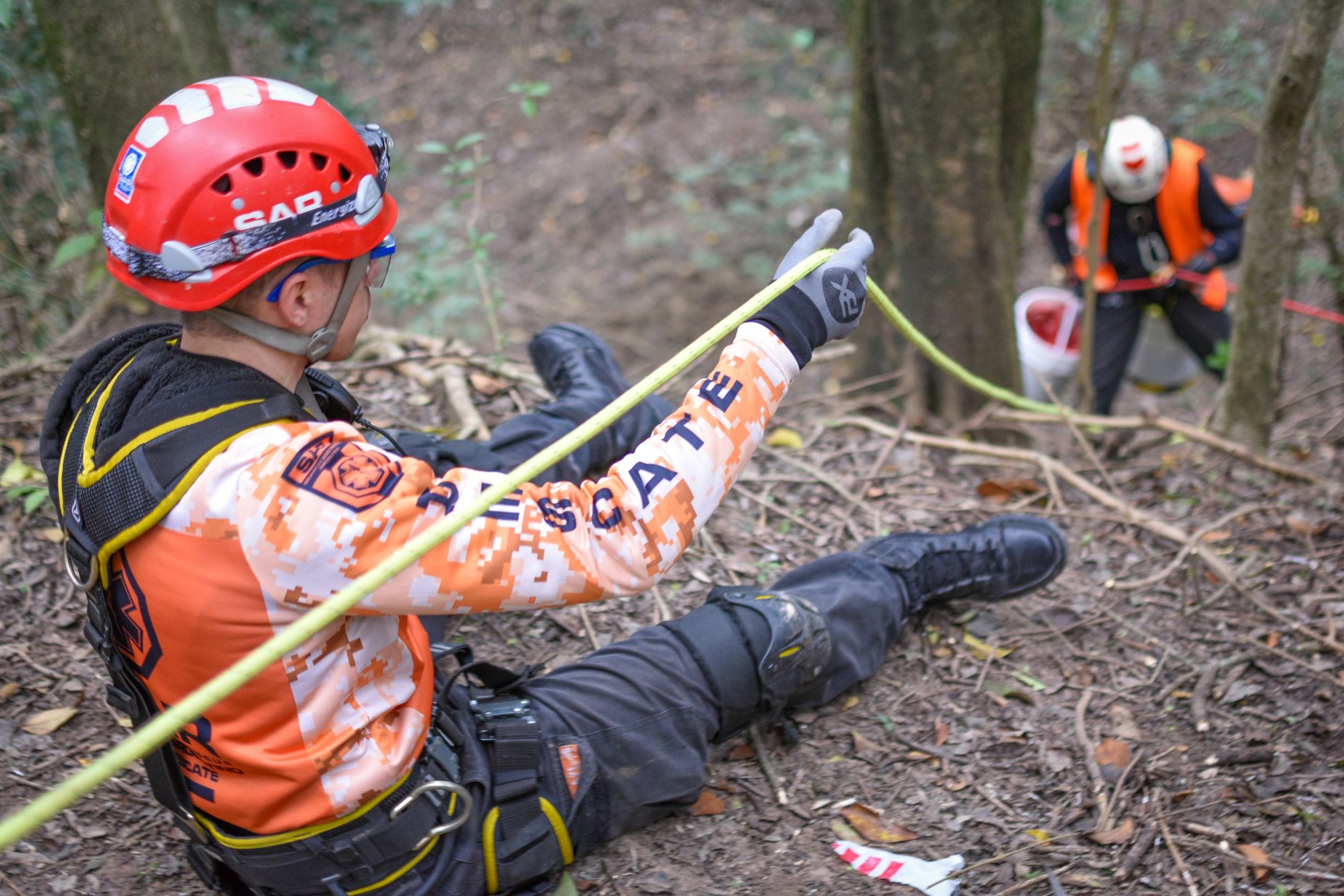
Families and specialized volunteer teams are converging on Mont-Tremblant this spring to launch a high-intensity search for Liam Toman, an Ontario man who vanished over a year ago. Toman was last seen on February 2, 2025, during a ski excursion in the Laurentian Mountains, sparking a massive but ultimately unsuccessful initial recovery operation. This 2026 effort leverages the seasonal snowmelt to access previously unreachable terrain, providing a critical window for investigators to locate new evidence regarding the Liam Toman missing Mont-Tremblant search and bring closure to a case that has gripped the region.
- Strategic Timing: The spring thaw allows searchers to inspect areas that were buried under several metres of snow during the 2025 winter season.
- Technological Integration: Teams are utilizing advanced drone mapping and thermal imaging to scan the rugged Laurentian topography.
- Community Involvement: Over 50 volunteers from Ontario and Quebec have committed to the multi-day ground search operation.
Why is the spring thaw critical for the Liam Toman investigation?
Search and rescue (SAR) experts emphasize that the transition from winter to spring is the most effective time for recovery in mountainous regions. The heavy snowfall of February 2025 likely obscured tracks or belongings shortly after Toman went missing near the ski resort boundaries. As the snowpack recedes, items that were trapped in the sub-alpine brush often become visible to ground crews and aerial surveillance.
The geography of Mont-Tremblant presents significant challenges for searchers, including dense coniferous forests and steep, rocky outcroppings. During the initial disappearance, extreme cold and high winds hampered visibility, making it difficult for helicopters to maintain consistent flight paths. This 2026 mission focuses on the “catchment areas”—valleys and creek beds where runoff naturally directs debris—which were inaccessible during the previous year’s freeze.
“The first few weeks after the snow disappears are vital. Vegetation has not yet grown tall enough to hide evidence, and the ground remains soft enough to show disturbances that have been preserved by the frost.”
How is technology assisting the 2026 search efforts?
The 2026 search phase incorporates a sophisticated data-driven approach that was not fully deployed during the emergency response phase. Geographic Information System (GIS) specialists have created a probability map based on Toman’s last known cell phone pings and sightings. This allows coordinators to prioritize high-probability zones while excluding areas that have already been cleared by professional teams.
Unmanned Aerial Vehicles (UAVs) equipped with LiDAR sensors are being used to penetrate the forest canopy. These sensors can create a 3D model of the ground surface, identifying anomalies that do not match the natural landscape. This technology is particularly useful in the Laurentians, where the dense brush often hides small objects from the naked eye. Ground teams then use these digital coordinates to conduct precise, forensic-style grid searches.
What are the official protocols for missing persons in Quebec?
The ongoing investigation remains under the jurisdiction of provincial authorities, who continue to monitor any new leads provided by the public. Official missing person reports in the province are managed through the Sûreté du Québec, which coordinates with local police and specialized SAR units. While the family-led spring search is a private initiative, they remain in constant communication with law enforcement to ensure any findings are handled according to legal evidence protocols.
Provincial statistics indicate that while most missing persons are located within the first 48 hours, cases involving remote wilderness require long-term persistence. The Toman family has maintained a public awareness campaign through social media, ensuring that hikers and mountain bikers entering the Mont-Tremblant backcountry remain vigilant. They have requested that any individual finding clothing or equipment in the area mark the location with GPS and notify authorities immediately without disturbing the site.
What does this mean for backcountry safety and the local community?
The disappearance of Liam Toman has prompted a broader discussion regarding ski resort safety and the risks of off-piste skiing. Mont-Tremblant, like many major North American resorts, has seen an increase in visitors exploring terrain outside of marked trails. This case highlights the necessity of carrying satellite communication devices and ensuring that trip plans are filed with friends or family before heading into the Laurentian wilderness.
Local businesses and residents have shown immense support for the Toman family, providing lodging and supplies for the searchers arriving from Ontario. This cross-border solidarity underscores the deep impact the disappearance has had on both the Ottawa-Gatineau area and the Mont-Tremblant tourism sector. The community remains hopeful that the 2026 spring search will provide the answers that have remained elusive for over fourteen months.
As the search continues through the coming weeks, the focus remains on a thorough and methodical sweep of the mountain’s northern face. By combining traditional tracking skills with modern mapping technology, the teams are maximizing their chances of a breakthrough. For those living in or visiting the Laurentians, the story of Liam Toman serves as a poignant reminder of the power of the landscape and the enduring resilience of a family seeking the truth.