
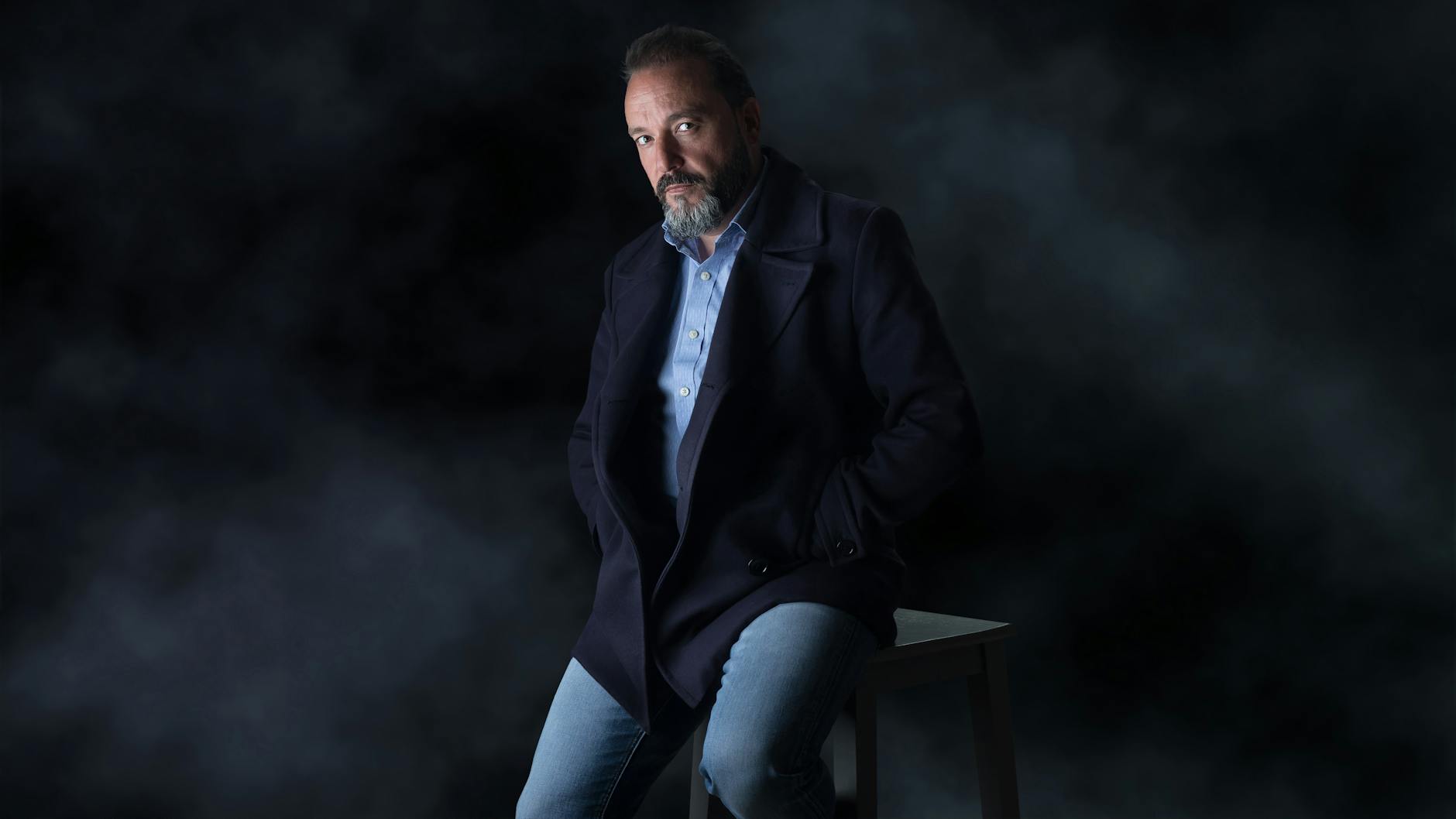
Russell Andrews, the 64-year-old veteran actor recognized for his compelling performances in Better Call Saul and Straight Outta Compton, announced his diagnosis of Amyotrophic Lateral Sclerosis (ALS) this past weekend on CNN’s The Story Is. Appearing alongside his fiancée, actress Erica Tazel, Andrews confirmed he began experiencing early symptoms during the pandemic before receiving a formal diagnosis in late 2025. This revelation brings renewed global focus to the fatal neurodegenerative condition, often called Lou Gehrig’s disease, which currently lacks a known cure. Readers will learn about the early warning signs of ALS, the systemic challenges of maintaining healthcare during industry labour disputes, and how high-profile advocacy is shaping the support landscape for patients in 2026.
- Actor Russell Andrews confirms ALS diagnosis following symptoms that first appeared in 2020.
- The diagnosis highlights the critical role of continuous health insurance for early neurological intervention.
- High-profile cases like Andrews’ and the late Eric Dane’s are driving increased awareness for the ALS Network.
What are the early symptoms of ALS?
Amyotrophic Lateral Sclerosis is a progressive disease that attacks nerve cells in the brain and spinal cord. According to the ALS Society of Canada, the condition eventually leads to the loss of muscle control, affecting everything from limb movement to speech and breathing. Andrews first noticed subtle changes during the COVID-19 pandemic, which he initially attributed to the extreme stress of industry shutdowns.
Specifically, the actor experienced random muscle twitches and persistent pain. He initially suspected these sensations were the result of pinched nerves in his neck. However, as the symptoms progressed, he began dropping household objects, such as cups and glasses, and experienced a loss of coordination. His fiancée, Erica Tazel, noted that he also began taking significantly longer to complete routine physical tasks, such as cleaning their pool.
Medical data from the Muscular Dystrophy Association suggests that most patients live between three and five years after diagnosis. Nevertheless, some individuals survive much longer depending on the rate of progression and access to supportive care. For Andrews, the path to a definitive diagnosis was complicated by external economic factors that delayed his initial medical consultations.
How did industry strikes impact the diagnosis timeline?
During his interview with Elex Michaelson, Andrews revealed a troubling gap in his medical care caused by the 2023 Hollywood actors’ strike. Because he temporarily lost his health insurance coverage during the labour dispute, he was unable to seek immediate specialist attention when his symptoms worsened. This highlights a significant vulnerability for gig economy workers and performers who rely on union-provided benefits.
Once his insurance was reinstated, his primary care physician referred him to a neurologist within fifteen minutes of his first appointment. This rapid referral underscores the severity of his physical decline by the time he accessed professional help. Andrews’ experience serves as a cautionary tale regarding the necessity of consistent health coverage for the early detection of neurodegenerative conditions.
“It’s been humbling,” Andrews remarked, noting that the ALS Network has become a vital support system for him and Tazel as they navigate treatment options and daily care adjustments.
Who are the public figures raising awareness for ALS in 2026?
Andrews joins a growing community of public figures who have used their platforms to humanize the struggle of living with a terminal illness. The news follows the recent death of Grey’s Anatomy star Eric Dane on February 19, 2026. Dane, who passed away at age 53, spent his final months recording messages for his family and advocating for dignity in end-of-life care through the series Famous Last Words.
Other notable figures have also contributed to the dialogue surrounding the disease:
- Aaron Lazar: The Broadway actor released the album Impossible Dream in 2024 to fund research and inspire hope.
- John Driskell Hopkins: The Zac Brown Band member has been a vocal advocate since his 2022 diagnosis.
- Roberta Flack: The legendary singer brought attention to how ALS affects vocal capabilities before her passing in early 2025.
- Eric Stevens: A former NFL player whose diagnosis at age 29 highlighted the disease’s impact on younger adults.
These stories have collectively increased public pressure for accelerated clinical trials and better funding for neurodegenerative research. In 2026, the visibility provided by actors like Andrews is essential for moving the needle on legislative support and research grants.
What does this mean for the future of ALS advocacy?
The transition from a high-functioning career to living with a neurodegenerative disease requires immense psychological and physical adjustment. Andrews and Tazel have emphasized that the ALS Network provided them with a sense of family and practical guidance for managing paralysis and slurred speech. This support is critical, as the financial and emotional burden on caregivers is often immense.
Furthermore, the actor’s openness about his symptoms—such as the sensation of “strange movements” in his limbs—helps the general public recognize when to seek a neurological consultation. Early intervention remains the best way to manage symptoms and potentially extend quality of life through multidisciplinary care teams.
As the entertainment industry continues to evolve, the health of its veteran performers remains a point of significant concern. By sharing his journey, Russell Andrews is ensuring that his legacy includes not only his artistic contributions but also a profound impact on the visibility of the ALS community. His story serves as a reminder to prioritize neurological health and to advocate for systemic changes that protect workers’ access to life-saving diagnostics.


