
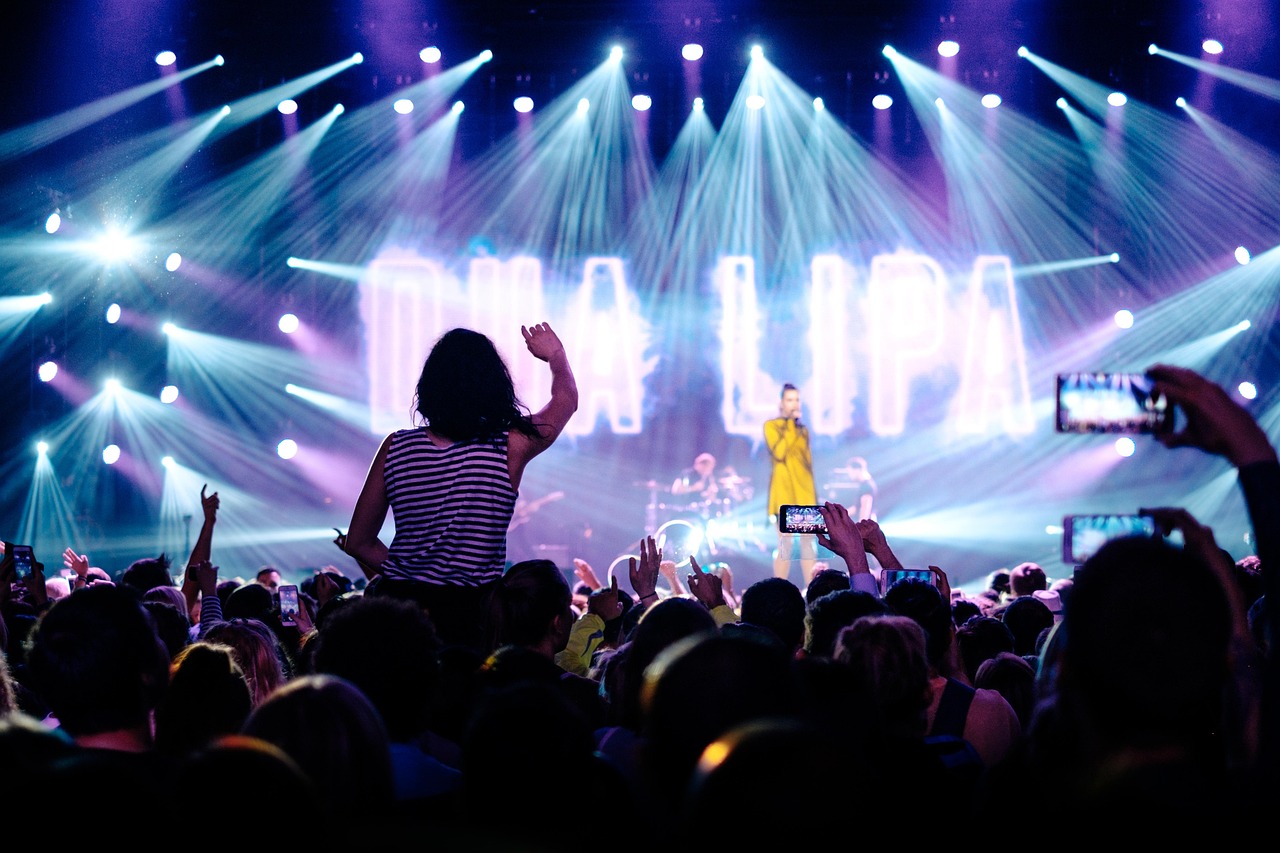
In a move that merges international football with global pop culture, FIFA has confirmed a revolutionary change for the 2026 World Cup Final. On July 19, 2026, MetLife Stadium in East Rutherford, New Jersey, will host the first-ever World Cup 2026 halftime show. This historic event will feature global icons Madonna, Shakira, and the K-pop phenomenon BTS. By introducing a Super Bowl-style performance, FIFA aims to capture record-breaking viewership across multiple demographics. In this report, you will learn about the strategic selection of these artists, the logistical shifts in the tournament format, and the projected economic impact of this entertainment expansion.
Key Takeaways:
- Madonna, Shakira, and BTS are the official headliners for the inaugural World Cup Final halftime show.
- The performance will take place at MetLife Stadium on July 19, 2026, during the tournament’s championship match.
- This initiative represents a significant shift in FIFA’s commercial strategy to compete with major North American sports broadcasts.
How is the World Cup 2026 halftime show changing the tournament tradition?
For decades, the FIFA World Cup focused its musical celebrations on the opening ceremony. These events traditionally featured local cultural displays and a single tournament anthem. However, the 2026 expansion to 48 teams has prompted a rethink of the entertainment programme. Organizers are now prioritizing a high-energy interval to maintain global engagement during the break in play. This shift aligns the World Cup with the commercial success of the NFL’s championship format.
The decision to host the final at MetLife Stadium provides the necessary infrastructure for a massive stage production. Technical crews must assemble and dismantle a complex set within a strictly timed 15-minute window. This logistical challenge requires a specialized team of hundreds of workers. FIFA officials believe this addition will attract non-traditional football viewers who tune in specifically for the musical spectacle. The integration of high-calibre musical acts reflects a strategic shift in FIFA’s official tournament guidelines for the expanded North American edition.
Who are the headliners performing at MetLife Stadium?
The selection of Madonna, Shakira, and BTS ensures a multi-generational and global appeal. Madonna brings decades of experience as the “Queen of Pop” and a history of iconic live performances. Her inclusion signals a bridge between classic pop culture and the modern era. Meanwhile, Shakira is no stranger to the football world, having performed at three previous World Cups. Her hits like “Waka Waka” and “La La La” remain synonymous with the tournament’s festive spirit.
BTS represents the massive influence of East Asian culture on the global stage. Their participation ensures a surge in viewership from the Asian market and younger digital-native audiences. Although individual members have performed at FIFA events before, this marks their most significant collective appearance at a sporting final. Each artist brings a distinct fan base, creating a truly diverse audience profile for the broadcast. The combination of North American, Latin American, and Asian superstars covers the primary geographic hubs of the 2026 host nations.
“The scale of this performance is unprecedented in international soccer. We are not just hosting a game; we are producing a global cultural moment that transcends the sport itself.”
What are the logistical and economic implications of the halftime show?
Broadcasters expect the 2026 final to surpass previous viewership records, potentially reaching over 1.5 billion people. Ad revenue for the halftime slot is projected to reach levels previously only seen during the Super Bowl. Brands are already bidding for 30-second spots that will air during the musical transition. This influx of capital helps offset the increased costs of hosting a 48-team tournament across three countries. The economic ripple effect extends to the local New Jersey and New York hospitality sectors.
Security and crowd management will be under intense scrutiny during the July 19 event. MetLife Stadium will operate at its maximum capacity of over 82,000 spectators for the final. Managing the flow of fans during a high-profile halftime show requires advanced planning and technology. FIFA is working closely with local authorities to ensure the transition from sport to entertainment is seamless. These preparations include specialized lighting rigs and sound systems designed for the unique acoustics of an open-air stadium.
Why did FIFA choose this specific moment to innovate?
The 2026 tournament is the first to be co-hosted by three nations: Canada, Mexico, and the United States. This North American influence has naturally brought American-style sports marketing to the forefront. FIFA is keen to monetize every minute of the broadcast, recognizing that the halftime interval is often underutilized. By creating a “must-see” event in the middle of the match, they reduce the likelihood of audience drop-off. This strategy also provides a platform for sponsors to engage with a captive global audience.
Furthermore, the evolution of streaming services has changed how fans consume sports. Interactive features and social media integration will play a major role in the 2026 broadcast. Fans will likely be able to access multi-angle views of the performance through official apps. This digital-first approach ensures that the halftime show resonates far beyond the physical stadium. The event serves as a prototype for future FIFA tournaments, potentially becoming a permanent fixture of the World Cup Final.
As the countdown to July 19, 2026, continues, the anticipation for this musical trio grows. Madonna, Shakira, and BTS are currently in the early stages of rehearsing a choreographed medley. This performance will likely honour the diverse cultures of the host nations while celebrating the unity of football. Fans can expect a high-tech display featuring drones, augmented reality, and pyrotechnics. This fusion of sport and song is set to redefine the spectator experience for the next generation of football enthusiasts.


