
Members of the Heiltsuk Nation gathered in an East Vancouver banquet hall this Tuesday to perform a traditional washing ceremony, marking the final stage of a significant Indigenous human rights settlement with Canadian Tire. This spiritual event follows years of legal proceedings stemming from a 2021 racial profiling complaint that sparked a national conversation about retail discrimination. The ceremony serves to cleanse the trauma of the past while establishing a new framework for corporate accountability in British Columbia. Readers will learn how this 2026 milestone integrates Indigenous legal traditions into modern settlements and what it means for the future of Indigenous human rights settlement retail practices across Canada.
- The ceremony concludes a multi-year legal battle over systemic racial profiling in the retail sector.
- Indigenous legal traditions, such as washing ceremonies, are now being recognized as essential components of corporate restitution.
- Canadian Tire has committed to comprehensive staff training and policy overhauls to prevent future discrimination.
How does the washing ceremony impact corporate accountability?
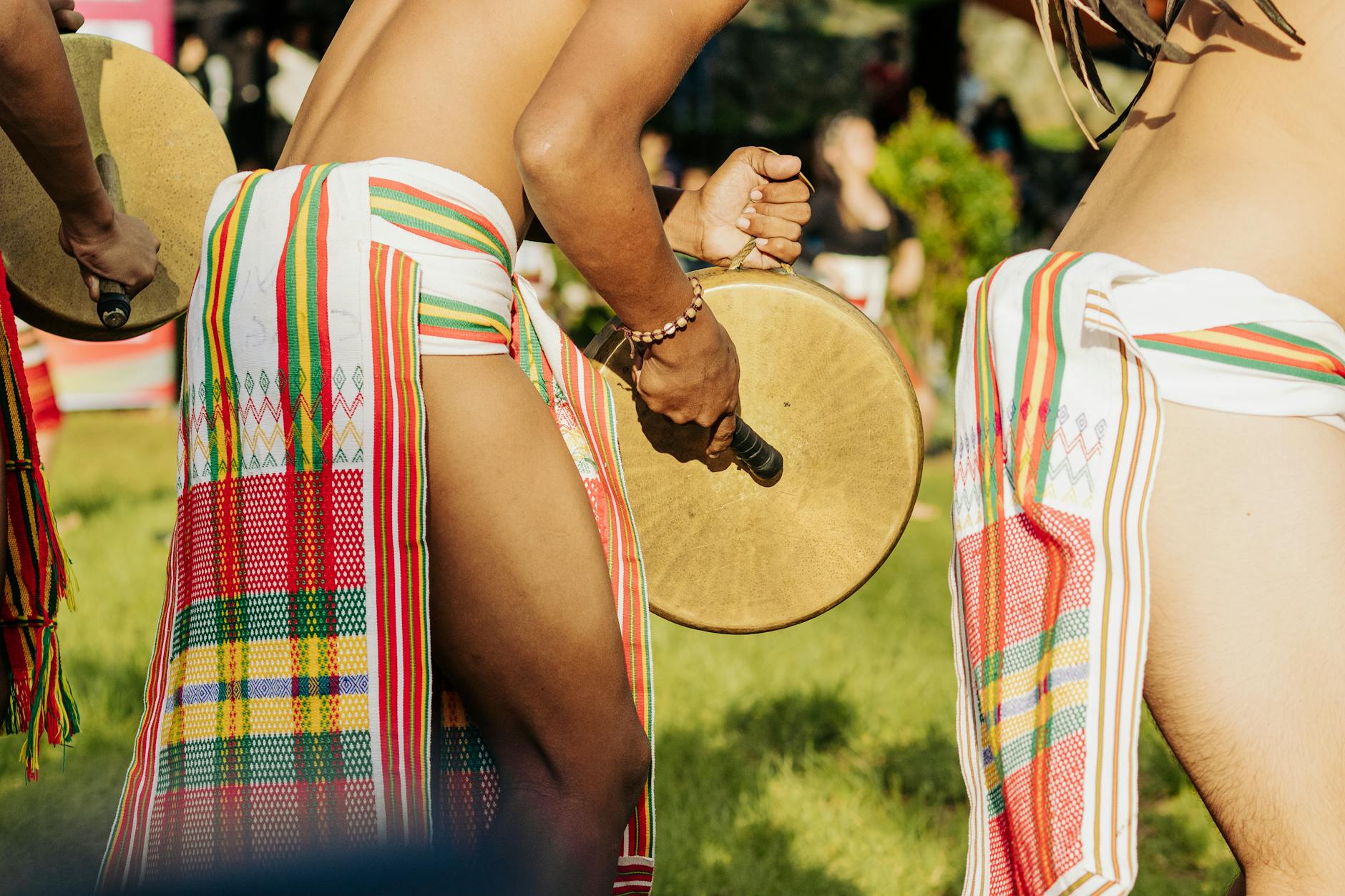
The rhythmic beat of Heiltsuk drums filled the hall, signaling a shift in how Canadian corporations approach reconciliation. This ceremony is not merely symbolic; it is a formal requirement of the settlement agreement. It requires the participation of corporate leadership to acknowledge the harm caused to Indigenous patrons.
By engaging in this tradition, the corporation accepts responsibility within a framework of Indigenous law. This move transcends standard financial compensation. It focuses on restorative justice and the emotional well-being of the affected parties.
Experts suggest that this approach creates a deeper sense of accountability. It forces a face-to-face encounter between the institution and the community. This interaction often leads to more sustainable cultural changes within the organization.
What led to the landmark Heiltsuk Nation settlement?
The case began years ago when a Heiltsuk man and his granddaughter were wrongly accused of retail fraud. This incident led to a human rights complaint that highlighted systemic biases in the retail industry. The resulting legal battle lasted several years, finally reaching a resolution that included both policy changes and cultural reparations.
The proceedings align with the British Columbia Human Rights Tribunal guidelines regarding systemic discrimination and the protection of marginalized groups. These guidelines emphasize that retail environments must be free from prejudice. The tribunal’s involvement ensured that the settlement addressed the root causes of the profiling incident.
Throughout the process, the Heiltsuk Nation remained steadfast in their demands. They sought more than just an apology or a monetary payout. They demanded a transformation in how retail staff interact with Indigenous customers.
Why are traditional Indigenous laws gaining traction in Canadian retail?
In 2026, we are seeing a significant trend where traditional Indigenous legal processes are integrated into corporate settlements. This shift reflects a broader societal commitment to the United Nations Declaration on the Rights of Indigenous Peoples (UNDRIP). Retailers are beginning to understand that Western legal systems often fail to address cultural harm.
The washing ceremony is a prime example of this integration. It is designed to remove the “stain” of a negative experience from the participants. This allows the community to move forward without carrying the weight of the past incident.
“The ceremony is about more than the past; it is about clearing a path for our children to walk safely in their own communities.”
Data from the Retail Council of Canada shows a 40% increase in cultural competency training since the initial complaint. This suggests that the impact of the Heiltsuk case has reached far beyond a single store. Large-scale retailers are now proactively seeking partnerships with Indigenous leaders to audit their security protocols.
What are the long-term implications for BC’s human rights landscape?
The success of this settlement provides a roadmap for other First Nations across Canada. It demonstrates that traditional ceremonies can hold equal weight with modern legal outcomes. This creates a more inclusive justice system that respects diverse cultural backgrounds.
For the retail industry, the implications are clear. Standard anti-bias training is no longer sufficient. Companies must now demonstrate a genuine commitment to cultural safety and restorative practices.
Investors and consumers are also watching these developments closely. There is an increasing demand for social responsibility that goes beyond surface-level PR. Genuine reconciliation efforts are becoming a key metric for corporate reputation in the 2026 market.
The East Vancouver hall eventually fell silent as the ceremony concluded. However, the influence of this event will likely resonate for years to come. It serves as a reminder that justice involves both the head and the heart.
As retail spaces continue to evolve, the lessons learned from the Heiltsuk Nation will be vital. Companies that embrace these changes will find themselves better positioned to serve a diverse Canadian public. The path forward requires a constant commitment to listening, learning, and honouring the traditions of the land.


