
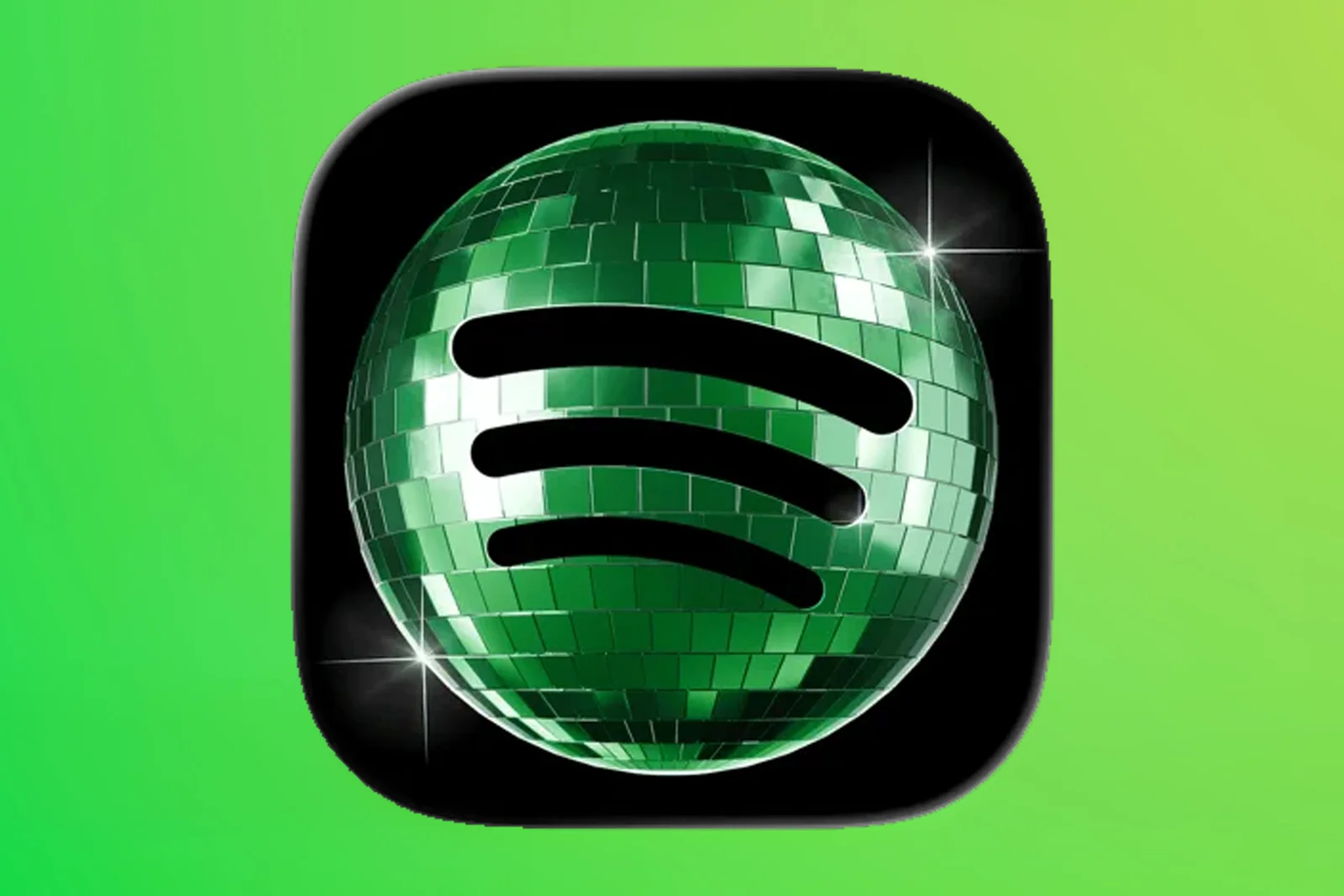
In May 2026, music streaming giant :contentReference[oaicite:0]{index=0} marked its 20th anniversary by replacing its iconic 2D logo with a temporary 3D disco ball icon on mobile devices. This Spotify 20th anniversary logo change was intended as a festive tribute but quickly met with significant resistance from a vocal segment of its global user base. While the update was part of a larger celebratory campaign, the shift in visual identity prompted a swift response from the company to address concerns regarding legibility and brand consistency.
Temporary Update: The 3D disco ball icon is a limited-time change for the 20th-anniversary celebration.
User Concerns: Critics cited poor readability, pixelation on small screens, and unconventional colour contrast.
Company Stance: Spotify executives maintain that the polarising design was an intentional choice to spark conversation.
The anniversary festivities centre around the platform’s evolution from a European startup into one of the world’s most dominant music streaming services. However, instead of focusing solely on the milestone celebration, many users turned their attention to the redesigned app icon, which rapidly became a trending topic across social media platforms.
The Spotify Disco Ball Logo Explained
The temporary logo redesign replaced Spotify’s familiar flat green-and-black circular symbol with a reflective disco ball-inspired design. The updated icon featured metallic textures, bright highlights, and layered lighting effects intended to evoke nostalgia for dance culture and celebration.
According to Spotify, the visual experiment was designed to capture the spirit of music, nightlife, and global fan communities that have shaped the platform over the last two decades. The company described the redesign as a “celebration of movement, creativity, and musical discovery.”
Despite those intentions, many users felt the redesign conflicted with modern app design principles that prioritize simplicity and readability.
Why Users Criticized the New Spotify Icon
Criticism emerged within hours of the rollout. Users across multiple devices reported difficulty identifying the Spotify app quickly on crowded home screens. Others complained that the disco ball aesthetic appeared blurry or low resolution on smaller smartphone displays.
“I thought my app icon was glitched,” one user wrote on social media after the update appeared automatically on their device.
Several long-time subscribers argued that the redesign sacrificed usability in favour of marketing spectacle. Others questioned why a globally recognised brand would temporarily abandon one of the most familiar logos in digital entertainment.
Among the most common complaints were:
Reduced Visibility
The reflective silver detailing made the icon less distinguishable compared to Spotify’s traditional flat green branding.
Visual Clutter
Some users described the 3D effect as outdated, comparing it to older app design trends from the early 2010s.
Brand Recognition Issues
Critics argued that changing a globally recognised logo—even temporarily—created unnecessary confusion for users.
Spotify Responds to the Backlash
As criticism intensified online, Spotify executives publicly defended the redesign. Company representatives stated that the temporary icon was intentionally bold and unconventional because anniversary campaigns are meant to generate conversation and cultural visibility.
The company emphasized that the original Spotify logo had not been permanently retired. Instead, the disco ball version was described as a short-term promotional experiment tied specifically to the anniversary celebration.
“Not every design decision is meant to be universally loved,” a Spotify spokesperson reportedly said during media discussions surrounding the rollout.
Spotify also highlighted that experimentation has always been part of its brand identity, particularly in playlists, visual campaigns, and artist partnerships.
The Growing Debate Over App Icon Design
The controversy surrounding the Spotify anniversary logo reflects a larger conversation in the technology industry about branding, minimalism, and user experience.
In recent years, many major technology companies have embraced simplified logos optimized for mobile interfaces and smaller screens. Flat design trends became dominant because they improved readability, accessibility, and recognition across multiple device types.
By introducing a reflective 3D design, Spotify moved in the opposite direction from prevailing design standards. While some users appreciated the nostalgic disco-inspired concept, others viewed it as impractical for everyday use.
Branding experts noted that consumers often develop strong emotional attachments to familiar logos and interface elements. Even temporary changes can trigger significant reactions because users interact with these symbols daily.
Not All Reactions Were Negative
Although criticism dominated many discussions, some users praised Spotify for taking creative risks. Supporters argued that anniversary celebrations should feel different from routine branding and applauded the company for trying something visually unexpected.
Fans of retro aesthetics described the disco ball concept as playful and energetic, aligning with Spotify’s image as a music-focused entertainment brand rather than a purely corporate technology company.
Others suggested that the backlash itself may have been part of the campaign’s success, since the redesign generated massive online discussion and renewed attention around Spotify’s anniversary.
Will Spotify Keep the New Logo?
Spotify has indicated that the disco ball icon is only temporary and will eventually be replaced with the platform’s classic logo. However, the company has not provided a precise timeline for when the original design will fully return across all devices and operating systems.
The incident demonstrates how even relatively small interface updates can become major global talking points when attached to widely used digital platforms. For Spotify, the anniversary logo experiment achieved one undeniable result: it captured the internet’s attention.
Whether viewed as an innovative celebration or an unnecessary design misstep, the Spotify 20th anniversary logo change has become one of the most talked-about branding controversies of 2026.


