
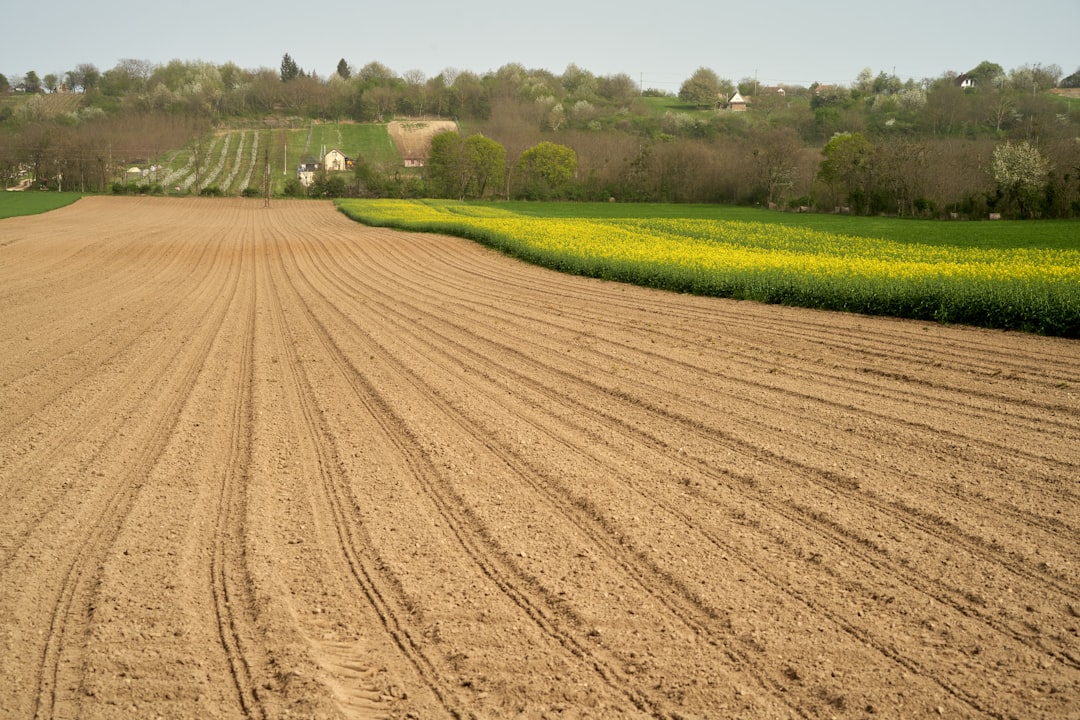
Across the Canadian Maritimes this April 2026, agricultural producers are witnessing a cautious return to normalcy as national drought conditions finally show signs of sustained improvement. Following years of record-breaking moisture deficits, the latest report from Agriculture and Agri-Food Canada indicates that while the national outlook is brightening, the path to full recovery for Atlantic farmers remains complex. This report details the current state of Canadian agricultural drought recovery and the specific hurdles facing the East Coast as the planting season begins.
- National soil moisture levels have reached a three-year high following a wet winter.
- Maritime farmers continue to battle soil degradation and economic losses from 2024-2025.
- New federal irrigation grants aim to bolster long-term climate resilience in Atlantic Canada.
The agricultural landscape in 2026 looks vastly different than the arid conditions of two years ago. Heavy winter snowfalls and consistent spring rain have replenished many depleted reservoirs across the Prairies and Central Canada. However, the Maritimes present a unique case where the environmental scars of previous extreme heat remain visible in the soil structure. Understanding these dynamics is essential for stakeholders monitoring the food supply chain and regional economic health.
How is the national moisture outlook evolving in 2026?
Data from the most recent seasonal assessments suggests that nearly 75 percent of Canadian farmland has moved out of the “extreme drought” category. This shift marks a significant milestone for the national agricultural sector after the devastating cycles of 2024. Improved precipitation patterns have allowed water tables to rise, providing much-needed relief to livestock producers and grain growers in the West.
Meteorologists attribute this shift to a transition in atmospheric pressure systems over the North Atlantic. This change has funneled moisture-rich air across the country more consistently than in previous seasons. For provinces like Saskatchewan and Alberta, this means the highest subsoil moisture levels recorded since early 2021.
Despite these gains, the recovery is not uniform across all regions. While the quantity of water has increased, the quality of the soil and its ability to retain that moisture varies significantly. Producers are now shifting their focus from survival to long-term soil health restoration.
Why does the Maritime recovery gap persist?
While the rest of the country celebrates a return to green fields, farmers in Nova Scotia, New Brunswick, and Prince Edward Island face a slower rebound. The drought conditions that peaked in 2024 caused deep-seated soil compaction and a loss of organic matter in these provinces. These issues prevent the ground from effectively absorbing the recent spring rains.
Potato growers in Prince Edward Island report that while surface moisture is adequate, the deeper root zones remain abnormally dry. This phenomenon, known as a “recovery gap,” means that even with normal rainfall, crop yields may not return to pre-drought levels immediately. The biological life within the soil requires time to regenerate after years of extreme desiccation.
“The rain is back, but the ground isn’t acting like it used to. We are seeing more runoff because the soil is still too hard to drink it up properly.”
Furthermore, the financial burden of the past two years weighs heavily on regional operations. Many Maritime farms took on significant debt to invest in emergency irrigation and feed during the height of the crisis. These economic pressures limit their ability to invest in the specialized fertilizers and cover crops needed to restore soil health quickly.
What data supports the ongoing recovery efforts?
Recent statistics provide a clearer picture of the current trajectory. According to Agriculture and Agri-Food Canada’s latest moisture assessments, the Atlantic region saw a 15 percent increase in precipitation compared to the 2025 average. This is a positive trend, but it remains below the 30-year historical mean required for full ecological restoration.
In New Brunswick, blueberry producers have noted a slower-than-expected return of pollinator populations. Experts suggest that the multi-year drought disrupted the life cycles of local insects. This ecological lag is a primary concern for the 2026 harvest forecasts. Government agencies are currently monitoring these secondary impacts to determine if further disaster relief is necessary.
The following table outlines the current moisture status by province:
- Saskatchewan: 82% of normal levels
- Ontario: 91% of normal levels
- Nova Scotia: 68% of normal levels
- Prince Edward Island: 64% of normal levels
How is the industry adapting to future climate volatility?
The lessons learned during the 2024-2025 period are driving a wave of innovation in Maritime agriculture. Farmers are increasingly adopting no-till seeding methods to preserve what little soil moisture remains. These practices help build organic matter and improve the soil’s water-holding capacity over several seasons.
New federal initiatives are also playing a role in the recovery. The 2026 Climate Resilience Fund provides grants for the construction of on-farm ponds and advanced drip irrigation systems. These tools allow farmers to manage water more precisely during the increasingly common dry spells in the summer months.
Technological integration is another key component of the 2026 strategy. Many producers are now using satellite-based soil sensors to monitor moisture levels in real-time. This data allows for targeted intervention, ensuring that limited water resources are used exactly where they are needed most. These advancements are critical for building a more stable and predictable food system in the East.
As the 2026 growing season progresses, the focus remains on patience and precision. While the worst of the drought appears to be over, the legacy of the dry years continues to shape agricultural decisions. Maritime farmers are proving their resilience, but the road to a full harvest will require continued support and favourable weather through the autumn. Monitoring these local developments will be vital for understanding the broader health of the Canadian agricultural economy this year.


