
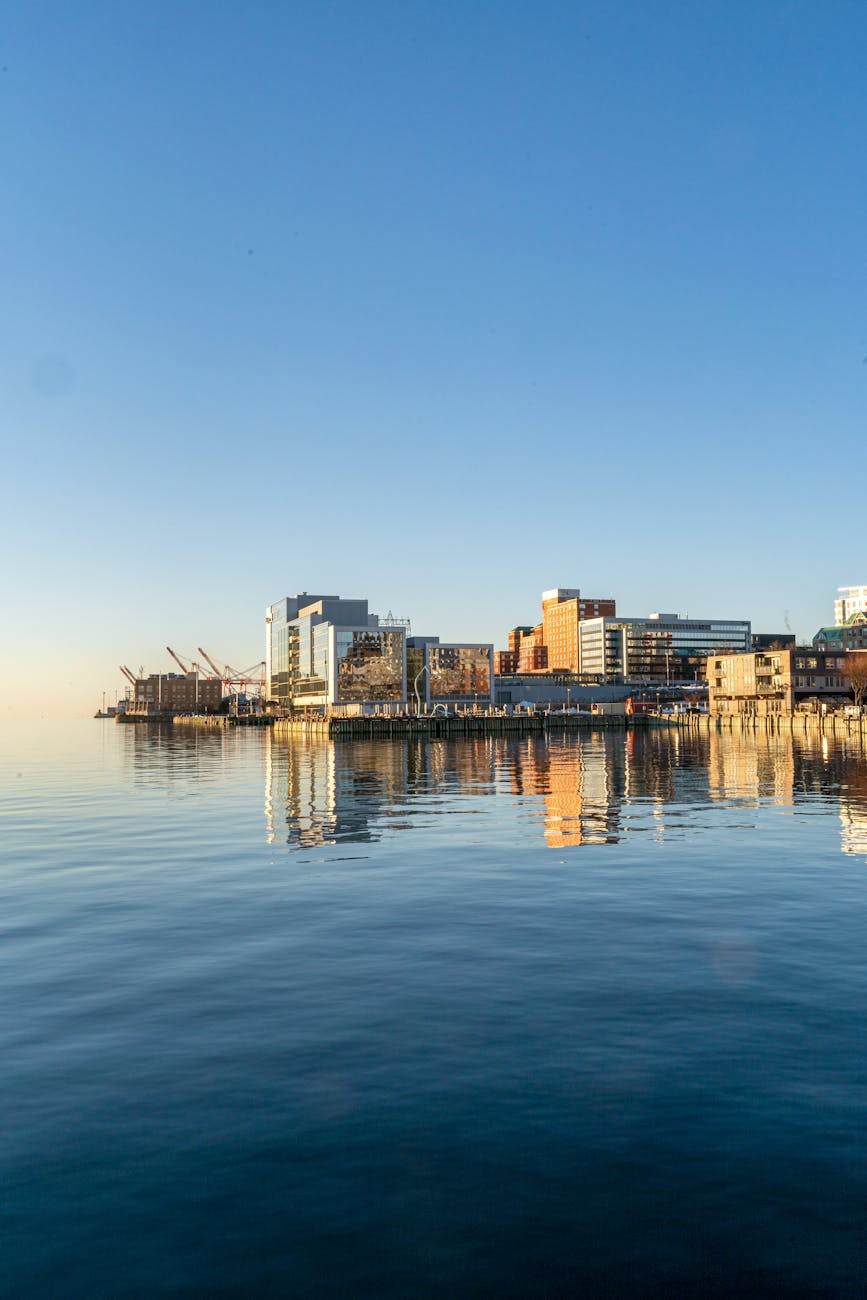
Residents across the Maritimes are bracing for a sweltering season as a mid-May heatwave pushes temperatures past 30 C in Halifax and Fredericton. This early-season surge serves as a definitive preview for the Maritime summer weather outlook 2026, which meteorologists predict will be one of the hottest on record for Atlantic Canada. The sudden spike, occurring months before the traditional peak of summer, is driven by a persistent high-pressure system currently stalled over the region.
- Fredericton and Halifax recorded temperatures of 32 C and 30 C respectively this week.
- Long-range models suggest a 75% probability of above-normal temperatures through August.
- Ocean surface temperatures in the North Atlantic are contributing to higher humidity levels.
The current weather pattern represents a significant departure from historical climate averages for the month of May. Traditionally, the Maritime provinces experience mild spring temperatures ranging between 12 C and 18 C. However, Wednesday’s record-breaking highs have forced residents to activate cooling systems much earlier than anticipated. This shift highlights a growing trend of accelerated seasonal transitions in Eastern Canada.
Why is the Maritimes experiencing early extreme heat?
Meteorologists attribute this heat spike to a phenomenon known as an atmospheric block. This system traps warm air over the Atlantic provinces while preventing cooler Arctic air from moving south. The high-pressure ridge acts like a lid, compressing the air and heating it further as it descends toward the surface. This pattern often precedes prolonged periods of heat during the peak summer months.
Furthermore, the warming of the North Atlantic Ocean plays a critical role in local weather regulation. Warmer waters reduce the cooling effect typically provided by sea breezes. When the ocean cannot absorb excess heat, land temperatures rise more rapidly and stay elevated during the night. This lack of nocturnal cooling can increase the physical stress on residents and local infrastructure.
What does the long-range forecast predict?
The outlook for July and August suggests that this heat is not a temporary anomaly. Forecasting models indicate that the high-pressure ridge will likely remain a recurring feature throughout the season. According to official seasonal data from Environment and Climate Change Canada, the region should prepare for frequent heat warnings and high humidex values. Humidity will likely be a defining factor of the 2026 summer season.
“We are seeing a consistent signal across all major meteorological models indicating a hotter-than-average summer for the Maritimes. This early heat in May is a strong indicator of the atmospheric energy available for the coming months.”
Experts warn that the combination of heat and humidity can lead to more intense localized weather events. While the overall forecast is dry, the energy in the atmosphere can trigger sudden, severe thunderstorms. These events often bring heavy rainfall over short periods, posing risks for flash flooding in urban areas like Saint John and Moncton.
How will the heat impact local industries?
The tourism sector is preparing for a potential surge in visitors seeking coastal relief. Beaches across Prince Edward Island and Nova Scotia are expected to see record attendance. However, operators must also manage the risks associated with extreme heat for outdoor activities. Ensuring access to shade and hydration will be a priority for festival organizers and tour operators this summer.
In contrast, the agricultural sector faces significant challenges due to early soil moisture evaporation. Farmers in the Annapolis Valley and the Petitcodiac River area are closely monitoring irrigation needs. Early heat can stress crops like blueberries and potatoes during critical growth stages. If the heat persists without adequate rainfall, crop yields could be impacted by the end of the season.
Protecting public health and infrastructure
Public health officials are urging residents to review their heat safety plans immediately. Vulnerable populations, including seniors and those with underlying health conditions, are at higher risk during prolonged heatwaves. Municipalities are considering opening cooling centres earlier in the year than previously planned. It is essential to recognize the signs of heat exhaustion, such as dizziness and excessive thirst.
Infrastructure is also under pressure as the demand for electricity spikes. Air conditioning units are running at full capacity, testing the resilience of the regional power grid. Energy providers are encouraging residents to use high-energy appliances during off-peak hours to prevent localized outages. Maintaining home efficiency through closed curtains and proper insulation can help manage indoor temperatures naturally.
Preparing for this record-breaking summer requires a proactive approach to both personal safety and resource management. By staying informed through local weather alerts and adapting daily routines, Maritimers can navigate the upcoming heat safely. Monitoring local water usage and supporting community members will be vital as the region transitions into this exceptionally warm season.


