
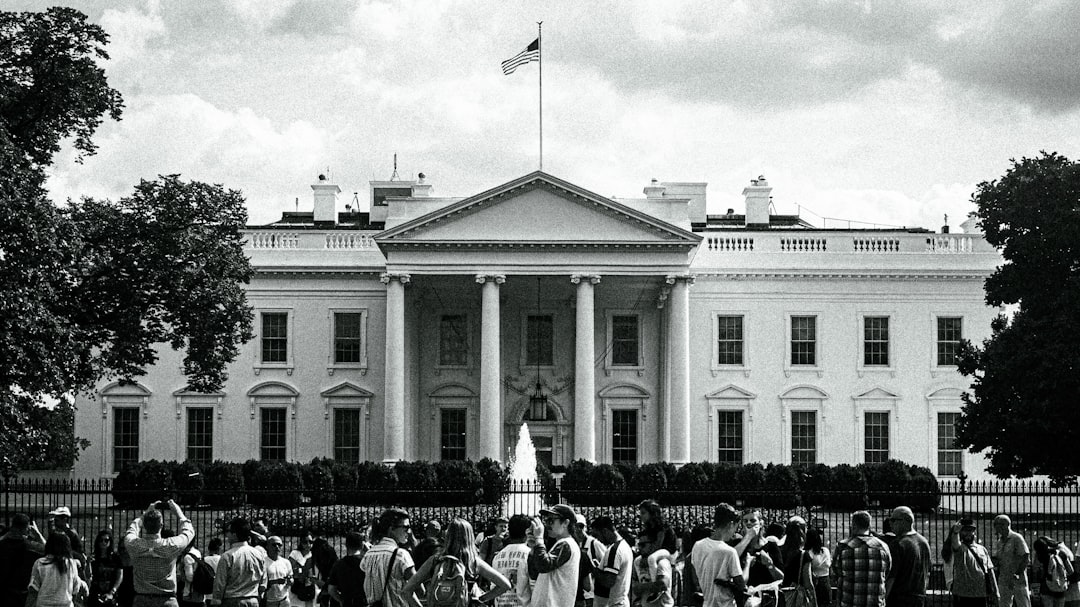
On Thursday, October 15, 2026, President Donald Trump indicated that the escalating military conflict with Iran might prevent his attendance at Donald Trump Jr.’s wedding. Speaking from the White House, the President described the situation as “bad timing” due to the intensity of the Middle East war. This announcement underscores the gravity of current regional hostilities and their impact on the highest levels of the American executive branch. You will learn how this diplomatic crisis is reshuffling the President’s schedule and what it signals for U.S. military engagement with Iran 2026.
- President Trump may skip his son’s wedding due to active military operations in Iran.
- The conflict has reached a critical stage requiring constant executive oversight in Washington.
- Diplomatic tensions have escalated following recent maritime disputes in the Persian Gulf.
How did the conflict with Iran reach this critical point?
The current hostilities follow months of deteriorating relations between Washington and Tehran. Tensions spiked earlier this year after a series of naval skirmishes in the Strait of Hormuz. These incidents disrupted global shipping lanes and prompted a significant buildup of U.S. naval assets in the region.
The President has maintained a hardline stance against Iranian regional influence. This policy includes strict economic sanctions and increased military posturing. Consequently, the situation has evolved from a diplomatic standoff into a multi-front regional conflict involving various proxy groups.
National security advisors have urged the President to remain at the White House. They cite the need for immediate decision-making capabilities as the situation remains fluid. The “Iran thing,” as the President phrased it, has now become the primary focus of the administration’s autumn agenda.
What are the details of the upcoming wedding?
Donald Trump Jr. is set to wed his long-time partner in a high-profile ceremony. The event was expected to be a major social and political gathering at Mar-a-Lago. Many high-ranking officials and international figures are on the guest list.
However, the President’s potential absence casts a shadow over the family celebration. He expressed regret over the timing but emphasized his duties as Commander-in-Chief. This prioritisation of military affairs over family milestones reflects the severity of the ongoing crisis.
The wedding preparations have been underway for over a year. Security protocols for the event are already extensive given the family’s profile. Now, the logistics must account for the President’s possible last-minute cancellation or remote participation.
How does the international community view the escalation?
Global leaders have expressed concern over the potential for a full-scale war. Many European allies are calling for a return to de-escalation and diplomatic dialogue. They fear that a prolonged conflict will destabilize global energy markets and cause economic shifts.
According to the Council on Foreign Relations, the regional landscape is increasingly volatile. The organization notes that proxy movements are complicating direct military engagements. This complexity makes a swift resolution unlikely in the near term.
Market analysts report that oil prices have already reacted to the President’s recent comments. Investors often view the President’s personal schedule as a barometer for military intensity. If he cannot attend a family wedding, the market assumes a major operation is imminent.
What are the domestic political implications?
Domestically, the President’s focus on the war is drawing mixed reactions. Supporters praise his dedication to national security and his “America First” approach. They argue that the Commander-in-Chief must always put the country before personal matters.
Conversely, political opponents question the timing of the military escalation. Some suggest that the administration is using the conflict to divert attention from domestic issues. Regardless of the motive, the war has become the central theme of the current political cycle.
The President’s absence from the wedding would be a significant historical footnote. It would mark one of the few times a sitting president missed a major family event due to war. This decision reinforces his public image as a wartime leader focused on global strategy.
What should the public expect in the coming weeks?
Military analysts suggest that the next fourteen days are crucial for the conflict. Intelligence reports indicate that both sides are preparing for potential offensive actions. The President receives twice-daily briefings on troop movements and tactical developments.
The White House has not yet officially confirmed the President’s final schedule. Officials state that a decision will be made based on real-time intelligence. This uncertainty keeps both the public and the media on high alert.
As the wedding date approaches, the intersection of personal life and global duty remains sharp. The President continues to balance his role as a father with his responsibilities to the nation. For now, the “Iran thing” remains the definitive priority for the United States executive branch.
The situation highlights the unpredictable nature of modern geopolitics. Families and nations alike must adapt to the sudden shifts caused by international conflict. Observers should monitor official military channels for updates on the regional status and the President’s subsequent movements.


