
Oleksandr Usyk narrowly avoided a historic upset in Cairo this weekend, stopping Rico Verhoeven in the 11th round to retain his unified heavyweight titles. In a clash of combat sports icons, the Dutch “King of Kickboxing” pushed the undefeated champion to his physical limits before fatigue and technical precision took over in the final minutes. The bout, held at the newly inaugurated Sphinx Arena, marks a pivotal moment in the 2026 boxing calendar as Usyk continues his quest for undisputed dominance.
- Oleksandr Usyk remains undefeated after an 11-round tactical battle against Rico Verhoeven.
- Verhoeven proved the viability of elite kickboxers transitioning to heavyweight boxing at the highest level.
- The 2026 Cairo event highlights Egypt’s growing influence as a global hub for championship sports.
In this analysis, you will learn the technical adjustments that allowed Usyk to secure the stoppage and why this fight changes the landscape of heavyweight boxing in 2026. This Usyk vs Verhoeven Cairo fight results breakdown examines the shift from tactical kickboxing stances to traditional boxing volume that defined the late-round surge.
How did Rico Verhoeven nearly topple the heavyweight king?
Rico Verhoeven entered the ring as a massive underdog, yet his physical presence dictated the early pace. Standing taller and weighing significantly more than Usyk, Verhoeven utilized a stiff jab and heavy clinch work to disrupt the champion’s rhythm. For the first six rounds, Usyk struggled to find his range against the Dutchman’s unorthodox movement.
Verhoeven’s background in kickboxing provided him with unique defensive angles that puzzled Usyk’s corner. He often used a high guard to absorb Usyk’s signature lead hooks while countering with powerful body shots. By the end of the eighth round, two of the three ringside judges had the fight scored as a draw.
However, the transition to 12-round boxing cardio proved challenging for the challenger. As the desert heat intensified, Verhoeven’s output began to decline. Usyk noticed the drop in hand speed and began to exploit the openings with rapid-fire combinations that targeted the challenger’s softening midsection.
What do the punch statistics reveal about Usyk’s defensive performance?
The statistical data from the fight paints a picture of a champion who relied on elite conditioning. According to preliminary punch stats, Usyk landed 42% of his power punches, with a significant spike occurring after the ninth round. Verhoeven, conversely, landed more total strikes in the first half of the fight but saw his accuracy plummet to 18% in the championship rounds.
“Usyk showed the heart of a true champion tonight. He absorbed punishment that would have folded lesser men and waited for the perfect moment to strike.”
Usyk’s footwork remained his greatest asset throughout the evening. He navigated the ring with a dexterity that Verhoeven could not match as the fight progressed. The official scoring criteria of the World Boxing Council emphasize effective aggression and ring generalship, both of which Usyk mastered in the final stages. His ability to pivot away from Verhoeven’s power hand saved him from several dangerous exchanges in the tenth round.
Why was Cairo chosen as the epicentre for this 2026 title defence?
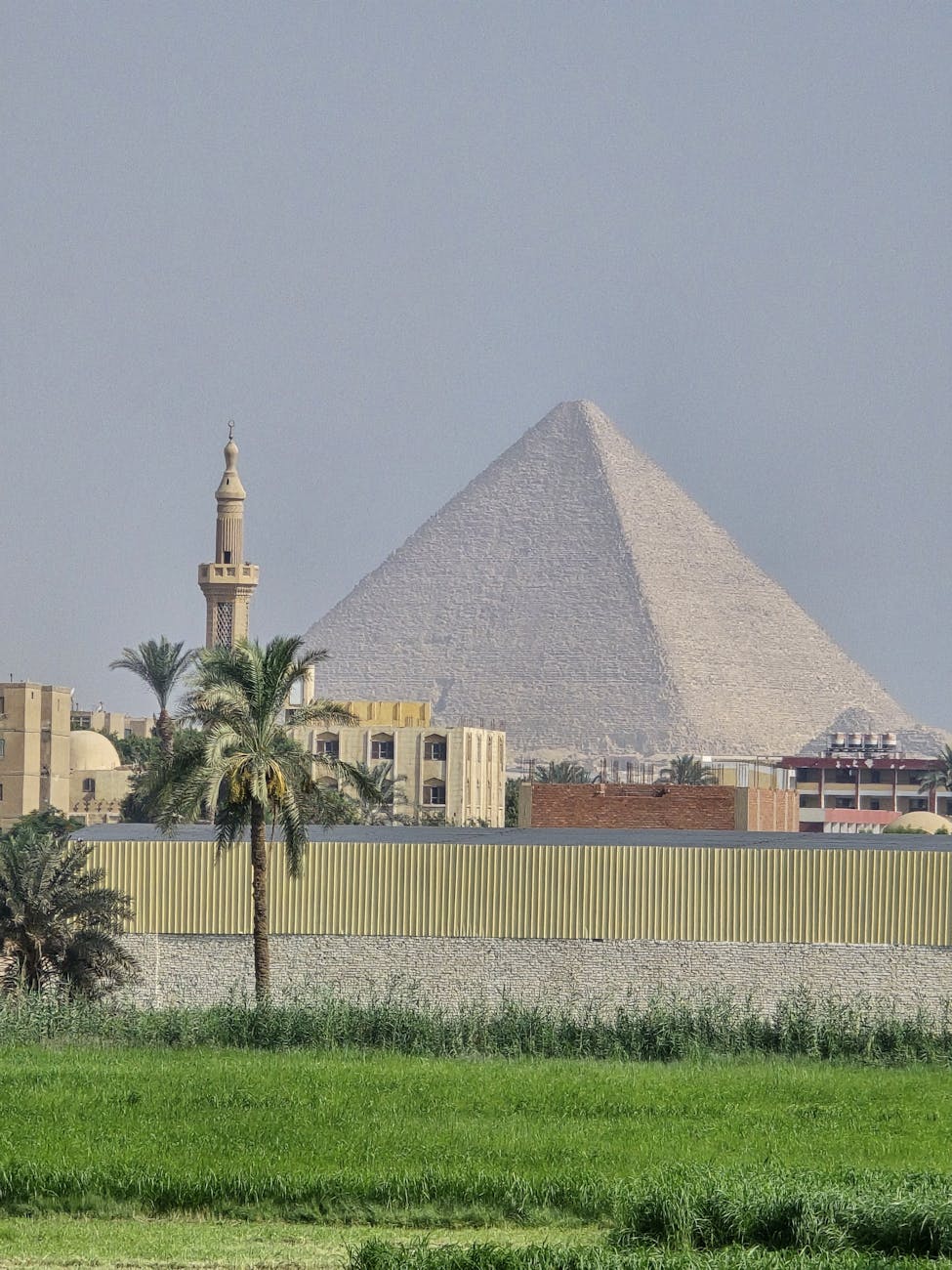
The choice of Cairo as the host city reflects a broader trend in the 2026 sports economy. Egypt has invested heavily in infrastructure to compete with other Middle Eastern nations for high-profile sporting events. The Sphinx Arena provided a breathtaking backdrop that combined ancient history with modern luxury broadcasting standards.
Industry analysts suggest that the Egyptian government’s “Vision 2030” initiative played a major role in securing the bout. This strategy aims to diversify the economy through international tourism and sports entertainment. The sold-out crowd of 45,000 spectators included dignitaries from across Africa and Europe, signalling a shift in boxing’s traditional power centres.
The commercial success of the event was also driven by the massive Dutch following that travelled to support Verhoeven. This crossover appeal between boxing and kickboxing fanbases resulted in record-breaking pay-per-view numbers in Western Europe. It demonstrates that “super-fights” involving athletes from different disciplines remain a primary driver of revenue in the current era.
What are the long-term implications for the heavyweight division?
This victory cements Usyk’s legacy as one of the most resilient champions in history. At 39 years old, his ability to withstand the pressure of a younger, stronger opponent is unprecedented. Critics who questioned his age were silenced by the explosive 11th-round flurry that forced the referee to intervene.
For Verhoeven, the defeat is far from a failure. He has arguably provided the toughest test for Usyk since his move to the heavyweight division. His performance opens the door for other elite mixed martial artists and kickboxers to challenge the boxing hierarchy. Promoters are already scouting similar high-profile matchups for the 2027 season.
The heavyweight landscape now looks toward a potential unification bout later this year. Usyk’s team has indicated a desire to face the winner of the upcoming London showdown between the rising British and American contenders. The boxing world remains captivated by Usyk’s technical mastery, which seems to improve even as his physical prime wanes.
Fans and analysts alike will remember the Cairo clash for its intensity and the sheer tactical brilliance of the champion. Usyk’s victory reinforces the importance of experience and mental fortitude in high-stakes competition. As the division evolves, the standard set by this 11-round war will serve as a benchmark for future title challengers looking to dethrone the king.


