
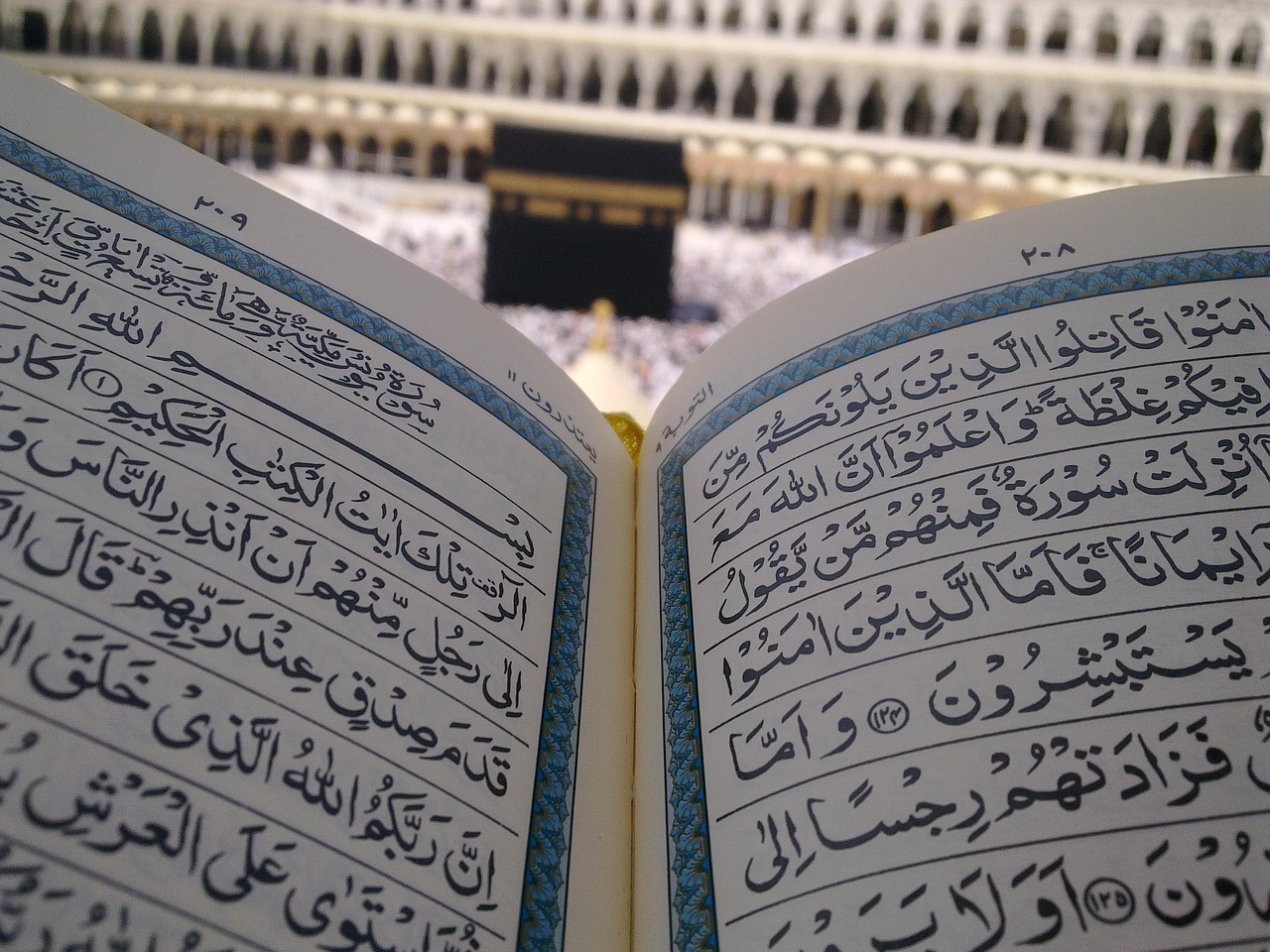
In June 2026, more than 1.5 million Muslims from across the globe arrived in Mecca, Saudi Arabia, to commence the Hajj 2026 pilgrimage. This sacred journey serves as a spiritual cornerstone for the global Muslim community. Despite complex regional tensions affecting travel, the event remains a symbol of unity and devotion. Readers will learn about the logistical innovations, safety protocols, and the profound personal impact of this year’s gathering.
- Saudi Arabia has deployed advanced AI-driven crowd management systems to ensure pilgrim safety.
- Climate-adaptive infrastructure now protects participants from record-breaking summer temperatures.
- Diplomatic corridors have remained open to facilitate safe passage for pilgrims from volatile regions.
How is Saudi Arabia managing record crowds in 2026?
The 2026 Hajj marks a significant milestone in Saudi Arabia’s Vision 2030 initiative. Authorities have expanded the capacity of the Grand Mosque and the surrounding holy sites. This expansion allows for a smoother flow of worshippers during the peak days of the ritual. The Ministry of Hajj has integrated the Nusuk digital platform to streamline visa processing and transport logistics.
Logistical success depends on precision and real-time data. High-speed rail networks now connect the holy cities of Mecca and Medina more efficiently than in previous years. These trains reduce travel time and minimize the carbon footprint of the event. Security personnel use biometric scanning to manage entry points and prevent overcrowding at the Jamarat Bridge.
Furthermore, the government has increased the number of multilingual guides. These professionals assist pilgrims in navigating the complex rituals. This support is vital for those visiting for the first time. The focus remains on providing a seamless experience for every individual, regardless of their country of origin.
What impact do regional tensions have on the 2026 pilgrimage?
Geopolitical shifts in the Middle East have created unique challenges for this year’s event. Despite these tensions, the Saudi government has maintained a policy of neutrality regarding religious access. Special flight paths and transit zones were established to assist those coming from areas of conflict. This ensures that the spiritual duty of Hajj remains separate from political disputes.
International observers note that the Hajj acts as a rare moment of regional de-escalation. Pilgrims from diverse backgrounds share the same space and purpose. This shared experience often fosters a sense of global brotherhood. Many participants describe the atmosphere as one of intense peace despite the external political climate.
“The Hajj is a reminder that our shared faith transcends any temporary political boundary or regional disagreement,” stated a representative from the Islamic Research Centre.
Organizers have also enhanced cybersecurity measures to protect the digital infrastructure of the pilgrimage. These measures prevent disruptions to travel and communication systems. Maintaining stability is a top priority for the host nation and the international community.
Why is heat mitigation a top priority for pilgrims?
The 2026 summer season has brought extreme temperatures to the Arabian Peninsula. To combat this, authorities have installed massive cooling towers and misting fans across all holy sites. These systems significantly reduce the risk of heatstroke among the elderly and vulnerable. Providing adequate hydration is another critical component of the safety strategy.
The official Saudi Ministry of Hajj and Umrah portal provides real-time weather alerts and health advice to pilgrims via mobile applications. These apps track the location of users to offer immediate assistance if a medical emergency occurs. Thousands of healthcare professionals are stationed in mobile clinics throughout Mina and Arafat.
Additionally, the “Smart Hajj” initiative includes wearable devices that monitor vital signs. These bracelets alert medical teams if a pilgrim shows symptoms of exhaustion. Such technological interventions have drastically lowered the mortality rates associated with heat in recent years. Education campaigns also encourage pilgrims to perform certain rituals during cooler evening hours.
How does the spiritual journey transform the modern pilgrim?
For many, the physical challenges of the Hajj are inseparable from the spiritual rewards. The journey requires immense patience, discipline, and physical endurance. Pilgrims often describe a feeling of rebirth after completing the final circumambulation of the Kaaba. This transformation is the primary motivation for millions who save money for years to attend.
The ritual of the Ihram, where pilgrims wear simple white garments, reinforces the concept of equality. In the eyes of the faith, there is no distinction between the wealthy and the poor during these days. This visual unity is a powerful testament to the core values of Islam. It serves as a profound psychological reset for those living in a highly stratified world.
Modern pilgrims also benefit from improved educational resources. Virtual reality simulations now help worshippers prepare for the physical layout of the sites before they arrive. This preparation reduces anxiety and allows for a deeper focus on prayer and reflection. The integration of technology has not diminished the sanctity of the event; rather, it has made it more accessible.
Future implications for the global pilgrimage industry
The success of the 2026 Hajj will likely set a new standard for mass gathering management. Other nations can learn from the integration of AI and biometric technology in crowd control. These innovations are applicable to large-scale sporting events and international festivals. The emphasis on sustainability and heat mitigation is particularly relevant in a changing global climate.
Furthermore, the continued growth of the Hajj economy supports thousands of jobs in the hospitality and transport sectors. This economic impact extends beyond Saudi Arabia to the home countries of the pilgrims. Travel agencies and airlines must adapt to the increasing demand for specialized religious tourism services. The industry is moving toward a model that prioritizes safety and personalized digital experiences.
As the final groups of pilgrims arrive, the focus shifts to the successful execution of the Day of Arafat. This day represents the pinnacle of the Hajj experience. Global health organizations continue to monitor the event to ensure that public health standards are met. The resilience of the Hajj in 2026 demonstrates the enduring power of faith in a complex, modern world. Pilgrims returning home will carry these lessons of patience and unity back to their local communities.


