
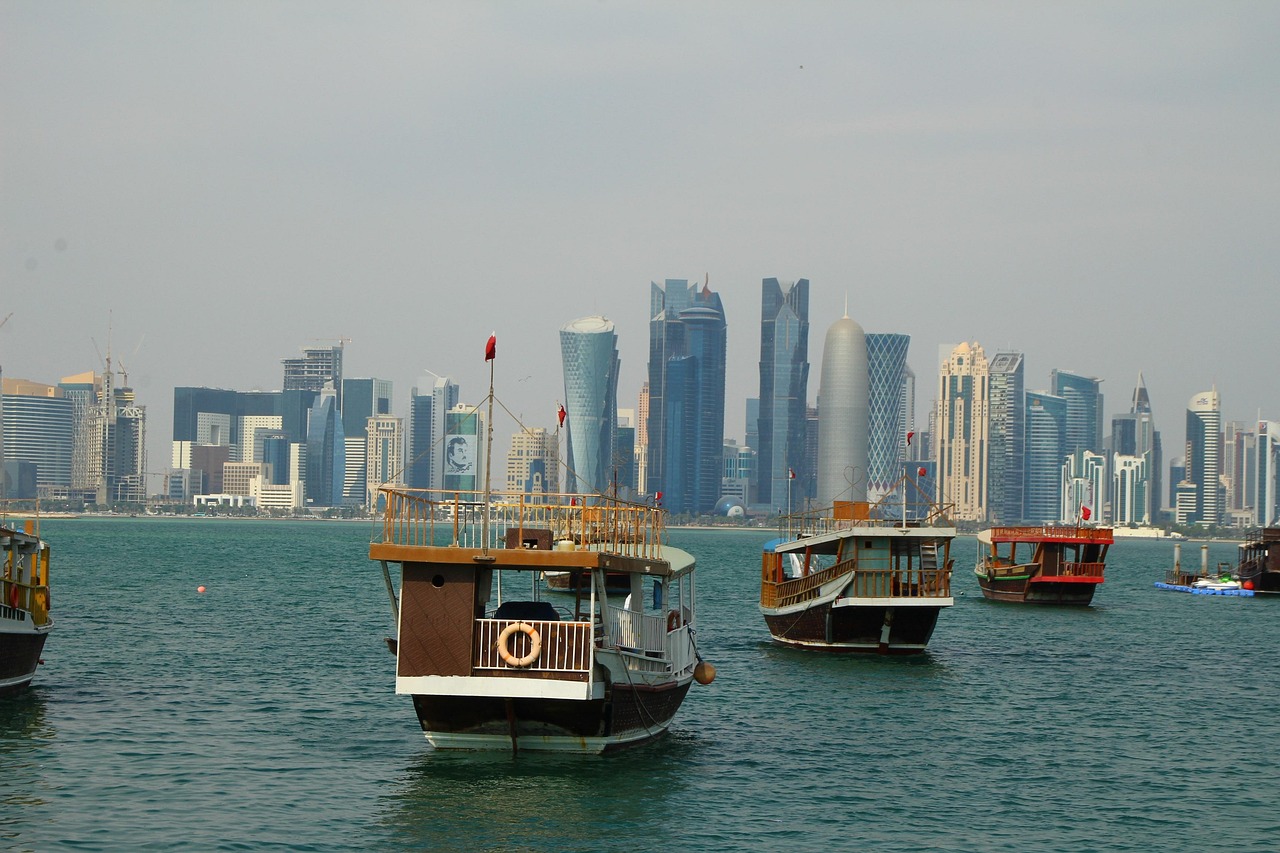
In a high-stakes display of coercive diplomacy, United States forces conducted targeted strikes against Iranian missile installations and naval vessels early this week, even as negotiators in Doha, Qatar, signalled that a significant diplomatic breakthrough could be reached within days. Senator Marco Rubio confirmed that the dual-track strategy aims to curb regional aggression while finalising an extension to the current ceasefire. This escalation in the Persian Gulf represents a pivotal moment for Middle East regional security and international energy stability in 2026.
“The window for a diplomatic resolution is open, but it will not remain so indefinitely if provocations continue,” stated a senior official involved in the Qatar talks.
- US military operations recently neutralised Iranian missile sites and maritime assets to deter regional escalations.
- Diplomatic delegations in Qatar are currently drafting a framework for a long-term ceasefire extension.
- Senator Marco Rubio indicates that a formal agreement could be signed before the end of the week.
- Global energy markets are monitoring the situation closely due to the strategic importance of the Strait of Hormuz.
The current friction follows a period of heightened naval activity and drone deployments across the region. For Canadian observers and the international community, these developments are crucial for maintaining maritime trade routes. Understanding the nuance between the military strikes and the concurrent diplomatic efforts is essential for grasping the current geopolitical landscape.
How do recent military actions influence the Qatar negotiations?
The US Department of Defence reported that the precision strikes were a direct response to threats against commercial shipping. By removing specific missile batteries, the US aims to reduce Iran’s leverage during the final stages of the Doha talks. Military analysts suggest this “talk and strike” approach is designed to show that diplomacy is not a sign of weakness.
In Qatar, the Iranian delegation has remained at the table despite the kinetic actions. This suggests a high level of domestic pressure within Tehran to secure sanctions relief. The negotiations focus on three primary pillars: nuclear enrichment limits, regional proxy activity, and the safety of international waters. If successful, the deal would provide a multi-year framework for stability.
Furthermore, the United Nations Security Council has been briefed on the situation to ensure that any new agreement aligns with existing international law. This involvement adds a layer of multi-lateral legitimacy to the bilateral tensions between Washington and Tehran. The role of mediator countries like Qatar remains indispensable for maintaining a neutral ground for these high-pressure dialogues.
What are the primary objectives of the 2026 Iran deal?
The proposed agreement seeks to address gaps left by previous iterations of nuclear and security accords. Negotiators are pushing for more intrusive inspections of sensitive sites to ensure compliance with enrichment caps. In exchange, Iran is seeking the phased removal of economic sanctions that have hampered its energy sector. This exchange is the central friction point that has delayed progress for months.
Senator Marco Rubio noted that the deal could take only a few more days to formalise if the Iranian side accepts the current verification protocols. The urgency is driven by the need to prevent a wider regional conflict that could draw in neighbouring states. Security experts point out that the current ceasefire is fragile and requires a formalised structure to prevent accidental escalations.
The impact on global maritime security
The Persian Gulf serves as a primary artery for global oil and liquefied natural gas (LNG) shipments. Any instability directly affects fuel prices in North America and Europe. By targeting Iranian boats used for harassment, the US military has temporarily secured these shipping lanes. However, a permanent diplomatic solution is the only way to ensure long-term predictability for global trade.
Recent data from maritime monitoring agencies shows a 15% decrease in insurance premiums for tankers when diplomatic progress is reported. Conversely, kinetic strikes usually cause a short-term spike in volatility. The 2026 negotiations are therefore as much about economic stability as they are about military deterrence. Canadian energy firms are particularly attentive to these shifts as they calibrate global supply chains.
Expert perspectives on the path forward
Geopolitical strategists argue that the success of this deal hinges on enforcement mechanisms. Unlike previous agreements, the 2026 framework reportedly includes “snapback” provisions that are easier to trigger. This provides the US and its allies with a faster route to reimpose sanctions if violations occur. This technical detail is a significant win for hardliners in the US government who were skeptical of previous diplomatic attempts.
On the other hand, humanitarian groups emphasise the need for the deal to succeed to alleviate the economic hardship faced by the Iranian population. A successful extension of the ceasefire would allow for the flow of medical supplies and essential goods. Balancing these humanitarian needs with strict security requirements remains the most difficult task for the diplomats in Doha.
As the deadline approaches, the presence of US naval assets in the region serves as a constant reminder of the stakes. The next 72 hours will likely determine the security architecture of the Middle East for the remainder of the decade. Stakeholders are prepared for both a historic signing ceremony and the possibility of a sudden breakdown in communication.
The convergence of military force and diplomatic finesse highlights the complexity of modern international relations. By maintaining a presence in the Gulf while engaging in Qatar, the US is attempting to dictate the terms of regional peace. For the global community, the hope is that these “few days” mentioned by Rubio result in a durable agreement that prevents further loss of life and economic disruption. Monitoring the official statements from Doha will provide the clearest indication of whether a peaceful resolution is truly within reach.


