
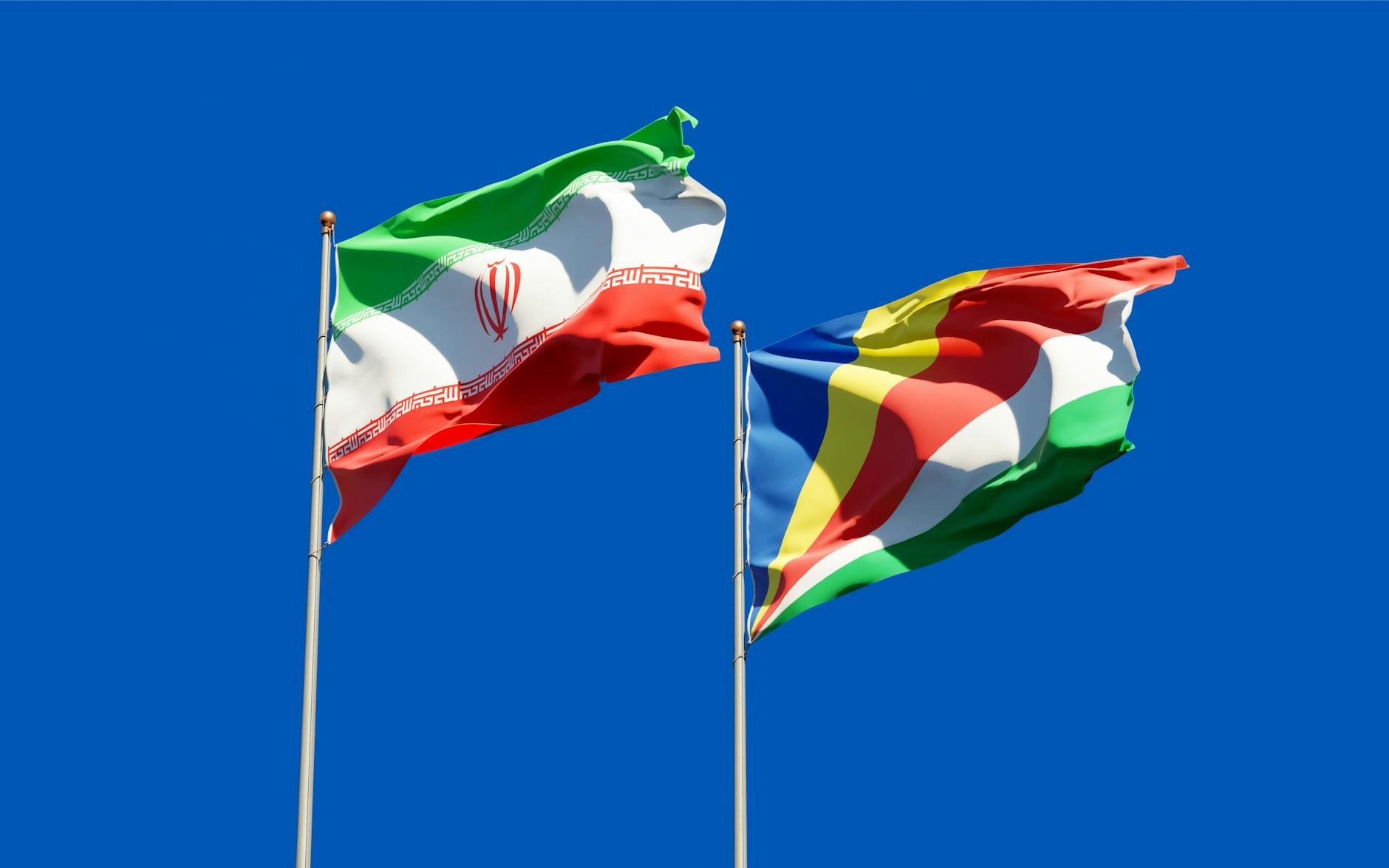
The United States and Iran reached a tentative agreement to extend their current ceasefire by an additional 60 days. This diplomatic breakthrough, confirmed by a senior U.S. source in Washington, aims to provide a stable window for renewed negotiations regarding Tehran’s nuclear programme and regional security. The deal signals a significant de-escalation in a three-month conflict that has disrupted global energy markets and heightened military tensions across the Middle East. Readers will learn how this U.S.-Iran ceasefire extension serves as a foundation for broader peace and what specific outcomes are expected from the upcoming nuclear dialogue.
- A 60-day extension of the ceasefire has been tentatively agreed upon by both Washington and Tehran.
- Formal negotiations regarding Iran’s nuclear enrichment levels will resume within the next two weeks.
- The agreement has already triggered a 4% decrease in global crude oil prices.
How does the U.S.-Iran ceasefire extension impact regional stability?
The immediate impact of the extension is a visible reduction in naval and aerial posturing in the Persian Gulf. For the past ninety days, both nations maintained high-alert status, leading to several near-miss encounters between maritime vessels. This 60-day window allows both militaries to step back from the brink of open warfare. It also provides a vital corridor for humanitarian aid to reach civilian populations affected by trade blockades. International observers believe this pause is the most substantial diplomatic opening since early 2024.
“This extension represents a critical opportunity for diplomacy to supersede military action in a region that has reached its breaking point.”
Furthermore, the ceasefire extension provides much-needed relief to global shipping lanes. Insurance premiums for tankers traversing the Strait of Hormuz have skyrocketed since the conflict began in mid-2026. This agreement suggests that both parties recognize the economic toll of continued hostilities. Consequently, regional allies are pivoting from defence readiness toward supporting the mediation process. The stability of the next two months hinges on both sides adhering to the non-aggression pact.
What are the primary goals of the upcoming nuclear talks?
The core of the upcoming discussions focuses on Tehran’s recent advancements in uranium enrichment. Washington demands a verifiable freeze on enrichment beyond 60% purity to prevent the development of weapons-grade material. Tehran, in exchange, seeks the phased removal of economic sanctions that have crippled its domestic energy and technology sectors. According to the International Atomic Energy Agency, consistent and transparent monitoring of nuclear sites remains the only way to build international trust.
Diplomats expect the talks to take place in a neutral third-party location, likely Muscat or Geneva. These sessions will involve technical experts who can define the parameters of a long-term monitoring framework. The 60-day limit creates a sense of urgency that previous rounds of talks lacked. Both sides understand that failure to reach a preliminary framework could lead to a resumption of hostilities. Therefore, the focus remains on tangible, measurable concessions rather than vague diplomatic promises.
How are global energy markets responding to the diplomatic breakthrough?
Global markets reacted with immediate optimism following the announcement of the tentative deal. Brent crude prices fell significantly as traders priced in a lower risk of supply disruptions. Analysts suggest that a permanent resolution could stabilise energy costs for the remainder of the 2026 fiscal year. This trend is particularly beneficial for European and North American economies struggling with persistent inflation. The prospect of Iranian oil officially returning to the market provides a bearish signal for long-term price projections.
Investment in regional infrastructure is also seeing a modest uptick. Companies that had paused operations in the Middle East are now re-evaluating their risk profiles. While the ceasefire is only tentative, the shift toward dialogue encourages capital flow back into emerging markets. However, some analysts warn that market volatility will persist until a formal nuclear treaty is signed. The next 60 days will serve as a litmus test for investor confidence in the region.
What are the implications for international diplomacy in 2026?
The U.S.-Iran ceasefire extension demonstrates that back-channel communication remains effective even during active conflict. It highlights the role of neutral intermediaries who have worked tirelessly to maintain a dialogue between Washington and Tehran. This model of “de-escalation through verification” could serve as a blueprint for other regional disputes. If successful, this process will validate the importance of multilateralism in an increasingly fragmented geopolitical landscape. Many nations are now looking to the United Nations to provide additional oversight for the upcoming talks.
Moreover, the success of this 60-day window relies heavily on domestic political support in both countries. In the United States, the administration faces pressure to ensure any deal is robust and enforceable. In Iran, the leadership must balance economic needs with national sovereignty concerns. The involvement of regional powers like Saudi Arabia and the UAE will also be crucial. These neighbouring states have a vested interest in ensuring that any nuclear agreement includes provisions for regional non-interference.
As the 60-day clock begins, the focus shifts from the battlefield to the negotiating table. This period offers a rare chance to address long-standing grievances through structured dialogue rather than kinetic force. The international community remains cautiously optimistic that this tentative deal will evolve into a durable peace framework. By prioritizing diplomacy, both nations have chosen a path that favors economic recovery and regional safety over the high costs of prolonged warfare.


