
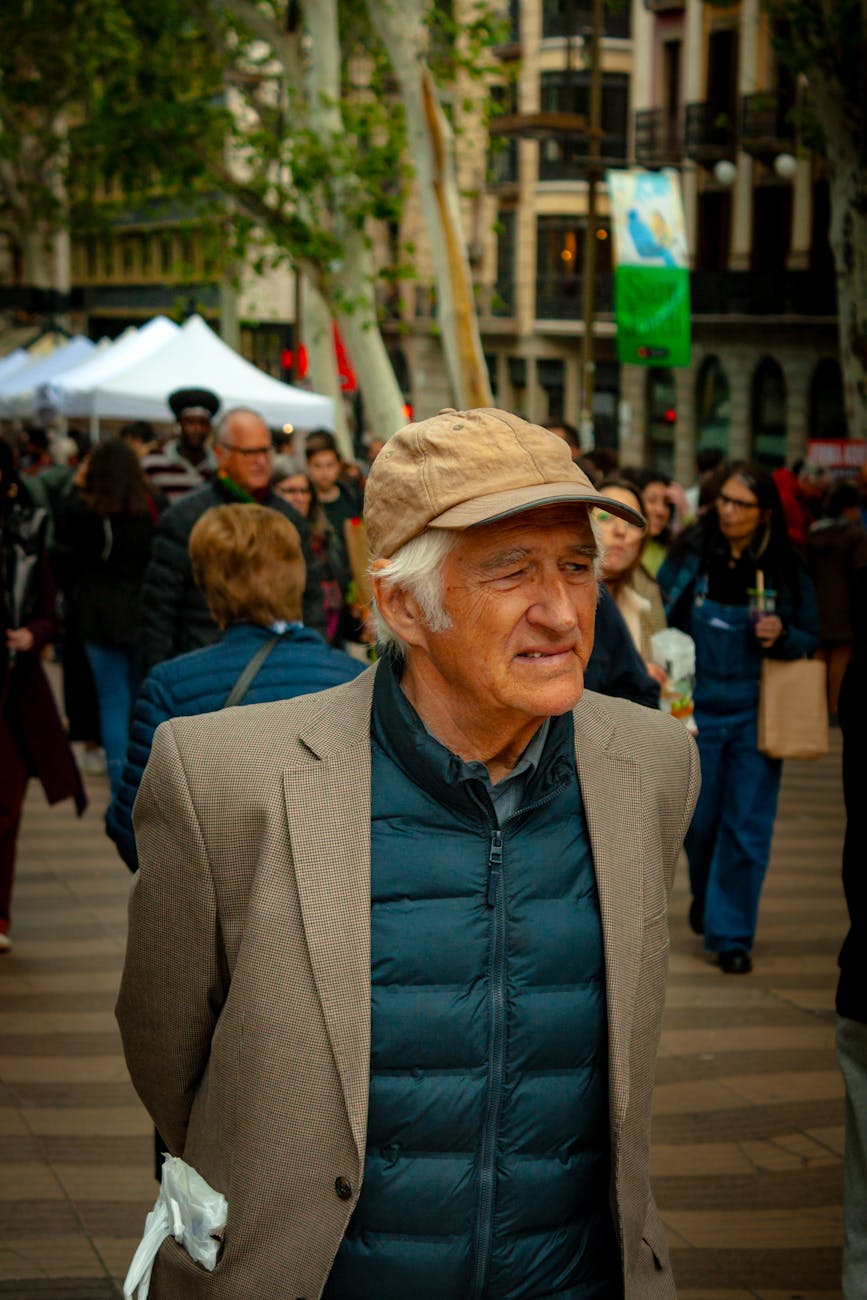
On June 7, 2026, 98-year-old Holocaust survivor Nate Leipciger will join an estimated 50,000 participants in the annual Walk for Israel in Toronto. Despite escalating threats from anti-Israel disruptors and a surge in public antisemitism, Leipciger remains resolute in his commitment to march through the city’s streets. This year’s event serves as a critical flashpoint for the Jewish community as they confront open hostility and demand greater protection from Canadian law enforcement and political leaders. You will learn how the 2026 Walk for Israel signifies a stand against modern hate and why survivors view this moment as a historical echo.
- Holocaust survivor Nate Leipciger leads the 2026 Walk for Israel to defy growing antisemitic intimidation.
- Community leaders report a significant rise in open hostility, drawing parallels to pre-war Europe.
- Organizers call for stronger government intervention to ensure participant safety during the June 7 event.
The Walk for Israel is a long-standing annual tradition in Toronto, celebrating Jewish identity and heritage. However, the 2026 iteration arrives during a period of heightened social friction and reported incidents of targeted harassment. For survivors like Leipciger, the march is no longer just a celebration but a necessary act of visibility.
Why is the 2026 Walk for Israel a pivotal moment for Toronto?
The atmosphere surrounding this year’s walk is notably different from previous decades. Social media platforms have become hubs for coordinating counter-protests aimed at disrupting the sanctioned parade route. One online video recently implored “people of conscience” to counter-walk against the event, using inflammatory language to target participants.
Leipciger, who carries the Auschwitz tattoo number 133628 on his arm, views these disruptions through a lens of survival. “That number represents life and it represents truth,” he stated during a recent Shabbat event. He insists that the current climate of Jew-hatred is no longer hidden but operates openly in Canadian society.
The Collective Makom, led by co-founders Carly Nemtean, Sharon Zohar, and Rocco Verrilli, has been active since 2023 in fighting these trends. They emphasize that the Jewish community must remain visible despite the threats. Their leadership focuses on ensuring that the horrors of the 1930s are never forgotten or repeated on Canadian soil.
How are Holocaust survivors responding to modern antisemitism?
For many survivors, the current landscape feels eerily familiar to the discrimination they faced in Europe. Leipciger recalls the restrictive laws of 1938 Poland, where Jewish citizens were barred from specific stores and facilities. He notes that similar patterns are emerging today, albeit in different forms.
“It reminds me of how in 1938 Jews were not allowed in certain stores. We live in a terrible world that is upside down, where the haters are being protected and the Jews are being kept out.”
This sentiment follows a troubling incident on Sheppard Avenue near Bathurst Street. Reports indicate that Toronto Police officers recently escorted a group of protesters into a local establishment while preventing Jewish residents from entering. Such incidents have fueled concerns that law enforcement is failing to provide equal protection to all citizens.
Survivors like Renate Krakauer and Gershon Willinger joined Leipciger at a special Shabbat Lyla event to reinforce their presence. They argue that hiding is not an option. Their collective stance is one of pride, urging the younger generation to remain vocal about their identity.
What measures are being taken to ensure participant safety?
The Walk for Israel is a permitted event that includes significant private investment in security and police presence. Organizers have expressed frustration that non-permitted counter-protesters often receive similar levels of police attention at the taxpayers’ expense. This has led to calls for more decisive action from municipal and federal leaders.
The legal framework for addressing these tensions remains a point of intense debate among experts. Under the Criminal Code of Canada, hate propaganda and the incitement of hatred against identifiable groups are serious offences. Community advocates argue that these laws must be applied more consistently to prevent the escalation of violence during public demonstrations.
Political figures, including Mayor Olivia Chow, Premier Doug Ford, and Prime Minister Mark Carney, are being urged to make stronger statements. Advocates suggest that their physical presence at the walk would send a clear signal that antisemitism has no place in Canada. Such gestures are seen as vital for maintaining social cohesion in a diverse urban environment.
What does this mean for the future of Canadian civil discourse?
The outcome of the June 7 walk will likely set the tone for public demonstrations in Toronto for the remainder of the year. If the event proceeds without violence, it may bolster confidence in the city’s ability to manage high-tension gatherings. Conversely, further disruptions could lead to more stringent regulations on protest zones.
The resilience of survivors like Nate Leipciger serves as a cornerstone for the community’s morale. By refusing to be intimidated, he provides a living example of the endurance required to face systemic hostility. His participation serves as a reminder that the right to walk freely in one’s city is a fundamental liberty that must be defended.
As the date approaches, the Jewish community continues to prepare for a record-breaking turnout. The focus remains on peaceful celebration and the affirmation of life. For Nate Leipciger, the choice is simple: he will be there, standing as a witness to both the past and the present. His presence ensures that the message of “never again” remains a proactive commitment rather than a historical footnote. Participants are encouraged to remain vigilant and proud as they exercise their right to assemble in the heart of Toronto.


