
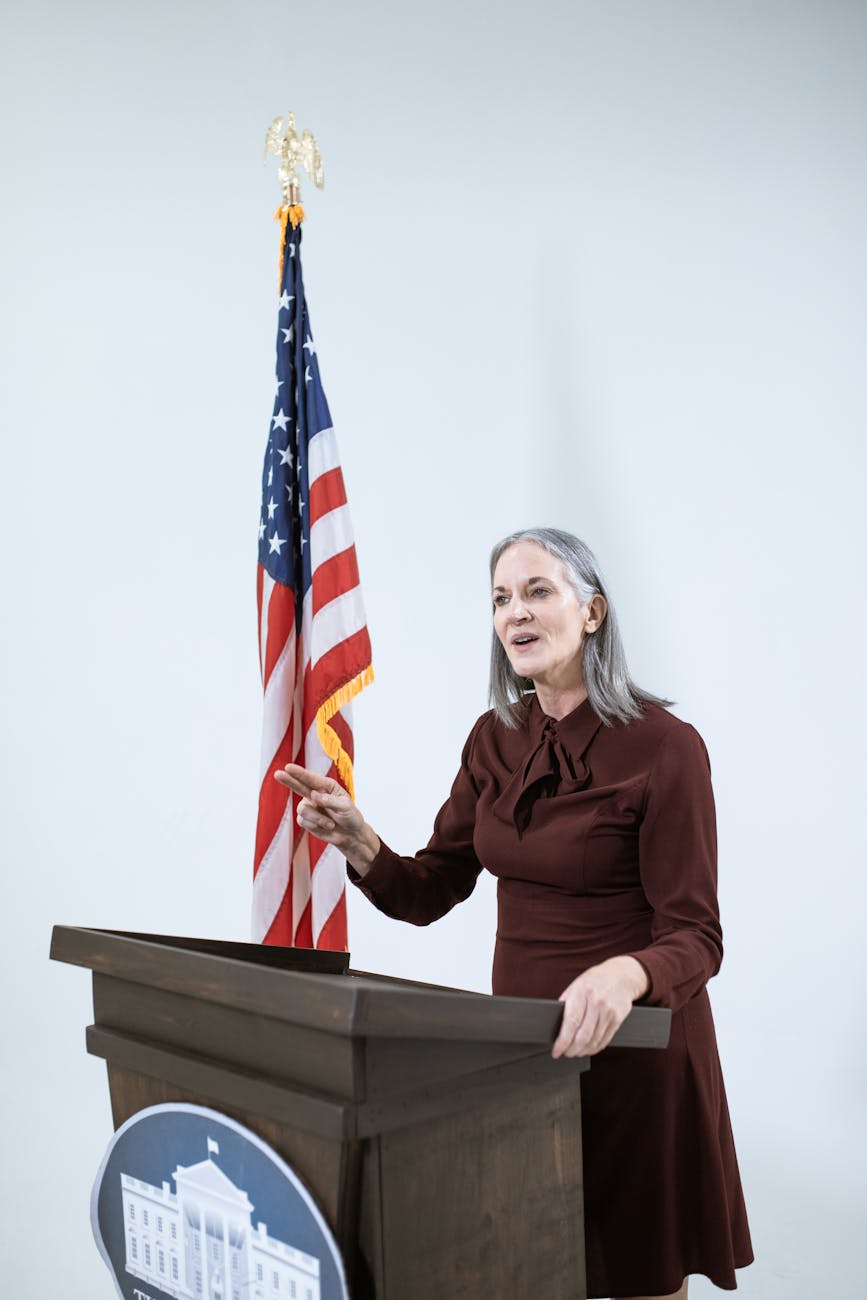
Kerry-Lynne Findlay secured the British Columbia Conservative Party leadership this past weekend, pivoting the party toward a “true blue” platform ahead of the 2026 provincial election. Her narrow victory in Vancouver marks a critical shift for the province’s right-leaning voters after a campaign defined by intense internal debate. Findlay now faces the immediate challenge of uniting a fractured membership while positioning the party as the primary alternative to the incumbent B.C. NDP. Readers will learn about Findlay’s strategic priorities, the internal hurdles facing the B.C. Conservative leadership in 2026, and how this victory reshapes the provincial political map.
- Findlay’s “true blue” platform focuses on cultural traditionalism and aggressive fiscal restructuring.
- Internal party unity remains a significant obstacle following a campaign marked by factionalism.
- The 2026 election cycle will test whether the party can expand its appeal beyond its traditional rural base.
How will Findlay bridge the gap between party factions?
The leadership race revealed deep ideological rifts within the party. Findlay won by a slim margin, suggesting that a significant portion of the membership remains cautious about her hardline stance. To govern effectively, she must reconcile the populist wing of the party with more moderate fiscal conservatives. This reconciliation is essential for building a stable platform that can withstand the pressures of a general election campaign.
Findlay’s supporters argue that her experience in federal politics provides the necessary gravitas to lead. However, critics within the party point to the acrimony of the leadership race as a sign of potential instability. The new leader has already begun reaching out to former rivals to offer roles within the shadow cabinet. This strategy aims to present a unified front to the public before the legislative session resumes.
“The path to victory in 2026 requires a movement that is both principled and inclusive of all conservative voices in British Columbia,” Findlay stated during her acceptance speech.
What does a “true blue” platform mean for B.C. voters?
Findlay’s platform emphasizes a return to core conservative values. This includes a focus on individual liberties, parental rights in education, and a skeptical view of current harm-reduction strategies in healthcare. These positions resonate strongly with the party’s base but may face scrutiny in urban centres like Vancouver and Victoria. The party intends to contrast these values sharply with the B.C. NDP’s social policies.
Economically, the “true blue” approach advocates for significant deregulation in the natural resource sector. Findlay has promised to streamline permit processes for mining and forestry projects. This policy seeks to revitalize rural economies that have felt neglected by recent provincial budgets. The party also proposes a comprehensive review of provincial spending to identify areas for immediate tax relief.
Contextualizing the rise of the B.C. Conservatives
The political landscape in British Columbia has shifted dramatically over the last two years. The collapse of the former B.C. United party created a vacuum on the centre-right of the spectrum. According to historical data from Elections BC, the surge in Conservative party registration reflects a broader realignment of voter intentions. This realignment has transformed the B.C. Conservatives from a fringe group into a legitimate contender for power.
Recent polling suggests that the party has gained significant ground in the Interior and the North. However, the Lower Mainland remains a competitive battleground where the party must soften its image to win over suburban voters. Findlay’s ability to navigate these regional nuances will determine the party’s ceiling in the upcoming 2026 vote.
Can the B.C. Conservatives maintain momentum until 2026?
Maintaining political momentum over the next several months requires consistent messaging and disciplined fundraising. The party has seen a record-breaking quarter for donations, but sustaining this level of support is difficult. Findlay must also manage the expectations of a base that is eager for rapid change. Any perceived shift toward the middle could alienate the very voters who secured her leadership victory.
The B.C. NDP, under Premier David Eby, has already begun targeting Findlay’s record. They frame her “true blue” stance as out of touch with mainstream British Columbian values. Consequently, the Conservative communication team is focusing on cost-of-living issues to keep the government on the defensive. They argue that the current administration’s policies have contributed to the province’s housing and affordability crisis.
Voters can expect a highly polarized campaign environment as 2026 approaches. The B.C. Conservatives are positioning themselves as the only party capable of delivering a fundamental change in direction. Whether Findlay can keep her party together long enough to deliver that message remains the central question of her leadership. The coming months will reveal if she can transform a narrow leadership win into a broad provincial mandate.
As the legislative session nears, Findlay’s performance in the house will be a crucial litmus test. She must demonstrate that she can translate her campaign rhetoric into effective policy critiques. For the B.C. Conservatives, the 2026 election represents a generational opportunity to redefine the province’s future. Success depends on their ability to turn internal diversity into a strategic advantage rather than a source of persistent conflict.


