
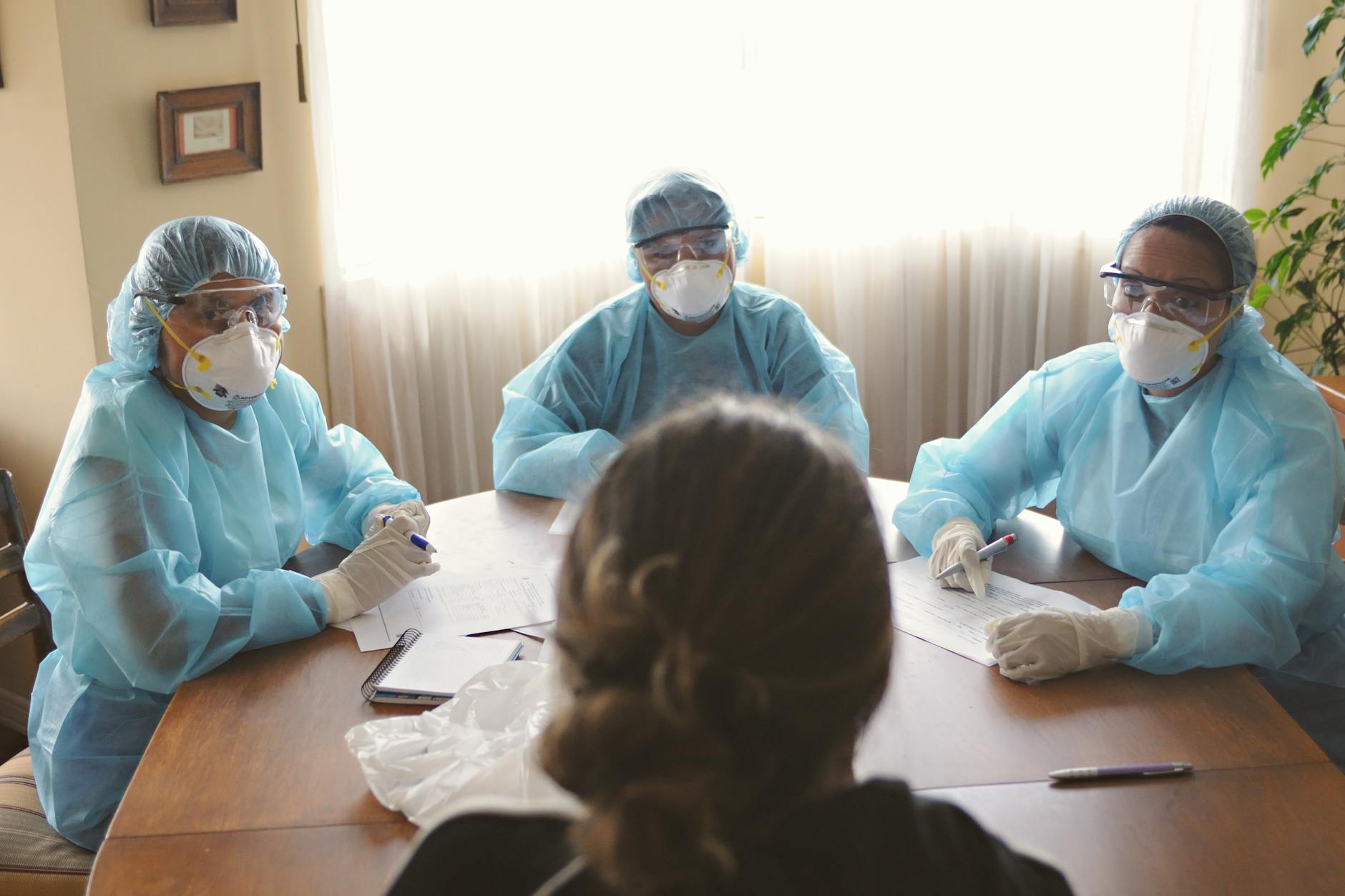
Health officials in the Democratic Republic of Congo (DRC) significantly expanded diagnostic testing protocols this week as the national Ebola caseload reached 260. This strategic surge in surveillance targets the North Kivu and Ituri provinces, where international health organisations warn that the true severity of the outbreak remains obscured by limited data. By deploying mobile laboratory units, the Ministry of Health aims to identify undetected transmission chains and curb the risk of a cross-border epidemic. In this article, you will learn about the current 2026 Ebola testing expansion in Congo, the factors hindering containment, and the international response to this viral threat.
- Confirmed Ebola cases have reached 260, with health officials fearing many more remain unrecorded.
- New mobile testing units are being deployed to remote regions to decrease diagnostic turnaround times.
- Insecurity and community mistrust continue to impede frontline medical interventions and contact tracing.
Why is the true scale of the Congo Ebola outbreak unknown?
The current epidemiological situation in the eastern DRC presents a complex challenge for global health monitors. While 260 cases are officially confirmed, the “true scale and severity” of the event are difficult to measure due to geographic isolation. Many affected communities reside in dense forest areas with limited infrastructure, making regular health reporting nearly impossible.
Furthermore, the region has faced decades of intermittent conflict, which disrupts the continuity of healthcare services. When medical teams cannot safely enter a zone, viral transmission continues without oversight. This lack of access creates “blind spots” where the virus can circulate among families before a cluster is eventually identified by authorities.
Historical data suggests that for every confirmed case in such environments, several others may go unreported. Health workers are now prioritising community engagement to bridge the gap between clinical teams and local residents. Building trust is essential to ensure that symptomatic individuals seek help at designated treatment centres rather than remaining at home.
How will expanded testing impact the 2026 response strategy?
The expansion of diagnostic capabilities represents a pivot toward a more aggressive containment strategy. By increasing the number of sites capable of processing GeneXpert samples, the Ministry of Health reduces the time between symptom onset and isolation. Rapid testing is the cornerstone of preventing the exponential growth of viral hemorrhagic fevers in high-density areas.
Mobile laboratories are now moving into transit heatmaps where trade and migration are most frequent. These units allow technicians to provide results within hours rather than days. This speed is vital for contact tracing teams who must identify and monitor anyone exposed to an infected individual during their most infectious period.
According to the World Health Organization, timely laboratory confirmation is the primary factor in reducing the case fatality rate during an Ebola virus disease outbreak. Without these expanded facilities, the healthcare system remains reactive rather than proactive. The current initiative also includes training for local healthcare providers to recognise early symptoms that often mimic malaria or typhoid.
“The deployment of advanced diagnostic tools to the epicentre is our best chance at breaking the chains of transmission before they reach major urban hubs.”
What are the primary barriers to containing the virus?
Despite the influx of testing resources, logistical and security barriers remain formidable. Armed groups operating in North Kivu frequently restrict the movement of humanitarian convoys. This insecurity necessitates armed escorts for medical teams, which can sometimes increase community anxiety and decrease cooperation with health directives.
Misinformation also plays a significant role in the persistence of the outbreak. Rumours regarding the origins of the virus or the intentions of medical staff can lead to the avoidance of treatment centres. In some instances, families have hidden sick relatives to avoid the perceived stigma of a positive diagnosis or the disruption of traditional burial practices.
Health officials are counteracting these barriers by involving local leaders and traditional healers in the response. By integrating cultural sensitivities into the medical framework, the government hopes to increase the rate of voluntary testing. Success depends on the ability of the state to provide not just medicine, but also safety and clear communication to its citizens.
What does the surge mean for regional health security?
The rise to 260 cases has put neighbouring countries on high alert. Uganda, Rwanda, and South Sudan have increased screening at border crossings to prevent the virus from traveling through trade routes. The international community is monitoring these borders closely, as a single undetected case in a regional transport hub could trigger a multi-country crisis.
Vaccination campaigns are currently running in tandem with the expanded testing. Frontline workers and high-risk contacts are receiving the latest iteration of the Ebola vaccine, which has proven highly effective in previous years. However, the vaccine is only one part of a holistic strategy that must include isolation, safe burials, and robust laboratory support.
Economic stability in the DRC is also at risk if the outbreak continues to grow. Quarantines and travel restrictions can stifle local markets and disrupt the supply of essential goods. Therefore, the rapid containment of this outbreak is not only a medical necessity but a socio-economic priority for the entire Great Lakes region of Africa.
As the Ministry of Health and international partners scale up their presence, the focus remains on reaching the most vulnerable populations. The coming weeks will be critical in determining if the expanded testing can successfully map the virus’s footprint. Maintaining a transparent flow of data will allow for the efficient allocation of medical supplies and personnel to the areas of highest need. Strengthening the local diagnostic infrastructure ensures that the DRC is better prepared for both the current crisis and future public health threats.


