
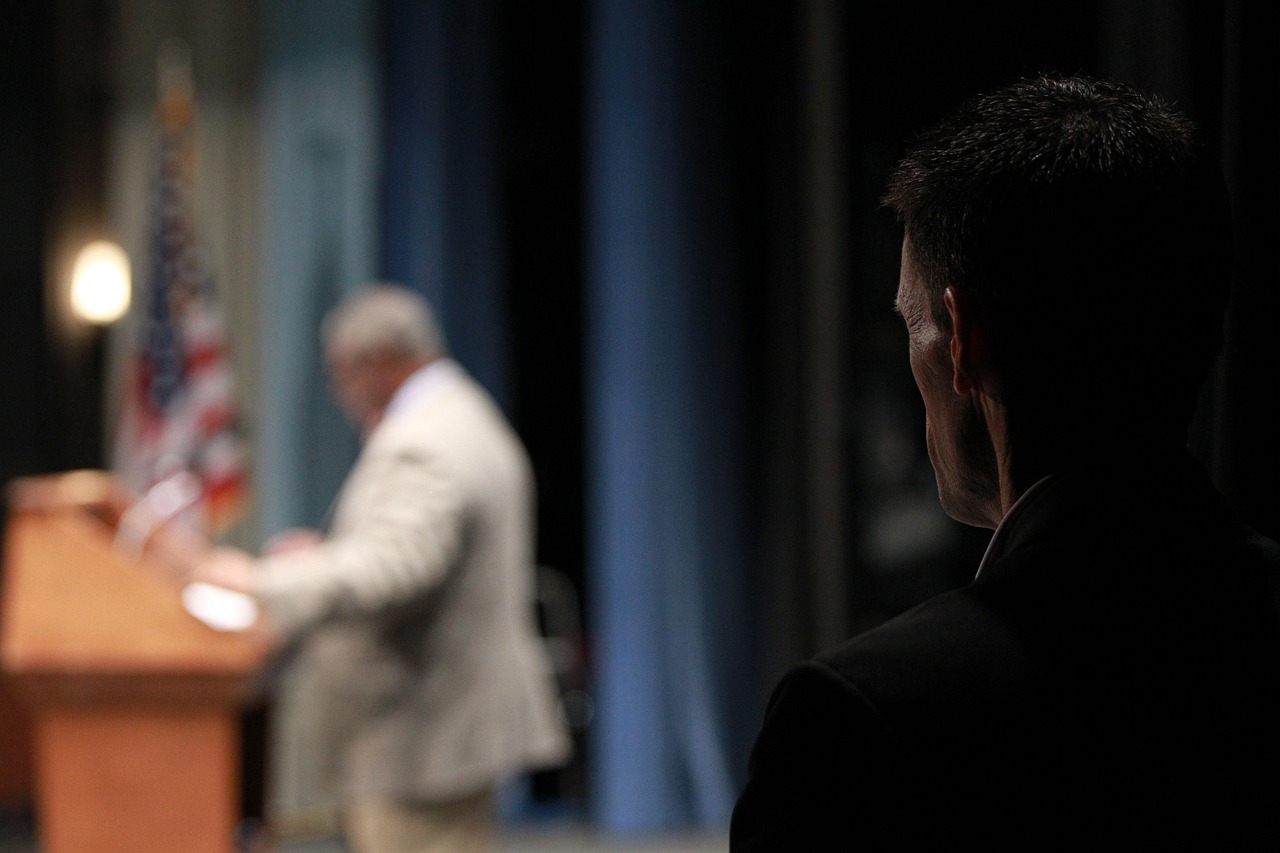
On the evening of January 12, 2026, Prime Minister Mark Carney addressed a capacity audience at a historic Toronto synagogue to unveil his “Covenant” strategy, a comprehensive federal response to the rising tide of antisemitic incidents across Canada. By framing the protection of the Jewish community as a foundational civic duty rather than a niche concern, Carney signalled a pivot in national policy toward systemic legislative action and enhanced security protocols. Readers will learn how this new framework intends to reshape Canadian hate crime legislation and provide sustainable funding for community safety. This address marks a significant moment in Carney’s premiership as he attempts to bridge deep societal divides through a mixture of philosophical rigour and practical policy.
- The “Covenant” framework redefines antisemitism as a collective Canadian crisis requiring a multi-sector response.
- New federal initiatives include increased funding for the Security Infrastructure Program (SIP) and streamlined hate crime reporting.
- The Prime Minister draws on classical philosophy and Holocaust testimony to advocate for a renewed social contract.
What is the context behind the “Covenant” initiative?
The Prime Minister’s speech comes at a time of heightened social tension and a documented increase in targeted harassment. Over the past twenty-four months, Canadian law enforcement agencies have reported a surge in hate-motivated crimes, with Jewish institutions frequently serving as the primary targets. This trend has prompted calls from advocacy groups for a more robust federal intervention that moves beyond rhetoric.
Carney’s transition from a global financial leader to the head of the Canadian government has been defined by his focus on “value-based” governance. In this address, he applied that logic to social cohesion, arguing that a democracy is only as strong as its commitment to its most vulnerable minorities. He noted that the current climate of fear in schools and places of worship is incompatible with Canadian charter values.
To support his claims regarding the scale of the challenge, Carney referenced recent data indicating that hate crimes in urban centres have reached record highs. According to the most recent Statistics Canada reports on police-reported hate crimes, incidents targeting religious groups have seen a disproportionate rise, necessitating a shift in how federal resources are allocated to local police services.
How does the Prime Minister use philosophy to frame the issue?
The speech was notable for its intellectual depth, weaving together the insights of ancient prophets and modern thinkers. Carney quoted the prophets Isaiah and Amos to highlight the moral imperative of justice and the protection of the marginalized. These religious texts served as a bridge to the Jewish audience, acknowledging the deep historical roots of their current anxieties.
Beyond theology, the Prime Minister invoked the virtue ethics of Aristotle and the contemporary insights of Canadian philosopher Charles Taylor. He argued that a “covenant” is distinct from a simple legal contract; it is an enduring promise that binds a community together through shared values and mutual recognition. This philosophical approach aims to move the conversation from political debate to moral necessity.
Carney also paid tribute to the late Nobel Laureate Elie Wiesel, quoting his famous assertion that neutrality only helps the oppressor. By doing so, he challenged the broader Canadian public to abandon a stance of passive concern. He insisted that the burden of fighting antisemitism must not fall solely on the shoulders of the Jewish community but must be a shared national project.
What are the specific policy implications for Canadians?
The “Covenant” is not merely a rhetorical device; it includes several concrete policy shifts intended to take effect by the summer of 2026. Central to the plan is a significant expansion of the Security Infrastructure Program, which provides grants to community centres and places of worship for physical security upgrades. The new funding model aims to reduce the bureaucratic hurdles that previously slowed the distribution of these essential funds.
Furthermore, the Prime Minister announced the creation of a specialized federal task force dedicated to monitoring and mitigating online hate speech. This unit will work closely with social media platforms to ensure that Canadian laws regarding the incitement of violence are strictly enforced. The government also plans to introduce new educational modules in federal training programmes to help public servants identify and address unconscious bias and antisemitic tropes.
“Justice is not a static state, but a constant pursuit that requires the active participation of every citizen,” Carney stated during the most stirring portion of his address.
How did the community and experts react to the speech?
The reaction within the synagogue was one of cautious optimism, with many attendees praising the Prime Minister’s willingness to engage with the historical and philosophical dimensions of the problem. Community leaders noted that while the rhetoric was powerful, the ultimate success of the “Covenant” will depend on the consistent application of the law and the sustained provision of security resources.
Legal experts have pointed out that the proposed changes to hate crime reporting could lead to more successful prosecutions. By standardizing how police services across provinces collect data and investigate threats, the federal government hopes to create a more formidable deterrent against hate-motivated violence. This systemic approach is seen as a necessary evolution in Canada’s legal framework.
Critics, however, suggest that the government must be careful to balance these new security measures with the protection of free speech. The Prime Minister addressed these concerns by emphasizing that the “Covenant” is designed to protect the safety of individuals, not to stifle legitimate political disagreement. He maintained that the line between criticism and hate is clear when it involves the dehumanization of an entire community.
As the 2026 legislative session continues, the implementation of these proposals will be a key metric of the Carney government’s domestic success. The “Covenant” represents a bold attempt to redefine the relationship between the state and its diverse citizens during a period of global instability. By grounding his policy in the timeless principles of justice and mutual obligation, the Prime Minister has set a high standard for the national dialogue on human rights and community safety. Moving forward, the focus will remain on ensuring these promises translate into a tangible sense of security for all Canadians in their daily lives.


