
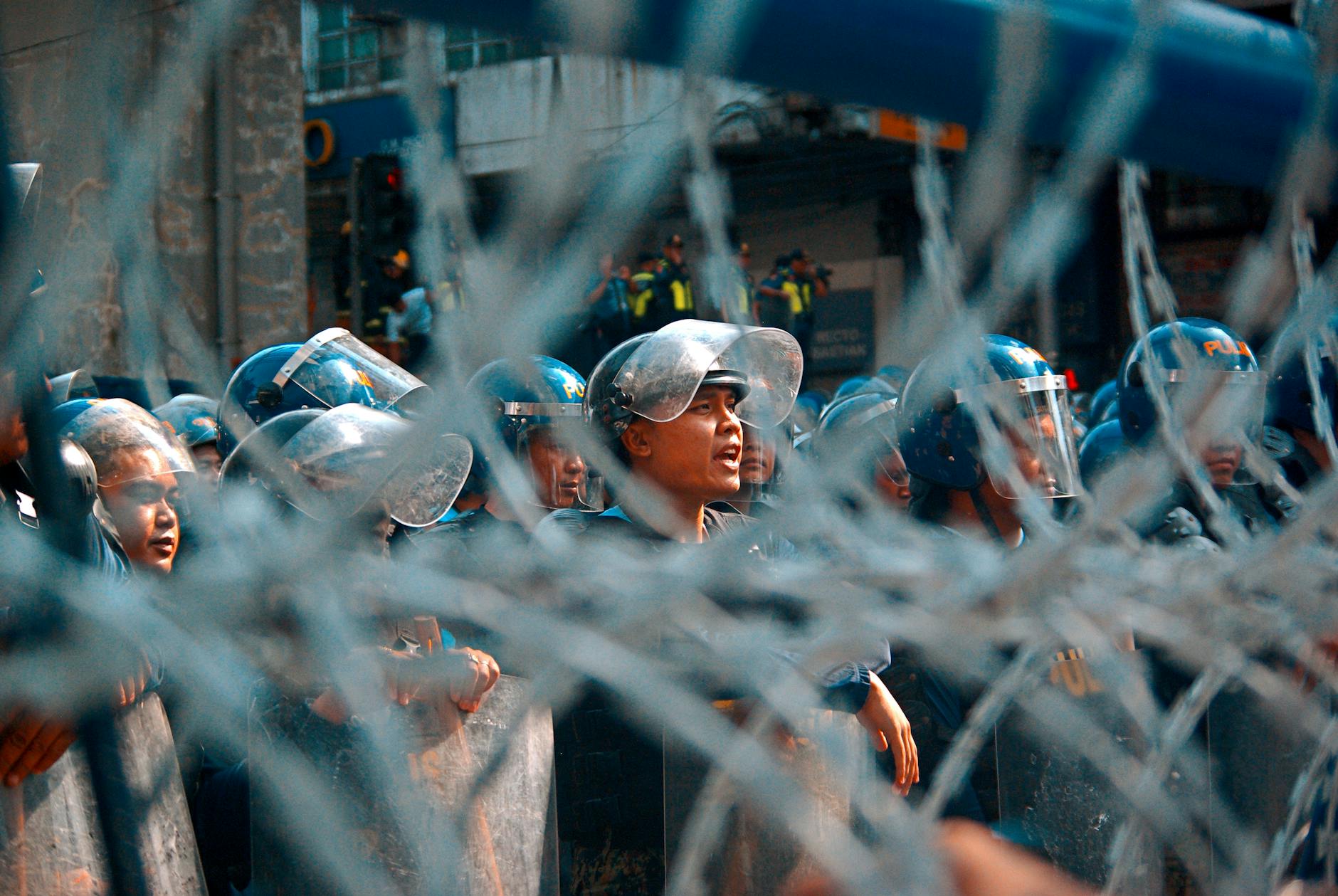
In May 2026, thousands of Mexican educators from the National Coordinator of Education Workers (CNTE) clashed with riot police in Mexico City, sparking concerns over 2026 World Cup security Mexico. The protesters are demanding immediate pension reforms and a 100 percent wage increase, strategically timing their demonstrations to coincide with the final preparations for the global tournament. With the opening match at Estadio Azteca just weeks away, the federal government faces mounting pressure to resolve these labour disputes to ensure the safety of millions of visiting fans and athletes.
- Teachers are demanding a total overhaul of the current pension system and a significant wage hike to match inflation.
- Protest blockades have targeted major transit veins in Mexico City, Guadalajara, and Monterrey.
- FIFA officials and local organizers are coordinating with federal security forces to maintain access to stadiums.
- Travelers are advised to monitor local updates as demonstrations may impact airport transit and match-day logistics.
The current unrest stems from years of friction between the Mexican government and the dissident teachers’ unions. Historically, these groups have used large-scale public demonstrations to leverage political concessions. By targeting the window immediately preceding the 2026 World Cup, the unions aim to maximize international visibility and pressure the administration into a favourable settlement. This tactic has previously seen success during other major political cycles, but the scale of the upcoming tournament brings unprecedented stakes for national reputation and economic revenue.
Why are Mexican teachers protesting before the 2026 World Cup?
The primary driver of the current unrest is the demand for a repeal of the 2019 educational reforms, which teachers argue did not go far enough in restoring labour rights. Protesters are calling for the “indexation” of pensions to the current cost of living, claiming that the current system leaves retired educators in poverty. Furthermore, the unions are demanding a permanent 100 percent increase in the base salary for primary and secondary school teachers across the country. These financial demands come at a time when the Mexican government has allocated significant funds to infrastructure and security for the tournament.
Clashes intensified this week when police attempted to clear a blockade on the Paseo de la Reforma, a central artery in Mexico City. Protesters used buses and temporary encampments to obstruct traffic, leading to a confrontation involving tear gas and physical barriers. While the government maintains that it is open to dialogue, union leaders insist that they will not vacate the streets until a signed agreement is reached. This stalemate has raised the spectre of prolonged disruptions during the tournament’s group stages.
How will these demonstrations impact World Cup fans?
For international visitors, the most immediate concern involves logistical delays. The protests have frequently targeted roads leading to Benito Juarez International Airport and the surrounding areas of the Estadio Azteca. Fans arriving for the opening matches may encounter significant traffic diversions or public transit suspensions. Local authorities have suggested that fans allow at least four hours of travel time for any match-day movement within the capital. Security experts also warn that while the protests are not directed at tourists, the proximity of clashes to fan zones could present incidental safety risks.
In addition to transit issues, the demonstrations have affected some hotel operations in the city centre. Several delegations have reportedly considered moving their base camps to more secluded areas to avoid the noise and potential volatility of the downtown protests. Despite these challenges, the Mexican Organizing Committee has reassured the public that stadium perimeters will remain secure. They have implemented a “triple-ring” security protocol involving the National Guard and private security firms to prevent any unauthorized entry or disruption to the matches themselves.
What is the government’s security strategy for the tournament?
The Mexican federal government has deployed over 10,000 additional National Guard members to the three host cities: Mexico City, Guadalajara, and Monterrey. This deployment is intended to balance the right to protest with the necessity of maintaining public order. Officials have stated that while they respect the teachers’ grievances, they will not allow the “sabotage” of an event that is expected to bring billions of dollars in tourism revenue to the country. The government is currently following official Government of Canada travel advisories regarding high-security events to ensure international standards are met.
Data from previous large-scale events in Mexico suggest that the government may eventually offer a partial wage increase to de-escalate the situation before the first whistle blows. However, the teachers’ unions have become more sophisticated in their coordination, using social media to synchronize blockades across multiple states. This decentralized approach makes it difficult for security forces to predict where the next flashpoint will occur. The integration of intelligence-led policing and real-time drone surveillance is currently being used to monitor the movement of large crowds near sensitive tournament infrastructure.
Expert perspectives on labour volatility
Economic analysts suggest that the cost of meeting the teachers’ demands would be substantial, yet potentially lower than the economic loss of a disrupted World Cup. “The government is in a difficult position,” says Dr. Elena Ramirez, a political scientist specializing in Latin American labour movements. “If they give in completely, they set a precedent for every other public sector union. If they don’t, they risk the optics of a chaotic tournament on the world stage.” This delicate balancing act will likely continue until the very eve of the opening ceremony.
Security consultants also point out that the 2026 World Cup is a tri-national effort. Any perceived instability in Mexico could affect the overall coordination with Canada and the United States. Consequently, there is significant behind-the-scenes diplomatic pressure to resolve the domestic disputes quickly. The focus remains on ensuring that the narrative of the 2026 World Cup is one of sporting excellence rather than civil unrest.
Managing travel expectations during the opening matches
Travelers should remain proactive by downloading official tournament apps that provide real-time traffic and security alerts. It is also recommended to use the Metro system where possible, as underground lines are less likely to be affected by street-level blockades than taxis or shuttle buses. Registering with your respective embassy or consulate can provide an extra layer of safety, ensuring you receive the latest updates on any developing situations in the host cities.
Staying informed and flexible is the best strategy for navigating the 2026 World Cup in Mexico. By monitoring local news and following the guidance of tournament staff, fans can minimize the impact of the ongoing protests on their experience. The goal for both the government and the protesters remains a peaceful resolution that allows the cultural and sporting celebration to proceed without further incident. Planning for extra transit time and staying clear of demonstration epicentres will help ensure your trip remains focused on the excitement of the game.


