
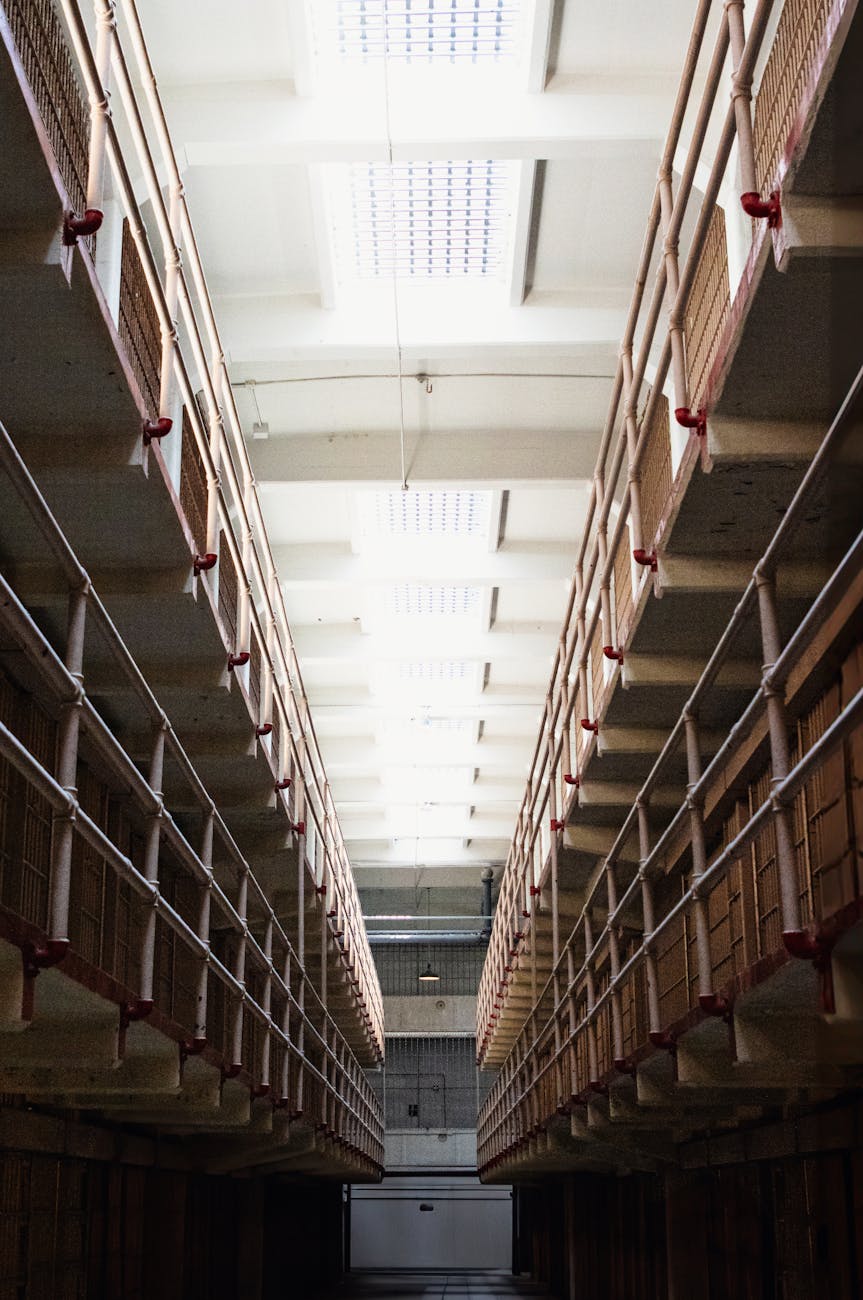
In January 2026, several Western European nations, led by Belgium and France, reported record-high prison occupancy rates that frequently exceed 120% of designed capacity. This worsening trend in some of the world’s wealthiest nations stems from outdated infrastructure and a surge in short-term sentencing, forcing judicial systems to reconsider detention policies to avoid total system collapse. In this article, you will learn about the current state of the European prison overcrowding crisis in 2026, the specific factors causing this decline in human rights, and the legislative shifts aimed at modernizing the penal system to ensure inmate safety and rehabilitation.
- Occupancy rates in Belgian facilities have surpassed 125%, leading to inmates sleeping on mattresses on floors.
- The Council of Europe has issued formal warnings regarding systemic human rights violations in Western penal systems.
- Governments are pivoting toward “house arrest first” policies and electronic monitoring to alleviate physical space constraints.
The current crisis is not a new phenomenon, but it has reached a critical tipping point in 2026. For years, human rights organizations have warned that the gap between criminal justice policies and available infrastructure was widening. While Eastern European nations have made strides in reducing their prison populations, the trend has reversed in the West. Belgium, in particular, has become a focal point for this struggle, where aging facilities and a lack of staff have created an environment described by advocates as inhumane. These conditions have led to frequent strikes by prison guards, further destabilizing the safety of both staff and residents.
What is driving the 2026 prison capacity surge in Belgium?
The primary driver of the capacity crisis is the continued use of short-term custodial sentences for non-violent offences. Despite recommendations to utilize community service or fines, the Belgian judicial system continues to rely heavily on incarceration. This practice has led to a phenomenon known as “penal inflation,” where the threshold for sending an individual to jail has steadily lowered over the past decade. Furthermore, the slow pace of judicial proceedings means that a significant portion of the population consists of remand prisoners—those awaiting trial who have not yet been convicted.
Data from the most recent 2025-2026 reporting period indicates that the density of the prison population in Belgium is among the highest in the Eurozone. Facilities designed for 10,000 inmates are currently housing nearly 12,600 individuals. This overcrowding directly correlates with a rise in violence, self-harm, and the rapid spread of infectious diseases. The physical environment has deteriorated to the point where basic hygiene and privacy are no longer guaranteed, effectively turning correctional centres into warehouses for the marginalized.
“The conditions inside our jails have become a stain on our democratic values. When you treat people like mice in a cage, you cannot expect them to reintegrate into society as functioning citizens.”
How do deteriorating conditions impact inmate rehabilitation?
Overcrowding effectively halts all rehabilitation programmes. When a facility is operating at 125% capacity, common areas, classrooms, and workshops are often repurposed as temporary sleeping quarters. This lack of space means that vocational training and psychological support services are suspended. Without these interventions, the likelihood of recidivism increases significantly, creating a vicious cycle that further swells the prison population in the long term.
International bodies have taken notice of this systemic failure. The Council of Europe has repeatedly highlighted that overcrowding is a major obstacle to the humane treatment of detainees. According to the official Council of Europe standards, the lack of personal space and the inability to provide meaningful activity constitute a breach of the European Convention on Human Rights. These legal pressures are now forcing national governments to pay significant fines and damages to former inmates who successfully sue the state for poor conditions.
What legal measures are European governments implementing now?
To combat the crisis, Belgium and its neighbours are moving toward radical legislative reforms. The “Electronic Monitoring First” initiative is one such programme being fast-tracked in 2026. This policy mandates that for any sentence under three years, judges must first consider electronic tagging and home confinement unless the individual poses a direct threat to public safety. This shift aims to keep non-violent offenders in the workforce and with their families, reducing the burden on the state and preventing the social dislocation that often leads to further crime.
In addition to sentencing reform, there is a renewed focus on “prison architecture for dignity.” New facilities currently under construction are being designed with smaller, modular units that prioritize mental health and social interaction. However, experts argue that building more prisons is a temporary fix. The real solution lies in addressing the root causes of crime, such as poverty and substance abuse, rather than simply expanding the capacity to punish. European leaders are now debating a unified penal code that would standardize minimum living conditions and maximum occupancy limits across the European Union.
The transition toward a more sustainable justice system requires a fundamental shift in public perception. As long as incarceration is viewed as the only valid form of punishment, the infrastructure will continue to buckle under the weight of demand. By prioritizing rehabilitation and alternative sentencing, Western Europe can begin to dismantle the “cage” and restore the focus on social reintegration. The coming months will be decisive as these new policies are tested against the reality of a system that has been pushed to its absolute limit.


