
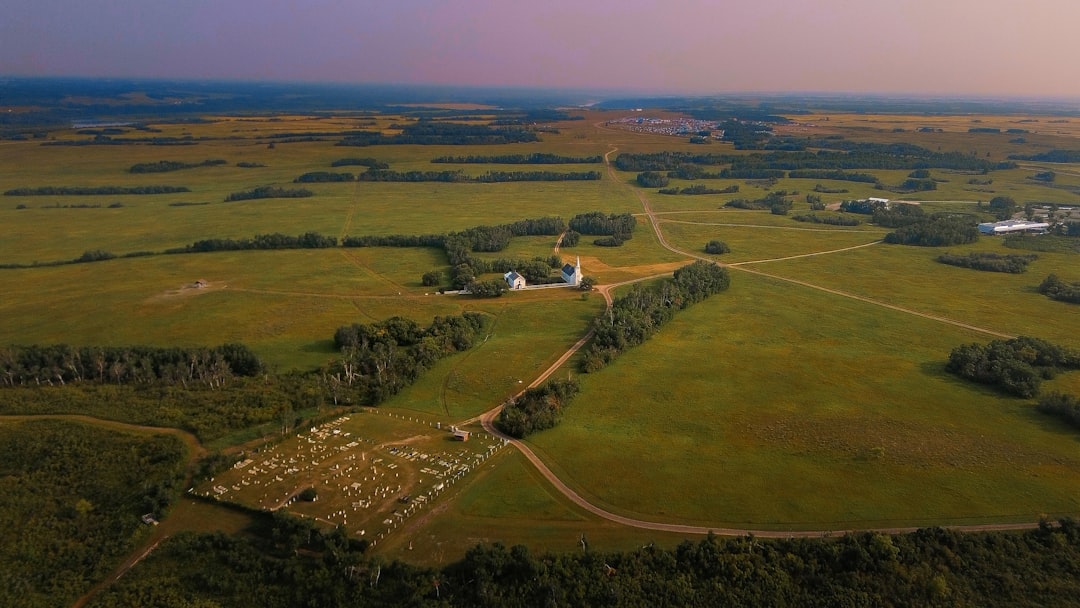
The Cayford wildfire in central Saskatchewan remains out-of-control this week, posing a significant threat to timber resources and local infrastructure. While the nearby Lobstick fire is nearing full containment, the Cayford blaze continues to expand due to high winds and dry conditions. Emergency officials rescinded evacuation orders for several communities southwest of Prince Albert yesterday as the Lobstick threat subsided. However, the Saskatchewan Public Safety Agency (SPSA) warns that the situation remains volatile across the region. Readers will gain insights into the current **Saskatchewan wildfire updates**, evacuation status changes, and the strategic response from provincial fire crews.
- The Cayford fire is currently classified as out-of-control by provincial authorities.
- Lobstick fire evacuation orders have been lifted for areas southwest of Prince Albert.
- Dry weather patterns in 2026 are complicating containment efforts in the boreal forest.
What is the current status of the Cayford and Lobstick fires?
The Cayford fire represents the most immediate challenge for Saskatchewan wildfire management teams today. High-intensity fire behaviour has prevented ground crews from establishing direct containment lines. Meanwhile, the Lobstick fire has responded well to suppression efforts. Crews have secured the perimeter of the Lobstick blaze, allowing families to return to their homes. This progress marks a significant milestone for the Prince Albert region.
Resources are now shifting from the Lobstick site toward the growing Cayford perimeter. Air tankers are dropping retardant to slow the fire’s northward progression. Ground crews are focusing on protecting critical infrastructure and nearby cabins. The SPSA continues to monitor the situation using satellite imagery and aerial reconnaissance. They are deploying additional heavy equipment to create wide firebreaks in the dense bush.
How are environmental conditions affecting the 2026 wildfire season?
Saskatchewan is experiencing a particularly challenging wildfire season in 2026. Lower than average winter precipitation created a moisture deficit in the forest floor. This dry fuel ignites easily and burns deeply into the soil. Meteorologists report that shifting wind patterns are further complicating fire suppression strategies. These conditions require constant adjustments to safety perimeters and evacuation plans. The boreal forest remains highly susceptible to lightning-caused ignitions.
Data from the Saskatchewan Public Safety Agency indicates a higher-than-normal number of starts this spring. Most fires are lightning-caused, though human activity remains a concern. The agency emphasizes the importance of adhering to provincial fire bans. These bans help reduce the risk of new starts while resources are stretched thin. Firefighters from neighbouring provinces have arrived to provide much-needed relief to local crews.
What measures are in place for affected communities?
Local authorities have established reception centres for those displaced by the Cayford fire. These centres provide food, shelter, and mental health support. Emergency management teams are working with community leaders to ensure timely communication. They use mobile alerts and social media to broadcast urgent updates. Residents are encouraged to keep an emergency kit ready at all times. Preparation can significantly reduce stress during a rapid evacuation.
The lifting of orders near the Lobstick fire offers some relief to the provincial response system. However, smoke remains a significant health concern for the entire Prince Albert area. Health officials advise vulnerable populations to stay indoors when air quality indices drop. They recommend using HEPA filters to maintain clean indoor air environments. The provincial health authority is monitoring hospital admissions for respiratory distress related to smoke inhalation.
Why is the Cayford fire proving difficult to contain?
The geography of the Cayford region presents unique challenges for firefighting teams. Dense stands of black spruce and peat moss create high fuel loads. These fuels burn with intense heat, making direct attack dangerous for firefighters. The terrain is also rugged, limiting the access of heavy ground machinery. Crews must rely heavily on aerial suppression and hand-cleared lines.
Logistical hurdles also play a role in the containment timeline. Moving fuel, water, and food to remote fire camps requires significant coordination. The province has activated its emergency logistics hub to streamline these operations. Despite these efforts, the fire’s unpredictable nature keeps teams on high alert. Safety remains the top priority for all personnel involved in the operation.
What are the long-term implications for Saskatchewan’s northern regions?
The persistence of the Cayford fire highlights the need for robust forest management policies. Increasing fire frequency impacts the local timber industry and biodiversity. It also puts pressure on provincial budgets as suppression costs rise annually. Experts suggest that 2026 may serve as a catalyst for new fire-smart initiatives. These programs help communities build resilience against future wildfire events. Proactive vegetation management is becoming a standard practice for northern municipalities.
Infrastructure protection remains a top priority for the provincial government. Investing in fuel breaks and controlled burns may mitigate future risks. For now, the focus remains on the immediate suppression of the Cayford blaze. The dedication of frontline firefighters is essential to protecting Saskatchewan’s natural and human landscapes. Their work ensures that communities can eventually recover and rebuild.
As the weekend approaches, weather forecasts predict a slight cooling trend. This change could provide a vital window for crews to gain ground on the Cayford fire. Residents should remain vigilant and follow all directives from local emergency services. Staying informed through official channels is the best way to ensure personal and community safety during this active season. High-quality information remains the most effective tool for navigating these environmental challenges.


