
In early 2026, the intensifying military engagement between the United States, Israel, and Iran has fundamentally altered the tactical maps of the Persian Gulf and the Levant. While missile strikes and naval blockades dominate the headlines, the underlying geopolitical landscape Middle East 2026 observers are tracking reveals a surprising resilience in regional foundations. This article examines how geography, the Palestinian cause, and deeply rooted political identities remain unaffected by the current escalations. Readers will learn why military outcomes often fail to reshape the cultural and physical realities of the region.
- Geographical constraints, particularly the Strait of Hormuz, remain the primary driver of global energy security.
- The Palestinian issue continues to serve as the central ideological mobilizer for regional populations regardless of state-level alliances.
- Local political identities and historical grievances prove more durable than the temporary military coalitions formed during active conflict.
The current conflict emerged from a series of rapid escalations in late 2025, drawing international forces into a complex theatre of operations. For decades, the region has balanced on a knife-edge of proxy wars and diplomatic standoffs. However, the direct kinetic engagement seen this year represents the most significant shift in power dynamics since the turn of the century. Despite these tremors, the structural pillars of the Middle East show little sign of crumbling under the pressure of external intervention.
Why does geography remain the ultimate arbiter of regional power?
Geography is a permanent factor that military technology cannot fully bypass. The Persian Gulf remains a narrow waterway, and the Strait of Hormuz acts as a global economic windpipe. No amount of naval presence can change the fact that Iran’s coastline dominates this passage. This proximity grants any local power a permanent seat at the table of global energy discussions.
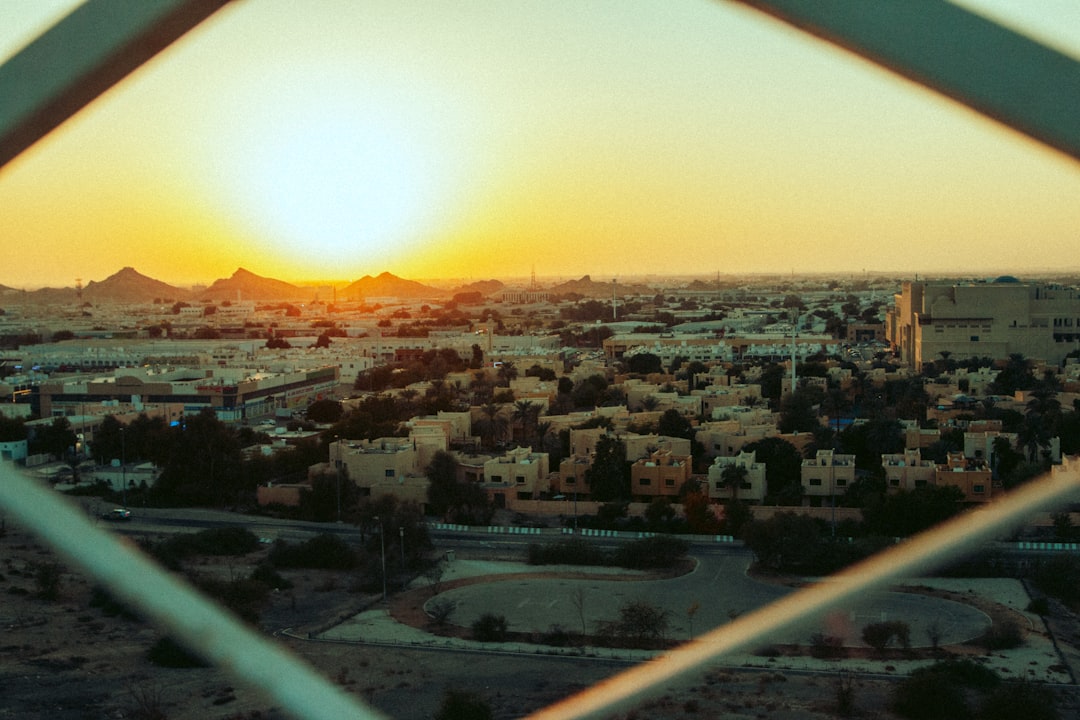
Furthermore, the mountainous terrain of the Iranian plateau provides a natural fortress that has historically resisted total occupation. Military strategists in 2026 acknowledge that while air superiority can degrade infrastructure, it cannot alter the physical landmass. The desert corridors connecting Iraq, Syria, and Lebanon continue to serve as vital supply routes for local actors. These paths have existed for millennia and remain essential for regional logistics today.
Energy analysts note that pipelines and shipping lanes are fixed by the Earth’s contours. Even as nations attempt to diversify energy routes, the central role of the Gulf remains undisputed. Geography ensures that the neighbours of today will remain the neighbours of tomorrow, forcing a long-term need for co-existence despite current hostilities.
How does the Palestinian cause maintain its central political role?
The Palestinian struggle remains a foundational element of Middle Eastern political identity. For many across the region, this issue transcends national borders and government policies. It serves as a unifying symbol for both secular nationalists and religious movements. Even as some governments sign normalization agreements, the public sentiment often remains firmly rooted in solidarity with the Palestinian people.
“The Palestinian cause is not merely a border dispute; it is a central pillar of the regional conscience that survives every change in government or military posture.”
This enduring sentiment limits the ability of external powers to impose a new regional order. Any framework that ignores the Palestinian question faces immediate domestic resistance in neighbouring states. The United Nations history of the Question of Palestine illustrates how this issue has persisted through multiple wars and peace initiatives. In 2026, the narrative of resistance continues to fuel political movements across the Arab world.
Data from regional polling suggests that younger generations remain as committed to this cause as their predecessors. Social media has only amplified these voices, making it impossible for leaders to ignore the public’s demands. Consequently, the Palestinian issue remains a primary filter through which all regional foreign policy is viewed.
Will regional identities survive the shifting alliance structures?
Political identity in the Middle East is a complex tapestry of religious, ethnic, and national loyalties. The current war between the US-Israel coalition and Iran has forced states to choose sides, yet these choices are often pragmatic rather than ideological. Beneath the surface, the historical identities of the people remain intact. These identities often resist the “nation-building” efforts frequently attempted by outside forces.
The “Axis of Resistance” and the various counter-coalitions are frameworks built on shared interests, but they do not replace local heritage. In Iraq and Lebanon, the internal balance of power is dictated by communal identities that have survived centuries of empire and conflict. These local loyalties often prove stronger than the mandates of a central government or the demands of a foreign patron.
Experts argue that military intervention often strengthens these identities rather than diluting them. Conflict creates a “rally around the flag” effect, but the “flag” is often that of a tribe or a sect rather than the state. This fragmentation makes the creation of a unified, pro-Western or pro-Iranian regional bloc extremely difficult to maintain over time.
What are the long-term implications for regional stability?
The persistence of these factors suggests that the current war will not result in a “New Middle East” in the way many planners hope. Instead, the region is likely to return to a state of competitive equilibrium once the kinetic phase of the conflict ends. The same grievances and geographical realities will continue to drive policy decisions in Riyadh, Tehran, and Tel Aviv.
International markets must prepare for a prolonged period of volatility. While military victories may be declared, the social and geographical factors that lead to instability remain unresolved. Investors should look beyond the immediate tactical outcomes and focus on the enduring structural trends of the region. Stability requires more than just the silencing of guns; it requires addressing the core issues of sovereignty and identity.
As the smoke clears over the coming months, the map of the Middle East may look the same as it did before the first shots were fired. The enduring nature of geography and identity ensures that the region’s future is written by its people and its land, not just by foreign intervention. Recognizing these constants is the first step toward a realistic understanding of the post-war order.


