
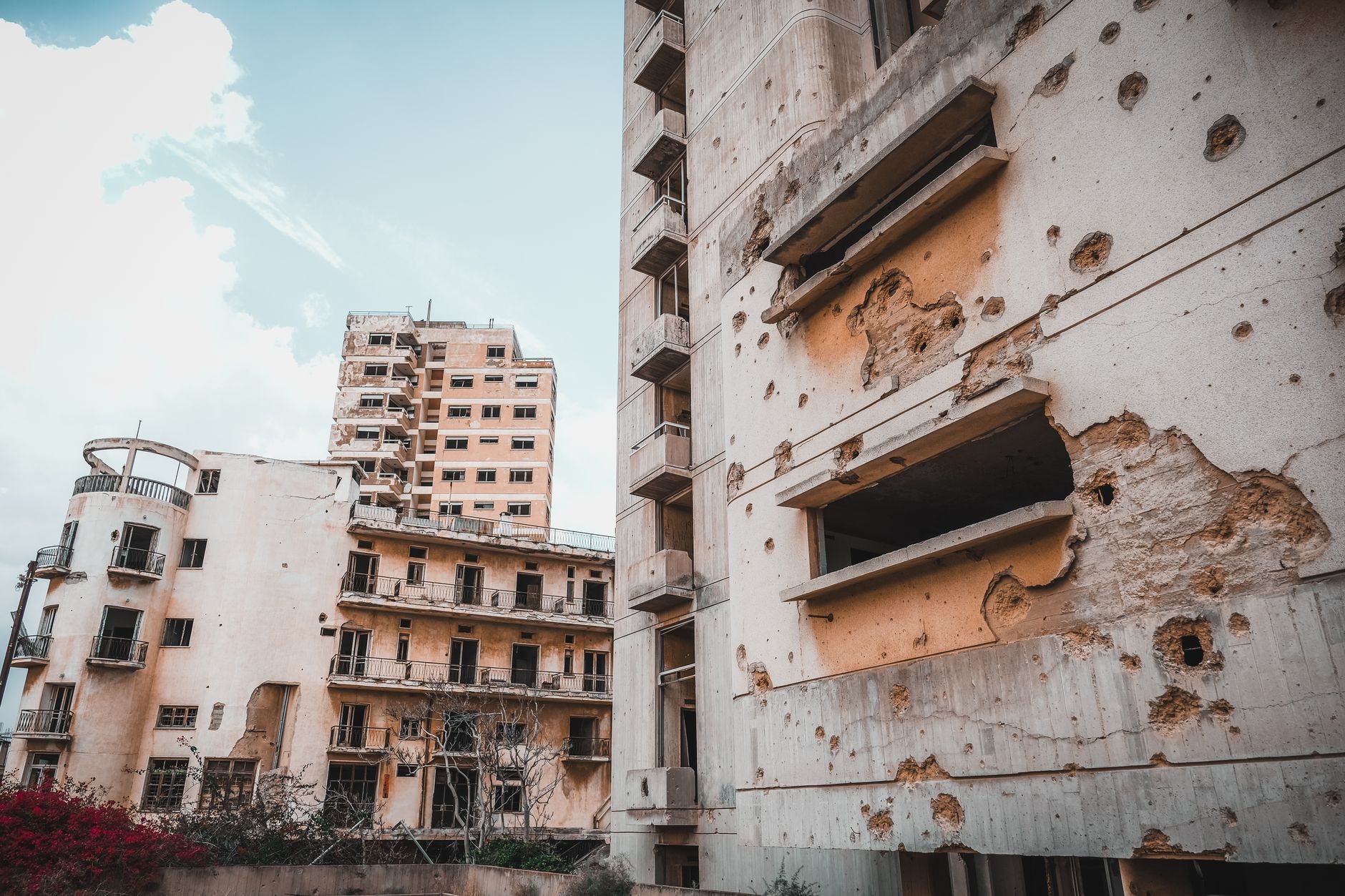
On October 24, 2026, Hezbollah leadership formally rejected a multi-national ceasefire proposal as the Israel Defence Forces (IDF) intensified aerial operations across southern and central Lebanon. This refusal coincides with a landmark ruling by Israel’s Supreme Court, which annulled a government-imposed ban preventing the International Red Cross from visiting Palestinian prisoners held in Israeli facilities. These dual developments signal a deepening of the Middle East regional conflict while highlighting a domestic legal pivot regarding international humanitarian standards during wartime.
- Hezbollah maintains a hardline stance, rejecting truce terms despite sustained IDF pressure.
- The Israeli Supreme Court has restored Red Cross access to Palestinian detainees, citing international legal obligations.
- Regional volatility continues to impact global energy security and humanitarian logistics in the Levant.
The current escalation follows months of cross-border attrition that began in late 2023 and evolved into a full-scale regional theatre by 2025. Military analysts suggest that the 2026 landscape is defined by high-precision drone warfare and entrenched political positions that complicate traditional diplomacy. The rejection of the latest truce framework indicates that non-state actors in the region still perceive strategic value in prolonged engagement.
Simultaneously, the internal legal climate in Israel is shifting. The government had previously restricted access to prisoners, citing security concerns and the ongoing nature of the hostilities. However, human rights organizations and international observers have pressured the state to maintain transparency regarding the treatment of detainees.
Why did Hezbollah reject the 2026 ceasefire proposal?
Hezbollah’s refusal of the ceasefire terms stems from a demand for a total cessation of IDF flights over Lebanese airspace and a complete withdrawal from disputed border points. The group’s spokesperson stated that the current proposal favoured Israeli security requirements without providing reciprocal guarantees for Lebanese sovereignty. This stance reflects a broader strategy to maintain a war of attrition that stretches Israeli resources across multiple fronts.
The IDF has responded to this rejection by expanding its target list. Recent strikes have focused on sophisticated underground logistics hubs and command centres located deep within the Bekaa Valley. Military intelligence reports indicate that these facilities house next-generation long-range munitions provided by regional allies. The intensity of these strikes suggests a shift from containment to the systematic degradation of Hezbollah’s strategic infrastructure.
How does the Supreme Court ruling impact international humanitarian law?
The Israeli Supreme Court’s decision to annul the ban on the International Red Cross is a significant assertion of judicial independence. The court ruled that the government cannot suspend basic humanitarian access, even during active conflict. This ruling aligns with the mandate of the International Committee of the Red Cross under the Geneva Conventions, which ensures the protection and dignity of persons deprived of liberty.
“The rule of law does not fall silent during the clamour of war; rather, it serves as the essential framework that prevents total societal collapse,” noted the presiding justice in the majority opinion.
Legal experts suggest this ruling may set a precedent for other democracies engaged in asymmetric warfare. By allowing neutral observers back into detention centres, the court aims to mitigate allegations of systemic abuse. This move is also seen as a strategic attempt to bolster Israel’s standing in international courts, where it faces ongoing scrutiny over its military conduct.
What are the tactical shifts in the Lebanon strikes?
The 2026 IDF campaign in Lebanon utilizes autonomous surveillance swarms to identify mobile missile launchers in real-time. This technological edge has reduced the time between detection and engagement to under ninety seconds. Consequently, Hezbollah has moved its operations further into civilian urban centres, creating a complex humanitarian dilemma for the IDF. This tactical evolution has led to a rise in collateral damage, further complicating the diplomatic efforts of the United Nations.
Data from regional monitoring groups indicate that over 40% of southern Lebanon’s infrastructure has sustained damage since the start of the year. The economic toll on Lebanon is staggering, with the national currency reaching new lows against the dollar. Despite these pressures, the political wing of Hezbollah remains resilient, supported by a network of social services that fill the void left by a weakened central government.
What do these developments mean for regional stability?
The convergence of military escalation and judicial intervention creates a volatile environment for 2027 projections. For the energy sector, the continued conflict near Mediterranean gas rigs maintains a risk premium on global oil prices. For humanitarian agencies, the restored access to prisoners offers a small window of transparency in an otherwise opaque conflict. However, the lack of a diplomatic breakthrough suggests that the cycle of violence will likely persist into the next fiscal quarter.
Observers should monitor the potential for the conflict to expand into a broader direct confrontation between regional powers. The Supreme Court’s ruling may provide a temporary relief for international tensions, but the fundamental issues of border security and non-state militancy remain unresolved. Families of detainees and displaced civilians on both sides of the border continue to bear the primary burden of this geopolitical deadlock.
As the winter of 2026 approaches, the focus of the international community remains on mitigating the humanitarian fallout. The legal victory for the Red Cross serves as a reminder that humanitarian standards provide a necessary floor for conduct in modern warfare. Stakeholders must now navigate a landscape where military objectives and legal obligations are increasingly at odds, requiring a nuanced approach to both security and human rights.


