
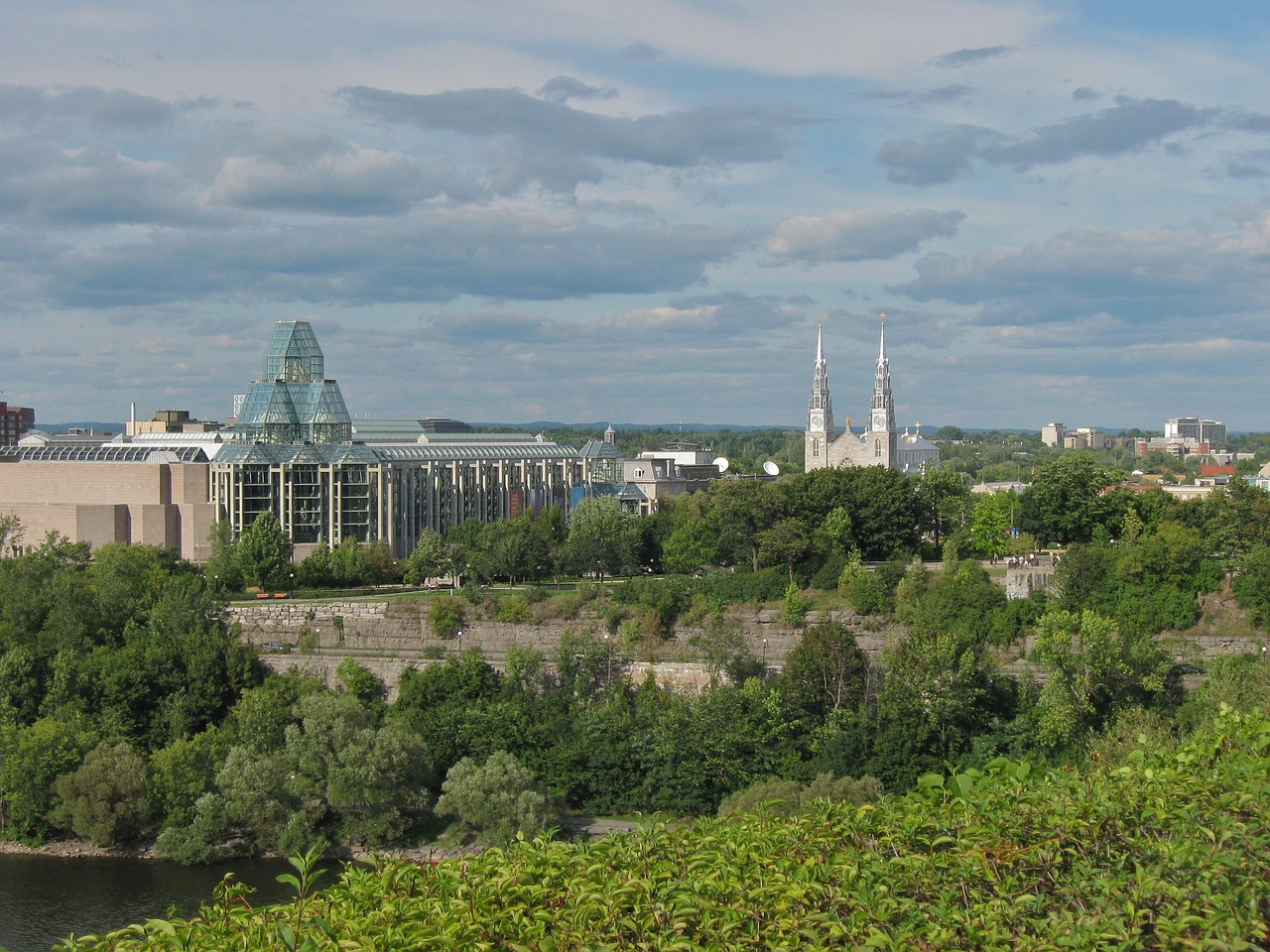
Liberal Members of Parliament gathered in Ottawa on June 5, 2026, to formally defend the leadership style of Mark Carney. This public show of unity follows increasing internal scrutiny regarding the party’s direction ahead of the next federal cycle. Simultaneously, the Toronto Transit Commission (TTC) faces intense criticism from the Jewish community over controversial FIFA World Cup 2026 merchandise. These unfolding events highlight a period of significant political and cultural friction across Canada this summer. You will learn how these leadership debates and community grievances are shaping the national conversation during this high-stakes month.
- Liberal MPs are actively countering claims that Mark Carney’s leadership style is too detached from grassroots concerns.
- The TTC is under pressure to revise its FIFA 2026 promotional strategy following community outrage.
- Political analysts suggest these controversies could impact voter sentiment in key urban ridings.
The current political climate in Canada is defined by high expectations and rigorous public oversight. Mark Carney, the former central banker, has faced questions about his ability to connect with everyday Canadians. Meanwhile, Toronto is preparing to host several matches for the FIFA World Cup 2026. This global event has brought both economic opportunity and unforeseen social challenges to the city’s doorstep.
How are Liberal MPs responding to Carney’s critics?
Several high-profile Liberal MPs spoke to reporters on Parliament Hill this Friday morning. They dismissed suggestions that the current leadership is out of touch with the middle class. Instead, they characterized Carney’s approach as methodical and essential for navigating the complex global economy of 2026. This defence is a strategic move to stabilize the party’s image before the summer recess.
MP Sarah Villeneuve stated that the party requires a leader who understands international markets and domestic needs. She argued that Carney’s intellectual rigour is an asset, not a liability. Other caucus members echoed this sentiment, emphasizing the need for stability in uncertain times. They believe his long-term vision will eventually resonate with the broader electorate.
However, some backbenchers remain concerned about the party’s polling numbers in rural districts. They suggest that a more populist tone might be necessary to win over hesitant voters. Despite these internal whispers, the official party line remains one of total confidence in Carney’s tenure. The coming weeks will test whether this unified front can hold under continued media pressure.
Why is the TTC’s FIFA merchandise causing a local uproar?
In Toronto, the TTC is embroiled in a controversy regarding its official FIFA 2026 commemorative shirts. Members of the Jewish community have raised concerns about specific design elements they find exclusionary. This backlash has prompted calls for an immediate halt to the sale of the merchandise. The TTC has yet to issue a formal apology, though officials say they are reviewing the designs.
Community leaders argue that public institutions must be more sensitive to the diverse populations they serve. They claim the design process lacked sufficient consultation with representative groups. This incident has overshadowed the initial excitement surrounding the tournament’s arrival in Toronto. Consequently, the city’s branding efforts are now under a microscope.
The controversy arises just as the city prepares for an influx of millions of international visitors. Experts suggest that mishandling these cultural sensitivities could damage Toronto’s reputation as a welcoming host. The TTC must now decide whether to recall the shirts or attempt a rebranding mid-campaign. This decision will carry significant financial and social implications for the transit agency.
What are the broader implications for the 2026 World Cup?
The friction in Toronto serves as a reminder of the complexities involved in hosting mega-events. While the economic benefits are often touted, the social costs can be substantial if not managed correctly. Organizers are now looking at the official FIFA World Cup 2026 schedule and host city guidelines to ensure compliance with international standards. This document outlines the responsibilities of host cities regarding inclusivity and fan engagement.
Data from previous tournaments suggests that public sentiment can shift rapidly based on local controversies. If the TTC does not resolve the current dispute quickly, it may face protests during match days. This would detract from the celebratory atmosphere the city has spent years planning. Furthermore, corporate sponsors are reportedly watching the situation closely to avoid negative associations.
Political observers note that these local issues often bleed into the federal arena. The Liberal government has invested heavily in the success of the 2026 World Cup as a symbol of Canadian unity. Any perceived failure in the host cities could reflect poorly on the national leadership. This creates an additional layer of pressure for Carney and his team to manage.
How will these events shape the summer political landscape?
As the June heat intensifies, the intersection of sports and politics will likely dominate the news cycle. The Liberal party’s ability to defend its leader while addressing local grievances will be crucial. Voters are looking for leaders who can handle both high-level policy and sensitive community issues. This dual challenge represents a significant test for the Carney administration.
The TTC’s response in the next 48 hours will be a litmus test for municipal accountability. If they pivot successfully, they may be able to salvage their promotional campaign. However, a delayed or defensive response could alienate a significant portion of their user base. This situation highlights the importance of proactive communication in the digital age.
Ultimately, the events of June 5, 2026, illustrate the volatile nature of public life in modern Canada. From the halls of Parliament to the subway stations of Toronto, the demand for transparency is louder than ever. Leaders at all levels must adapt to these expectations to maintain public trust. The results of these ongoing debates will influence the national mood for the remainder of the year.


