
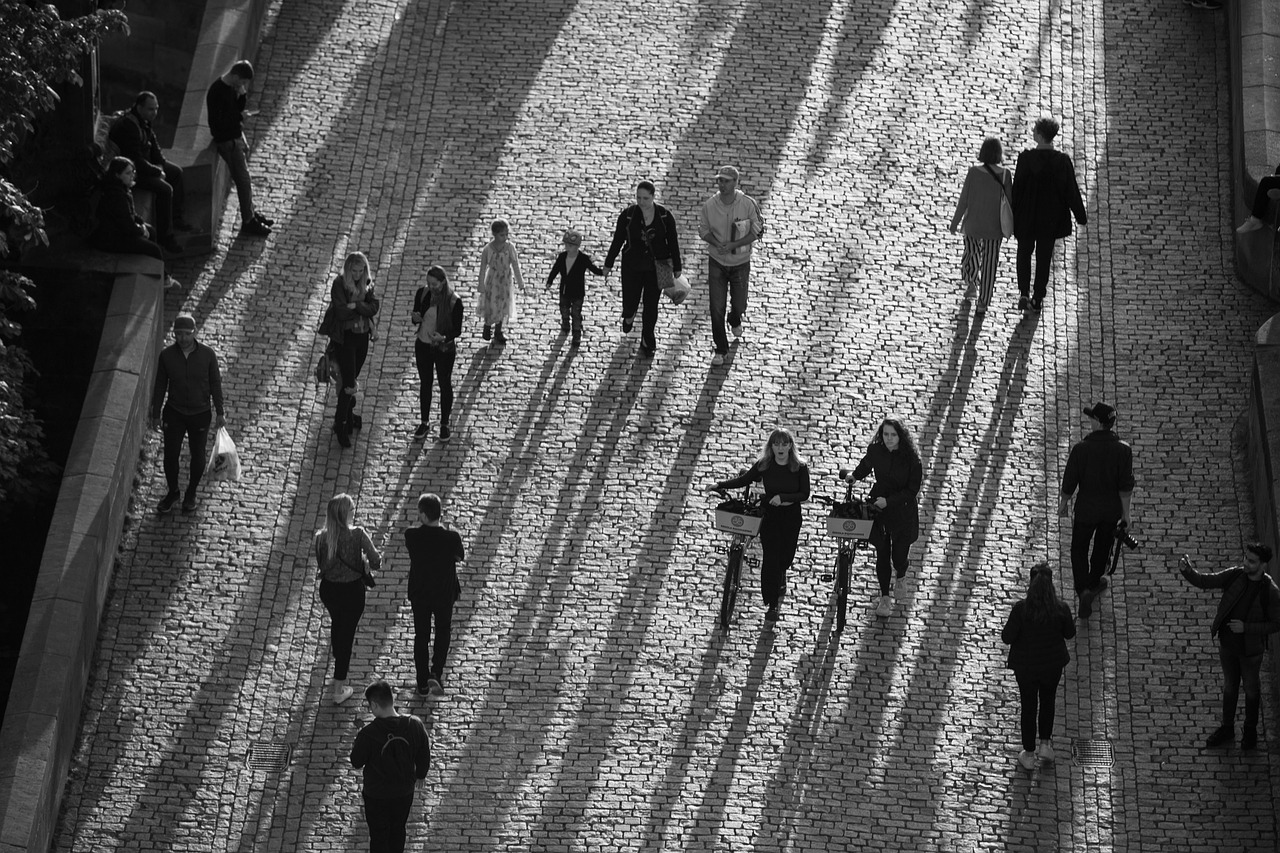
On June 7, 2026, tens of thousands of participants will gather at the Temple Sinai Congregation in Toronto for the annual Walk with Israel. This massive community event proceeds north along Bathurst Street, culminating at the UJA’s Sherman Campus for a celebratory festival. Organizers expect record-breaking attendance this year, citing a significant increase in diverse allies joining the traditional Jewish community march. You will learn about the 2026 route changes, security protocols, and how this event fosters civic engagement within the Greater Toronto Area through the Walk with Israel 2026 experience.
Key Takeaways
- Attendance is projected to exceed 50,000 participants, marking the largest turnout in the event’s history.
- The 2026 route begins at Temple Sinai and travels north along the Bathurst Street corridor.
- The post-walk festival at the Sherman Campus will feature over 40 local food vendors and live entertainment.
The Walk with Israel serves as a cornerstone of communal expression for the Jewish community in Southern Ontario. Since its inception, the event has evolved from a small solidarity march into a massive cultural phenomenon. It brings together families, political leaders, and multi-faith allies to celebrate heritage and support social services. The 2026 iteration reflects a growing trend of intersectional support, with organizers noting that “more allies than ever before” have registered to participate.
Bathurst Street remains the primary artery for the march, symbolizing the historical heart of the Jewish diaspora in Toronto. This year, the municipal government has coordinated with the Toronto Police Service to ensure a seamless flow of traffic and pedestrian safety. The logistical scale of the event requires months of planning to accommodate the influx of visitors to the North York region.
Why is the 2026 Walk with Israel seeing record participation?
The surge in registrations for 2026 stems from a concerted effort by the UJA Federation of Greater Toronto to broaden the event’s reach. By engaging with diverse community groups, the federation has successfully positioned the walk as a celebration of Canadian multiculturalism. Data from early registrations indicates a 25% increase in first-time participants compared to the 2025 event.
Community leaders attribute this growth to a desire for visible solidarity in an increasingly polarized global climate. Many participants view the walk as a peaceful way to express identity and foster neighbourhood connections. The inclusion of more youth-oriented programming has also attracted a younger demographic of university students and young professionals.
“The 2026 Walk represents a turning point in community relations, where the focus has shifted toward building bridges and celebrating shared values of peace and resilience.” — Local Community Coordinator.
What is the official route for the 2026 event?
The march officially commences at 9:00 AM at the Temple Sinai Congregation. Participants will head north on Bathurst Street, passing through several iconic neighbourhoods. This route allows local residents to cheer from their storefronts and balconies, creating a vibrant, high-energy atmosphere throughout the morning. The five-kilometre journey is designed to be accessible for all ages, with hydration stations positioned every 500 metres.
To manage the crowd size, the city will implement rolling road closures. These measures ensure that the tens of thousands of walkers can move safely without the interference of vehicular traffic. Public transit remains the recommended method of arrival, as parking near Temple Sinai will be strictly limited to emergency vehicles and event staff.
Safety remains a top priority for the 2026 organizers. Enhanced security measures, including drone monitoring and increased ground personnel, will be in place. These steps aim to provide a secure environment where families feel comfortable bringing children and elderly relatives to participate in the festivities.
How does the Walk Festival support local Toronto businesses?
The journey concludes at the UJA’s Sherman Campus, which transforms into the Walk Festival grounds. This space hosts a variety of activities, including children’s carnivals, art installations, and educational booths. The festival serves as a significant economic driver for local small businesses and entrepreneurs.
- Food and Beverage: Over 40 local vendors will offer a range of kosher and international cuisines.
- Live Entertainment: Canadian and international artists will perform on the main stage throughout the afternoon.
- Community Market: Local artisans have the opportunity to showcase and sell handmade goods to thousands of attendees.
- Charity Impact: Proceeds from the festival often go toward funding community programs and social safety nets.
The economic impact of the event extends beyond the festival grounds. Nearby cafes and retail shops along Bathurst Street report their highest sales of the summer season during the weekend of the Walk. This boost provides essential support for the local economy and highlights the importance of large-scale community events in urban development.
What are the long-term implications for the community?
The success of the 2026 Walk with Israel signals a robust future for large-scale cultural gatherings in Toronto. It demonstrates that despite global challenges, local communities can mobilize effectively to celebrate their identity. The high level of allyship observed this year suggests a shift toward more inclusive civic participation across the city.
Furthermore, the event sets a benchmark for how municipal authorities and non-profit organizations can collaborate on public safety and logistics. The lessons learned from managing a crowd of this magnitude will likely inform future parades and festivals in the Greater Toronto Area. This collaborative spirit ensures that the city remains a welcoming place for diverse expressions of heritage.
As the final participants reach the Sherman Campus, the focus remains on the collective impact of their presence. The event transcends a simple march; it serves as a powerful reminder of the strength found in unity and the enduring nature of community bonds. Participants are encouraged to stay informed through local community boards to continue their engagement throughout the year.


