
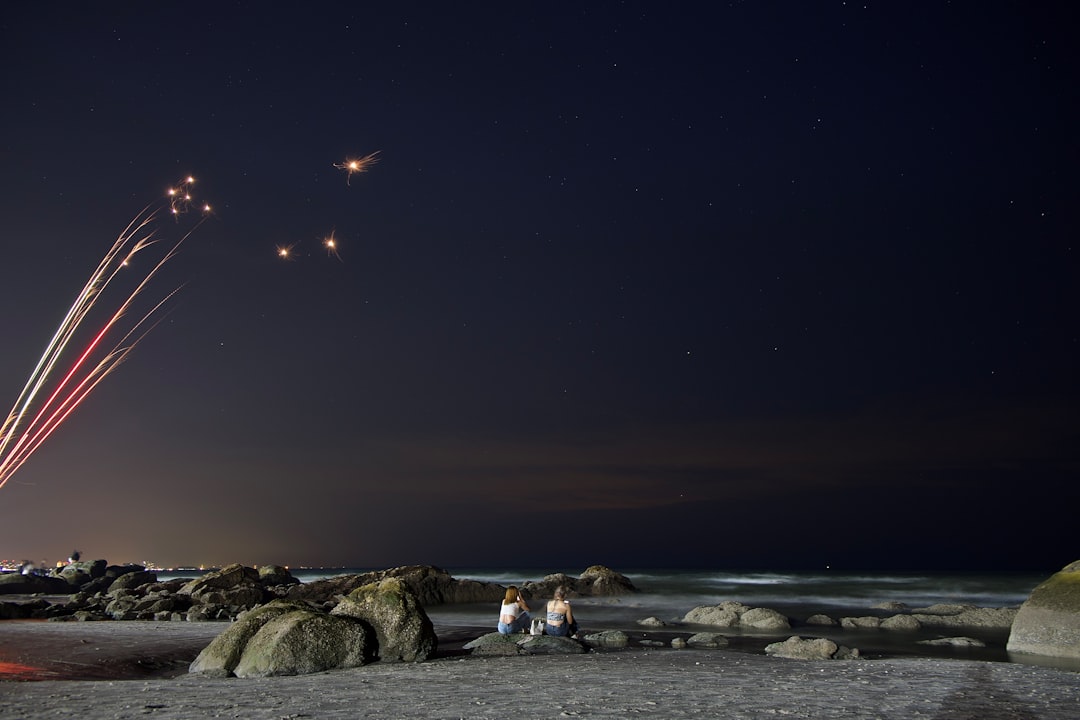
On Monday morning, the Israeli Defence Forces (IDF) launched a series of precision air strikes against military installations in western and central Iran, marking a sharp Israel-Iran conflict escalation after 100 days of regional hostilities. These strikes followed the interception of several ballistic missiles launched from Iranian territory on Sunday evening, which triggered sirens across Israel and forced the immediate closure of schools. As the conflict reaches this grim milestone, the international community is watching closely to see if a fragile diplomatic push led by Pakistan can prevent a full-scale regional war.
Readers will gain a comprehensive understanding of the current military developments, the status of high-stakes nuclear negotiations involving the United States, and the humanitarian implications of the ongoing Israel-Iran conflict escalation. This report details the strategic shifts in the Middle East as global powers attempt to mediate a ceasefire amidst active combat zones.
“The Israeli military is prepared to deliver a powerful response to any threat that undermines our national security and the safety of our citizens.”
— IDF Spokesperson
- Israel targeted Iranian military sites in response to ballistic missile barrages hitting northern air bases.
- U.S. President Donald Trump indicates a nuclear deal is “very close,” despite conflicting reports from Tehran regarding frozen assets.
- Pakistan has initiated a fresh diplomatic mission, delivering a special communication to Iran’s supreme leader to broker a ceasefire.
- Active fighting in Beirut’s southern suburbs continues to link the Lebanese front to the broader U.S.-Iran peace talks.
How did the latest Israeli strikes impact Iranian military infrastructure?
The IDF confirmed that its air force targeted sites belonging to the Iranian regime in central and western provinces. These retaliatory measures were a direct response to three barrages of missiles that targeted Israeli soil overnight, including the Ramat David air base. While Israeli defensive systems intercepted at least 10 ballistic missiles, the threat level remained high enough to halt civilian life across the country.
Military analysts suggest that these strikes aimed to degrade Iran’s long-range missile capabilities and command centres. By focusing on military assets rather than civilian infrastructure, Israel is maintaining a strategic pressure campaign while leaving the door slightly ajar for diplomatic leverage. However, the intensity of the strikes signals a departure from the more restrained exchanges seen earlier in the year.
In Lebanon, the conflict remains equally volatile. The Israeli military recently struck Beirut’s southern suburbs, specifically the Dahiyeh district, targeting what they described as terrorist headquarters. This move came after Hezbollah launched projectiles into northern Israel, defying U.S. requests for restraint in the Lebanese capital. The Lebanese National News Agency reported at least two deaths and multiple injuries following the destruction of residential apartments used for military operations.
What is the current status of the U.S.-Iran nuclear negotiations?
Amidst the exchange of fire, U.S. President Donald Trump provided an update on the status of negotiations during an interview with NBC’s Meet the Press. Trump stated that both nations are “very close” to a landmark deal. According to the President, Tehran has agreed in principle to forgo the development of nuclear weapons, a move that would fundamentally alter the security landscape of the Middle East.
Despite this optimism, significant hurdles remain. A senior adviser to Iran’s Supreme Leader Ayatollah Mojtaba Khamenei claimed that indirect talks are currently deadlocked. The primary point of contention involves $24 billion in frozen Iranian assets held by the United States. Tehran views the release of these funds as a prerequisite for any formal agreement, while Washington remains hesitant to provide liquid capital during active hostilities.
The role of international monitors is also a critical factor in these discussions. Trump’s assertion that Tehran has agreed to abandon nuclear ambitions remains a point of contention, especially given the monitoring roles of the International Atomic Energy Agency in verifying such commitments. Without a verifiable framework, any agreement reached in principle may struggle to gain domestic support in either country.
Why is the involvement of Hezbollah and Pakistan critical now?
The war has evolved into a multi-front engagement where local actors like Hezbollah significantly influence the broader peace process. Tehran has explicitly tied a potential ceasefire in Lebanon to its own peace talks with the U.S. government. This linkage complicates diplomatic efforts, as Israel refuses to withdraw from southern Lebanon until Hezbollah’s missile capabilities are neutralized.
Pakistan has emerged as a key mediator in this 2026 crisis. Interior Minister Mohsin Naqvi recently arrived in Tehran with a “special letter” from the Pakistani army chief and a message from the Prime Minister. This diplomatic push seeks to find a middle ground before the U.S. naval blockade of Iranian ports leads to a total economic collapse or further military escalation in the Persian Gulf.
Data from recent maritime reports indicates that the U.S. military has already begun intercepting Iranian drones in the Strait of Hormuz. These incidents have led to retaliatory Iranian strikes on U.S. facilities in Kuwait and Bahrain. The presence of approximately 50,000 U.S. troops in the region provides a significant deterrent, but it also places American personnel in the direct line of fire should negotiations fail completely.
What are the strategic implications for regional stability in 2026?
The current cycle of retaliation suggests that both Israel and Iran are testing the limits of the April ceasefire. While neither side has declared a full-scale war, the frequency and precision of the strikes indicate a high state of readiness. For the global economy, the continued blockade of the Persian Gulf threatens energy prices and international shipping routes, making a resolution a priority for global markets.
President Trump has indicated that U.S. troops will remain in the Middle East until the “completion” of the war. He has not ruled out military action to secure or destroy Iran’s nuclear stockpile if a deal is not reached. This “peace through strength” approach aims to force Tehran back to the negotiating table, but it risks triggering a more aggressive response from Iranian hardliners who view the U.S. presence as an existential threat.
The next 48 hours will be decisive as Pakistan’s mediators meet with Iran’s top leadership. If a deal regarding the $24 billion in frozen assets can be reached, it may provide the necessary incentive for Iran to de-escalate its missile campaign and rein in its regional proxies. For now, the focus remains on whether the diplomatic channels can outpace the military operations currently unfolding across the Middle East. Ensuring the safety of civilians and maintaining the integrity of international borders depends on a swift return to the negotiating table.


