
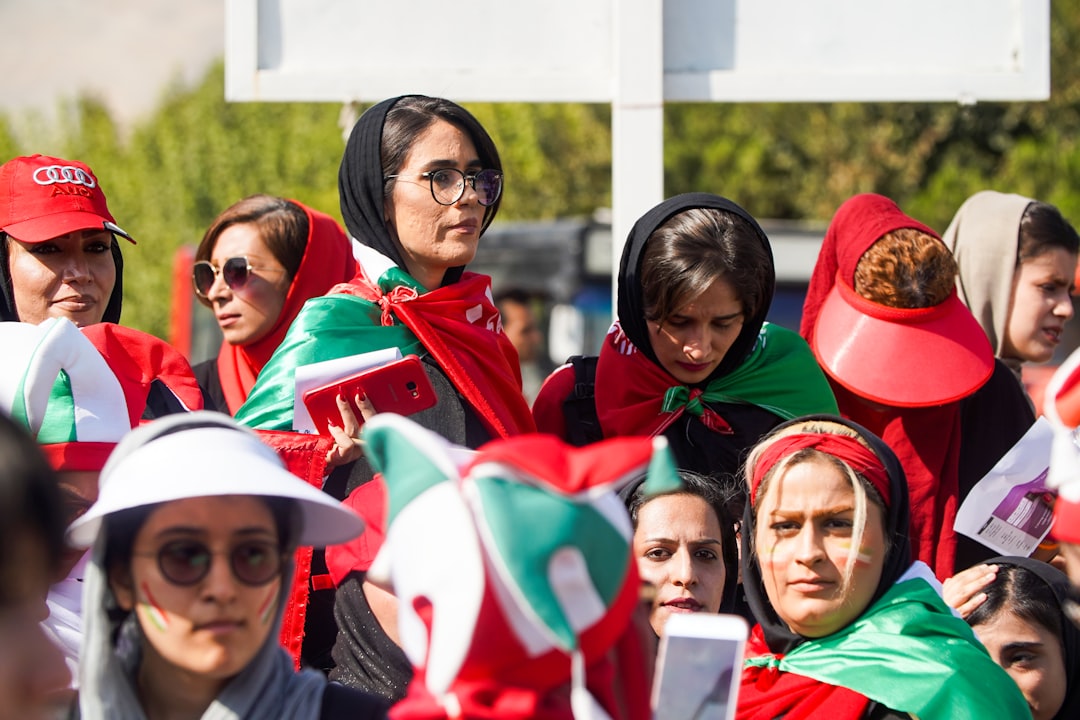
On June 15, 2026, the Iranian national football team, known as Team Melli, took to the pitch against New Zealand in Los Angeles, marking a historic intersection of sport and geopolitics. Thousands of Iranian-Canadians and Iranian-Americans filled the stadium, creating an atmosphere where national pride frequently overshadowed long-standing political divisions. This opening match of the 2026 World Cup showcased how Iran’s Team Melli at the 2026 World Cup serves as a powerful symbol for a diaspora navigating complex identities. In this article, you will learn about the cultural impact of the match, the security challenges faced by organizers, and the specific ways fans used the global stage to voice their aspirations.
- The Los Angeles opener saw record-breaking attendance from the Iranian diaspora.
- Fans balanced support for the players with vocal protests against the Iranian regime.
- Security protocols were heightened to ensure a peaceful environment for all spectators.
Why was the Los Angeles venue significant for Team Melli?
Los Angeles is home to the largest Iranian population outside of Iran, often referred to as “Tehrangeles.” This demographic reality turned the match against New Zealand into a de facto home game for the Iranian squad. For many fans travelling from across North America, including large contingents from Toronto and Vancouver, the event was more than a game. It represented a rare opportunity to celebrate Persian culture on a massive, sanctioned international platform.
The 2026 tournament represents the first time 48 teams are competing in an expanded format across North America, as detailed by the official FIFA 2026 tournament framework. This expansion allowed for unique matchups that brought diverse communities together in cities like Los Angeles, Vancouver, and Toronto. The proximity of the Iranian diaspora facilitated a sell-out crowd that was visibly and audibly distinct from typical international fixtures.
How did fans navigate the tension between sports and politics?
The stands were a sea of green, white, and red, but the symbolism varied significantly among the spectators. While many wore the official jersey of Team Melli, others carried flags and banners associated with various protest movements. Chants of support for the players often alternated with slogans demanding social and political reforms within Iran. This dual-purpose attendance highlights the complex relationship the diaspora maintains with the national team.
“The players are in a difficult position, caught between their professional duties and the weight of their country’s expectations,” noted Dr. Arash Mansouri, a sports sociologist. “In Los Angeles, the fans showed they can separate the athletes from the administration.”
Despite the underlying tensions, the match remained largely peaceful. Local law enforcement and FIFA security worked in tandem to manage the high-emotion environment. Their strategy focused on allowing freedom of expression while preventing any physical altercations between different factions within the crowd. This balance was crucial for maintaining the celebratory spirit of the World Cup.
What were the key highlights of the Iran vs. New Zealand match?
On the field, the match was a tactical battle that saw New Zealand’s physical style clash with Iran’s technical proficiency. The Iranian side, buoyed by the thunderous cheers of the crowd, maintained possession for much of the first half. New Zealand’s defence remained resilient, however, frustrating the Iranian attackers and keeping the score level until late in the game. The energy in the stadium peaked during several near-misses, with the vuvuzelas and drums creating a deafening roar.
The technical staff for Team Melli acknowledged the emotional weight of the game during the post-match briefing. They emphasized that the players felt the energy of the diaspora, which provided a significant psychological boost. Observers noted that the team’s performance seemed more inspired than in previous friendly matches, likely due to the unique atmosphere of the Los Angeles venue.
What does this event mean for the future of international sport?
The success of the Iran-New Zealand match in Los Angeles provides a blueprint for how host cities can manage politically sensitive fixtures. It demonstrates that with proper planning and community engagement, sports can provide a safe vent for political expression without compromising the integrity of the competition. This outcome is particularly relevant for future tournaments held in multicultural hubs where global conflicts often resonate locally.
For the Iranian community, the match served as a moment of visibility and unity. It allowed younger generations of the diaspora to connect with their heritage through a shared passion for football. As the 2026 World Cup continues, the focus will remain on how these athletes navigate their roles as both competitors and cultural ambassadors. The events in Los Angeles have set a high bar for emotional intensity and cultural significance in the tournament.
As the tournament progresses to the knockout stages, the impact of this match will likely influence how other high-stakes games are managed. Fans and analysts alike are now looking toward the next fixtures to see if this blend of activism and athletics continues. The 2026 World Cup has already proven that the pitch is not just a place for goals, but a stage for the world’s most pressing conversations. Moving forward, the Iranian team carries the hopes of a global community that remains deeply invested in their success both on and off the field.


