
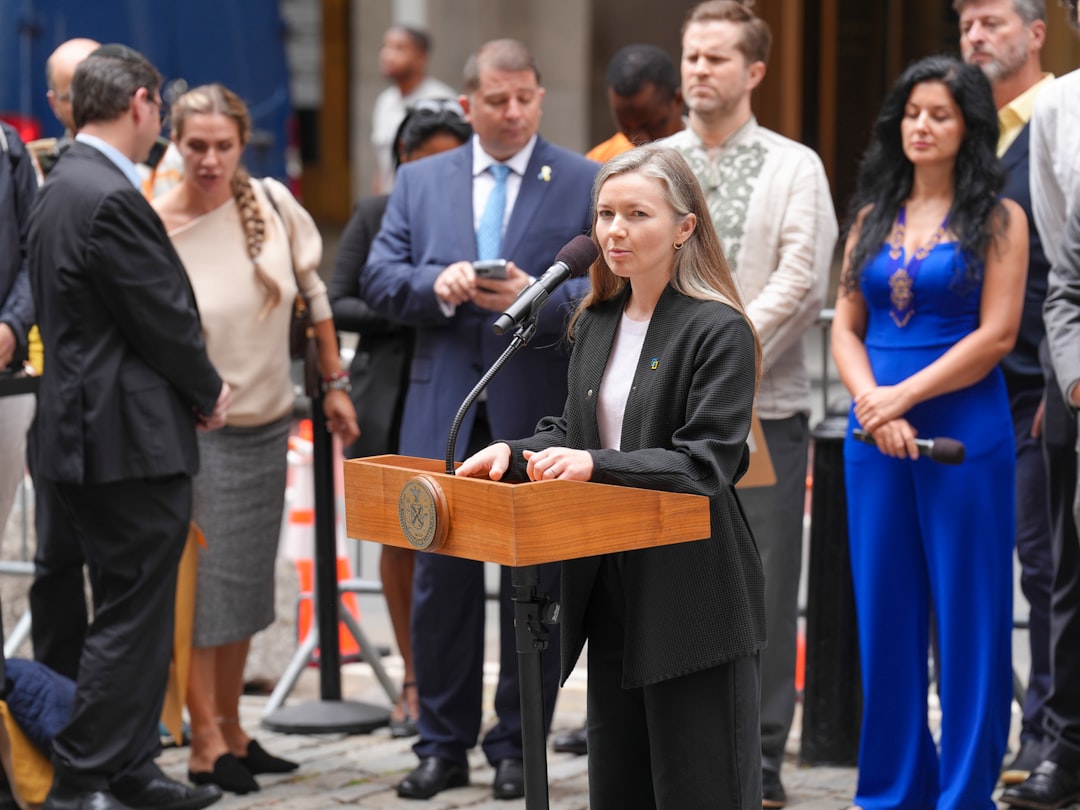
In 2026, Noa Argamani has transitioned from a global symbol of captivity to a leading voice in international humanitarian advocacy and hostage recovery protocols. Since her rescue in 2024, Argamani has utilized her platform to address the United Nations and various global forums, focusing on the protection of civilians in conflict zones. This article explores how her journey from the October 7th attacks to her current role as a peace advocate has reshaped the discourse on regional stability and trauma recovery. Readers will learn about the legislative changes inspired by her story and the ongoing efforts to support survivors of long-term detention.
- Argamani’s transition into a diplomatic envoy for hostage rights.
- The impact of the ‘Liora’s Legacy’ foundation on palliative care and survivor support.
- Global shifts in international law regarding the treatment of civilian captives.
The world first encountered Noa Argamani through a harrowing video of her abduction on a motorcycle during the 2023 music festival attacks. This image became a catalyst for international awareness regarding the plight of hostages. Her subsequent rescue in a complex operation marked a turning point for her family and the nation. However, her story did not end with her return to safety.
How has Noa Argamani influenced international hostage policy?
By early 2026, Argamani has become a fixture in diplomatic circles. She advocates for more robust international frameworks to prevent the abduction of civilians. Her testimony has provided a rare, firsthand account of the psychological and physical toll of prolonged captivity. This evidence-backed approach has prompted several nations to review their protocols for supporting families of those held abroad.
Argamani works closely with the Red Cross and other non-governmental organizations. She emphasizes the need for neutral third-party access to all detainees in conflict zones. Her efforts have led to the proposed ‘Argamani Protocol,’ a set of guidelines currently under review by the United Nations regarding international humanitarian law. These guidelines seek to establish faster communication channels between captors and international monitors.
Transitioning from a survivor to an advocate required immense personal strength. Argamani often speaks about the importance of resilience. She highlights the role that community support played in her reintegration into society. Her speeches often focus on the power of hope even in the darkest circumstances.
What is the significance of the Liora’s Legacy initiative?
A significant portion of Argamani’s work in 2026 involves the foundation established in honour of her mother, Liora. Liora Argamani’s public battle with terminal cancer while her daughter was in captivity touched millions worldwide. The foundation now focuses on two primary areas: specialized palliative care and psychological support for returning hostages. This dual focus addresses the complex needs of families facing simultaneous medical and political crises.
Data from the National Centre for Trauma Studies indicates that survivors like Argamani face unique challenges. These include long-term post-traumatic stress and the difficulty of returning to a world that has fundamentally changed. The foundation provides grants for research into these specific areas of mental health. It also funds training for clinicians to better understand the nuances of hostage-related trauma.
“The light we found in the darkness must now be used to guide others home,” Argamani stated during a recent gala in Tel Aviv.
This sentiment resonates with many who followed her story from the beginning. The foundation has successfully lobbied for increased government funding for survivor rehabilitation programmes. These programmes offer comprehensive care, including vocational training and long-term therapy. By focusing on the future, the initiative helps survivors reclaim their lives.
What are the broader implications for the Middle East peace process?
Argamani’s role has also extended into the realm of regional peace-building. She has participated in several track-two diplomacy initiatives. These informal discussions aim to build trust between different factions in the Middle East. Her presence often serves as a reminder of the human cost of ongoing conflict.
Experts suggest that personal narratives like Argamani’s can be more effective than political rhetoric. Her story humanizes a complex geopolitical struggle. By focusing on shared human values, she encourages a dialogue that transcends traditional political boundaries. This approach has gained traction among younger generations who seek new solutions to old problems.
The 2026 landscape shows a subtle shift in how these narratives are used. Rather than being tools for division, they are increasingly used to foster empathy. Argamani’s ability to speak with both strength and vulnerability has made her a unique figure in this process. She remains committed to the idea that peace is achievable through persistent effort and mutual understanding.
As Noa Argamani continues her work, the focus remains on the individuals still affected by conflict. Her journey from a viral video to a global stage demonstrates the power of transformation. By turning her personal tragedy into a public service, she ensures that the lessons learned from her experience are not forgotten. Her ongoing advocacy provides a roadmap for others to follow in the pursuit of a more just and peaceful world.


