
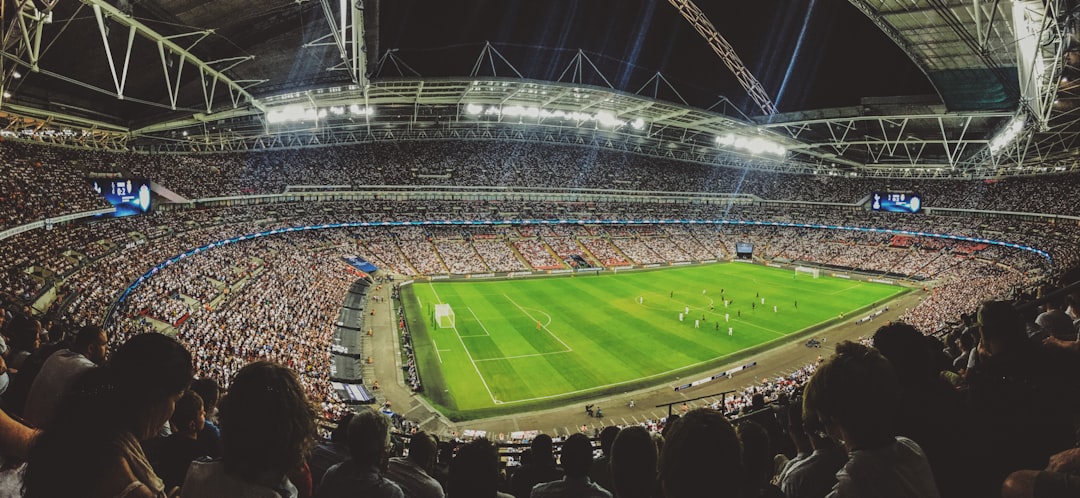
The White House World Cup task force confirmed this week that Iran’s national football team has secured entry visas. This decision ensures the squad will compete in the 2026 FIFA World Cup hosted across North America. Officials described the approval as a significant milestone for the tournament. The move comes despite long-standing diplomatic tensions between Washington and Tehran. This development guarantees that all forty-eight qualifying nations can participate on American, Canadian, and Mexican soil this summer.
- Iran’s national football team has received official visa approval for the 2026 tournament.
- The White House World Cup task force acknowledged the complexity of the vetting process.
- Strict security protocols remain in place for all visiting international delegations.
- The decision upholds host agreements regarding inclusive participation for all qualified teams.
In this article, you will learn about the diplomatic coordination required for the 2026 FIFA World Cup visas. We examine how the White House task force managed the entry of the Iranian delegation. Readers will also find details on the security frameworks governing this historic sporting event.
How did the visa approval process unfold for the Iranian team?
The process involved months of coordination between federal agencies and sporting bodies. The White House World Cup task force led the inter-agency effort. They worked closely with the Department of State and Homeland Security. These groups managed the rigorous background checks required for all athletes and staff.
The chief of the task force called the successful approval “pretty amazing.” This comment reflects the logistical hurdles faced by the administration. Vetting a large delegation from a nation with no formal diplomatic ties is difficult. However, the United States remains committed to its role as a neutral host for international sport.
FIFA requires all host nations to provide non-discriminatory entry for qualified teams. Failure to do so could jeopardize future hosting rights or lead to legal challenges. The 2026 tournament is the first to feature forty-eight teams. This expansion adds immense pressure to the existing immigration and security infrastructure.
Why is the White House calling this approval “amazing”?
The term “amazing” highlights the contrast between political reality and sporting requirements. Diplomatic relations between the US and Iran have been strained for decades. Sanctions and travel restrictions usually complicate travel for Iranian officials. Yet, the World Cup necessitates a temporary pause in these standard barriers.
The task force emphasized that the approval does not signal a change in foreign policy. Instead, it demonstrates the administration’s ability to execute complex international events. Security remains the primary concern for the host government. Every member of the Iranian contingent underwent individual screening.
“The goal is to ensure the tournament remains focused on sport rather than politics,” noted one senior official.
This sentiment is shared by the other host nations, Canada and Mexico. All three countries have harmonized their entry requirements for the summer. This coordination prevents logistical bottlenecks at the borders. It also ensures that teams can travel freely between match venues.
What are the security and logistical implications for North America?
The 2026 FIFA World Cup is the largest sporting event in history. Hosting matches in sixteen different cities requires unprecedented security cooperation. The visa approval for Iran is just one part of a broader safety strategy. Authorities must balance high-level security with a welcoming atmosphere for fans.
The FIFA World Cup 2026 tournament requirements mandate specific protections for all participants. These include secure transport, private training facilities, and dedicated accommodation. The US government has designated the tournament as a National Special Security Event. This status provides additional federal resources and coordination.
Experts suggest that sports diplomacy can sometimes bridge political gaps. While the visas are temporary, they allow for cultural exchange. Thousands of Iranian fans living in North America are expected to attend. Their presence will contribute to the diverse atmosphere of the games.
How does this impact the integrity of the tournament?
Ensuring all qualified teams can play protects the competitive integrity of the World Cup. If a team were excluded for political reasons, it would undermine the results. FIFA has historically taken a firm stance against government interference in sport. By granting these visas, the US avoids potential sanctions from the global governing body.
The logistics of the 2026 event serve as a blueprint for future multi-national hosts. The ability to process high-risk visas efficiently is a testament to the task force’s planning. It shows that even in a polarized world, international sport can proceed. This sets a positive precedent for the upcoming Olympic Games and other global events.
The Iranian team is now expected to arrive in North America three weeks before their first match. They will undergo final security briefings upon arrival at their base camp. Local law enforcement will provide twenty-four-hour security for the duration of their stay. This ensures the safety of both the players and the public.
As the opening match approaches, the focus shifts from paperwork to the pitch. The task force will continue to monitor all international arrivals. Their work ensures that the 2026 FIFA World Cup remains a safe and inclusive celebration. Fans can now look forward to seeing all forty-eight teams compete for the trophy. This milestone marks the final phase of preparation for a historic summer of football.


