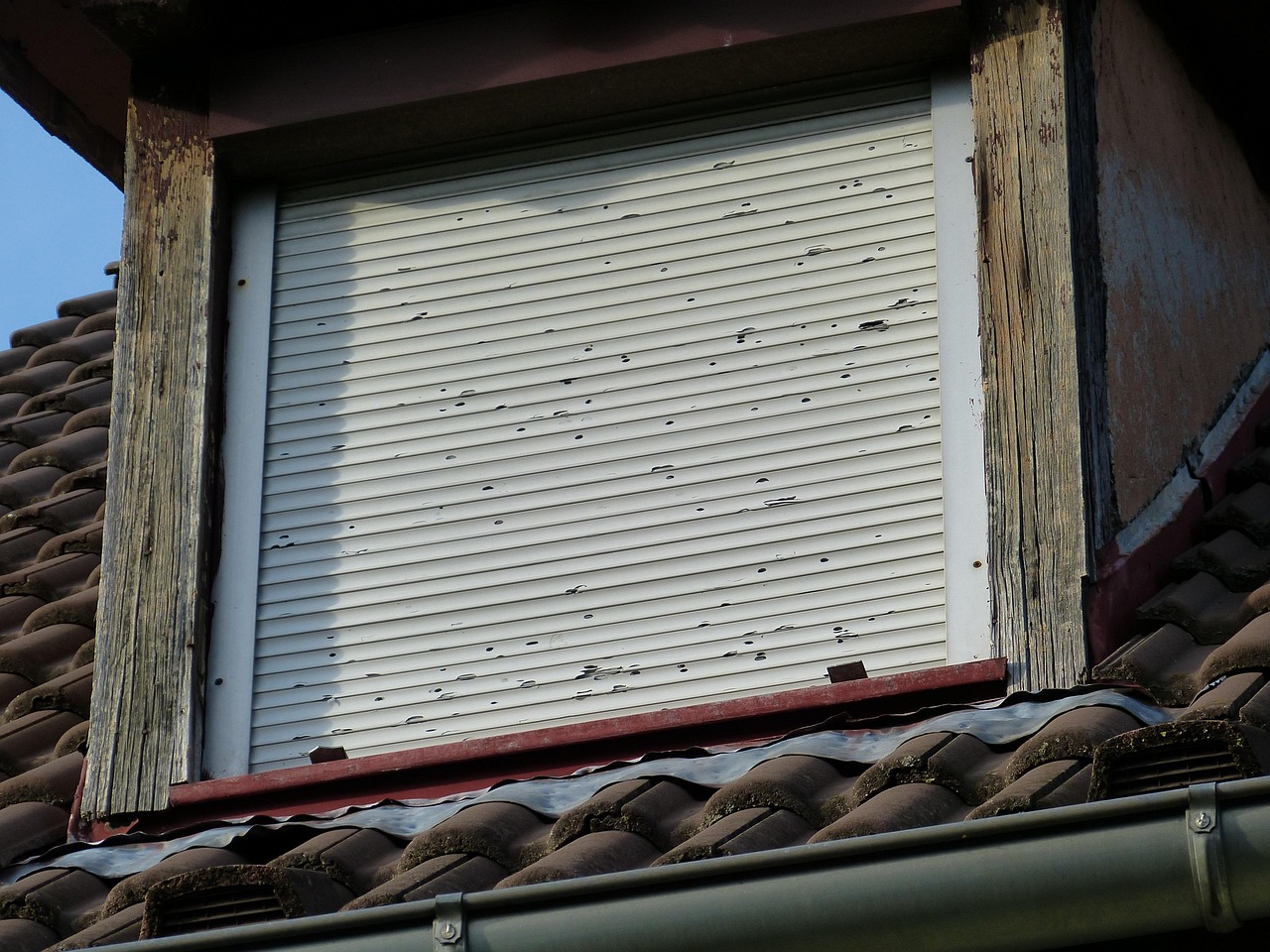
In June 2026, a catastrophic hailstorm struck Regina, Saskatchewan, causing over $80 million in estimated damages and triggering more than 10,000 insurance claims. This violent weather event battered the Queen City with golf-ball-sized ice, damaging thousands of vehicles and residential properties across the southern prairies. Residents and insurers now face a massive recovery effort as this storm marks the latest in a series of volatile weather patterns affecting Western Canada.
Readers will learn about the specific economic impacts of the 2026 storm, the current state of Regina hailstorm insurance claims, and how regional climate trends are reshaping the insurance landscape. Understanding these factors helps homeowners and businesses prepare for the increasing frequency of high-intensity weather events.
- Over 10,000 claims were filed within 14 days of the June storm.
- Insured losses have officially surpassed the $80 million mark.
- The storm highlights a 15% increase in severe weather frequency since 2020.
- Auto glass and roof replacements constitute the majority of current repair work.
Why is the 2026 Regina hailstorm a turning point for Saskatchewan insurance?
The scale of this storm caught many off guard despite modern early-warning systems. Historically, Regina experiences summer storms, but the density of the hail in June 2026 was unprecedented for an urban centre. This event forced local adjusters to implement emergency triage protocols to manage the sheer volume of inquiries.
Insurance providers have deployed mobile response units to the hardest-hit neighbourhoods. These units allow residents to start the claims process immediately, reducing the backlog at central offices. However, the surge in demand for materials like shingles and automotive glass is already straining local supply chains.
Economists suggest that the $80 million figure may rise as more commercial property assessments are completed. Small businesses in the downtown core reported significant damage to signage and HVAC systems. These secondary costs often take longer to calculate but impact the overall economic recovery of the province.
How does this event fit into Western Canada’s severe weather trends?
Western Canada is no stranger to hail, but the intensity of these storms is shifting. Meteorologists note that warmer atmospheric temperatures are providing more energy for storm cells to develop. This results in larger hail stones and higher wind speeds during the summer months.
Data from the Insurance Bureau of Canada severe weather report indicates that property damage from natural disasters is trending upward across the Prairies. The 2026 Regina event follows similar patterns seen in Calgary and Edmonton over the last five years. This trend forces a re-evaluation of risk models used by national insurers.
“We are seeing a clear shift in the severity of convective storms across the Saskatchewan plains, requiring a new approach to urban resilience.” — Regional Climate Analyst.
Urban planning must now account for these high-energy events. City officials are reviewing drainage systems and building codes to ensure future developments can withstand similar impacts. This proactive stance aims to reduce the financial burden on the public sector during future disasters.
What are the immediate implications for Regina homeowners?
Homeowners are currently navigating a complex landscape of deductible increases and premium adjustments. Many residents found that their existing policies had specific limits on hail damage that they were previously unaware of. This has led to a push for better consumer education regarding policy endorsements.
The automotive sector is seeing the most immediate pressure. With over 6,000 vehicle-related claims, local body shops are booked through the end of the year. Some insurers are offering cash settlements to policyholders who choose to keep functionally sound but aesthetically damaged vehicles.
Construction costs are also expected to spike in the Regina area. The sudden demand for roofing contractors has attracted out-of-province workers to fill the gap. Authorities are reminding residents to verify the credentials of any contractor to avoid post-storm scams.
How can residents mitigate future hail damage?
Prevention is becoming the primary focus for long-term residents. Installing impact-resistant roofing materials can significantly reduce the likelihood of a total loss. These materials, often rated Class 4, are designed to withstand the kinetic energy of large hailstones.
- Upgrade to impact-resistant shingles during your next roof replacement.
- Install permanent storm shutters on windows facing the prevailing wind direction.
- Ensure vehicles are parked in garages or under carports when storm warnings are active.
- Maintain trees and remove dead branches that could become projectiles.
The 2026 hailstorm serves as a stark reminder of the financial and emotional toll of severe weather. While insurance provides a safety net, the rising costs of claims will likely lead to higher premiums across the region. Adapting to this new reality through resilient building practices remains the most effective way to protect personal assets.
Saskatchewan residents are encouraged to review their policy coverage annually with their brokers. Ensuring that your dwelling and vehicle limits reflect current market values is essential for a full recovery. Taking these steps now ensures that you are financially prepared for the next time the prairie skies turn grey.