
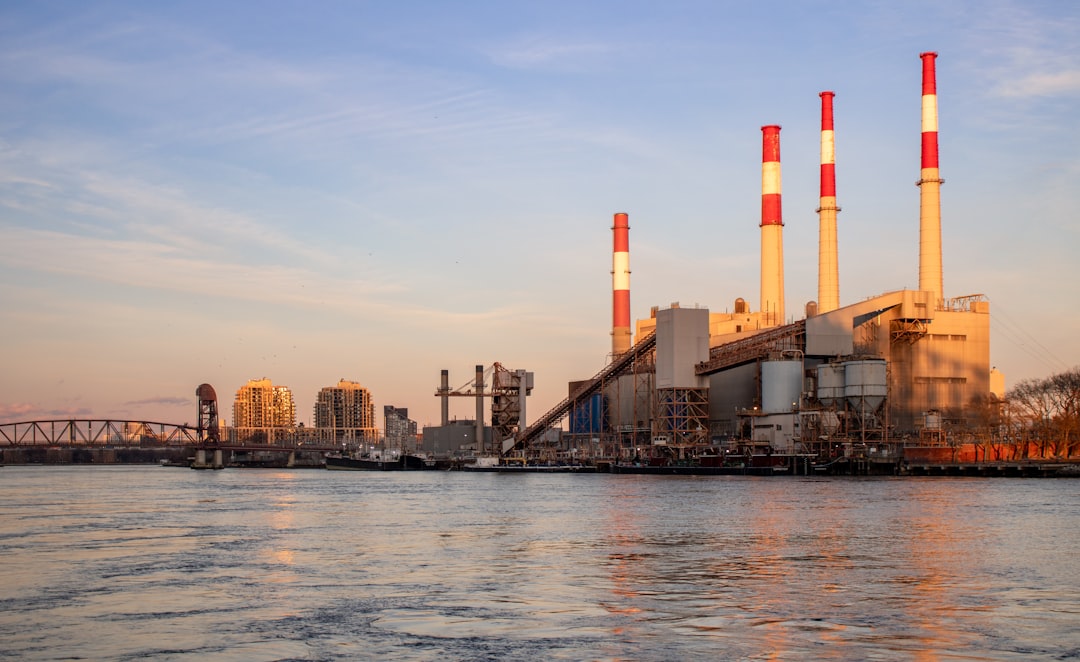
A massive explosion at the Ras Laffan LNG facility in Qatar on Tuesday morning has injured 54 people and left 18 workers missing. Qatar’s Ministry of Interior confirmed the blast occurred within the industrial city’s primary processing zone due to a technical malfunction. Emergency response teams remain on-site at the world’s largest liquified natural gas export hub to contain the situation and search for survivors.
This report examines the Ras Laffan LNG facility explosion and its immediate consequences for the global energy sector. Readers will learn about the scale of the incident, the current status of the missing personnel, and the potential impact on international gas supplies. This developing story highlights the critical vulnerabilities in high-pressure energy infrastructure during peak production cycles.
- 54 workers sustained injuries, with 18 individuals currently unaccounted for.
- The Ministry of Interior cites a technical malfunction as the primary cause.
- Ras Laffan is the central pillar of Qatar’s global LNG export operations.
Ras Laffan Industrial City is located approximately 80 kilometres north of Doha. It serves as the primary production site for QatarEnergy and its international partners. The facility processes gas from the North Field, the world’s largest non-associated gas reservoir.
The site is essential for maintaining global energy stability. It provides a significant portion of the natural gas consumed in Europe and Asia. Any disruption here creates immediate ripples across international commodity markets.
What caused the Ras Laffan LNG facility explosion?
Initial reports from the Ministry of Interior suggest the blast originated in a high-pressure heat exchanger. A technical malfunction led to a sudden release of pressurized hydrocarbons. This release triggered a secondary ignition that severely damaged the surrounding infrastructure.
Witnesses reported hearing a deafening roar followed by a visible fireball. The shockwave shattered windows in administrative buildings several kilometres away. Emergency automated systems triggered an immediate shutdown of the affected production train.
Safety protocols at the facility are among the most stringent in the world. However, the complexity of cryogenic processing involves inherent risks. QatarEnergy has launched a high-level technical committee to investigate the specific failure point.
The investigation will focus on maintenance records and sensor data. Preliminary data suggests a possible fatigue failure in a critical valve assembly. This component was reportedly scheduled for inspection later this month.
How will this impact global energy supplies?
Global energy markets reacted instantly to news of the explosion. Natural gas futures in London and Singapore saw an immediate price increase. Analysts worry that a prolonged shutdown of the facility could tighten global supplies during the winter season.
Qatar provides roughly 20 percent of the world’s LNG supply. Most of this volume flows directly through the Ras Laffan terminal. Even a minor reduction in output can cause significant price volatility for international buyers.
Energy security experts are closely monitoring the duration of the outage. The International Energy Agency emphasizes the importance of global energy security standards and supply chain resilience during such unforeseen events. Diversification of supply remains a priority for many importing nations.
Market analysts suggest that other producers may need to increase output. However, global spare capacity is currently limited. This puts additional pressure on storage reserves in the Northern Hemisphere.
What is the status of the search and rescue operation?
Search and rescue teams are navigating debris in the impact zone. Specialized units are using thermal imaging and canine teams to locate the 18 missing individuals. The high heat levels initially hampered the speed of the rescue efforts.
The 54 injured workers are receiving treatment at nearby medical facilities. Reports indicate that twelve individuals remain in critical condition with severe burns. Local hospitals have activated emergency protocols to handle the influx of patients.
Families of the workers are gathered at a designated information centre. Qatar’s government has promised full transparency throughout the recovery process. Support services are being provided to all affected staff and their relatives.
The Ministry of Public Health is coordinating the medical response. They have deployed additional trauma specialists to the region. Air ambulances are on standby for any necessary medical evacuations to Doha.
What are the long-term implications for the industry?
This incident will likely prompt a global review of LNG safety standards. Industrialized nations are increasingly reliant on liquified gas as a transition fuel. Ensuring the safety of these massive processing hubs is a matter of national security.
Insurance premiums for large-scale energy projects may see an upward adjustment. Risk assessment models will now incorporate the data gathered from this malfunction. The industry must balance the drive for higher production with rigorous safety maintenance.
Technological upgrades may become mandatory across older processing trains. Real-time acoustic monitoring and advanced AI diagnostics could prevent similar failures. Companies will likely accelerate the adoption of these remote sensing technologies.
The focus remains on the human cost of the tragedy. Industry leaders are calling for a renewed commitment to worker safety protocols. The lessons learned from Ras Laffan will shape the future of energy infrastructure management.
Authorities expect to provide a detailed update on the missing personnel within 24 hours. Recovery of the facility will take months of specialized engineering work. Operations in unaffected areas of the industrial city continue under heightened surveillance.
Stakeholders should prepare for continued market fluctuations in the short term. Monitoring official updates from the Ministry of Interior is essential for accurate information. The resilience of the global energy network is once again being tested by unforeseen technical failure.


