
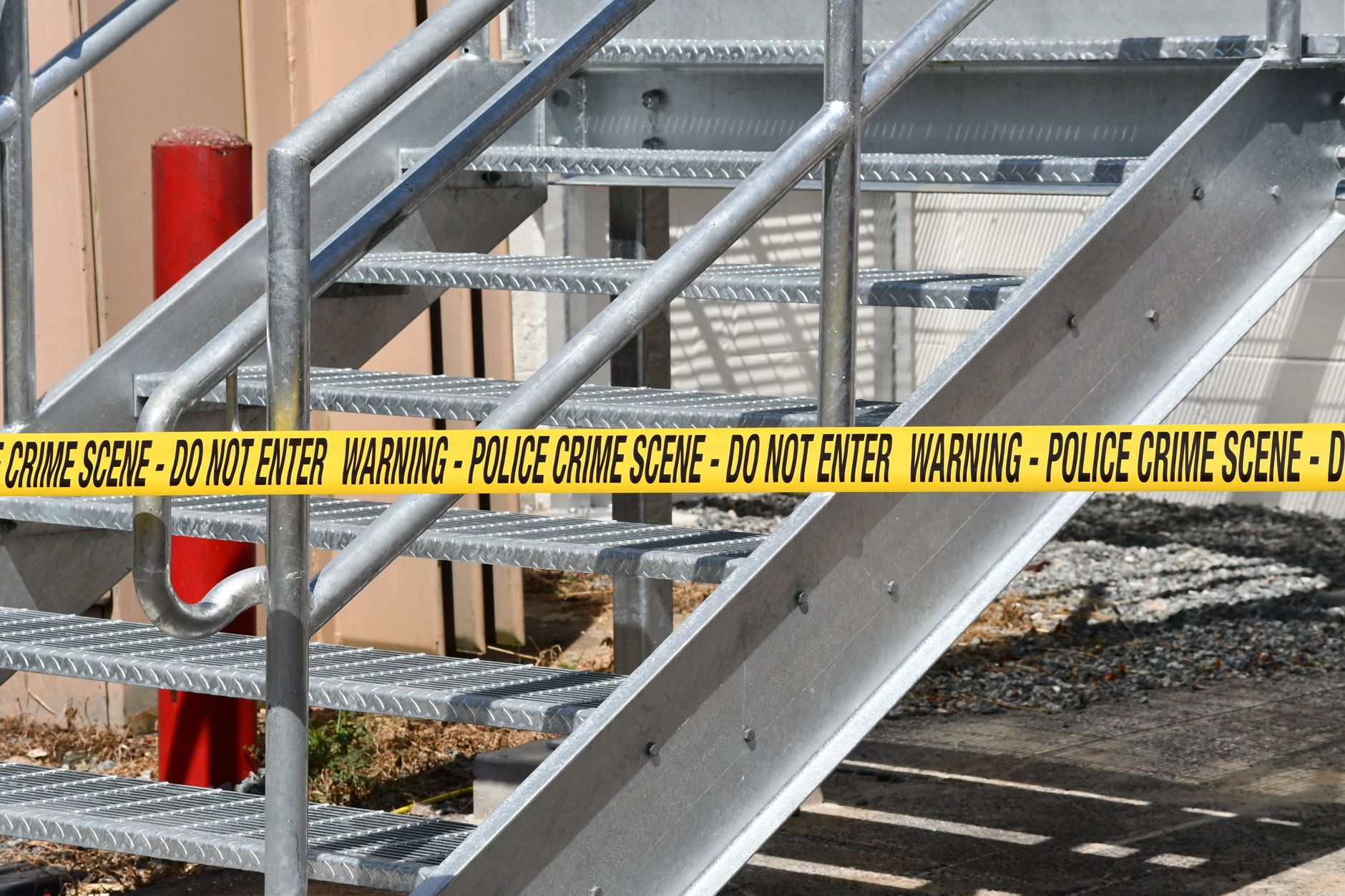
Montreal law enforcement officials are currently scrutinizing new video evidence following a fatal gun battle that occurred on Monday. The confrontation involved an active shooter and local police officers in a high-traffic area of the city. One bystander lost their life during the exchange of gunfire. Investigators are working to determine if the fatal shot came from police or the suspect. This article explores the details of the emerging footage and the official response to the tragedy. Readers will learn about the current status of the forensic investigation and the impact on local safety protocols.
- Newly released civilian videos show a chaotic gun battle between a suspect and Montreal police.
- A bystander was killed during the incident, but the source of the shot remains unconfirmed.
- The active shooter was pronounced dead at the scene following the tactical engagement.
- Quebec’s independent police watchdog has assumed control of the investigation to ensure transparency.
How does the emerging video footage impact the investigation?
Several videos surfaced on social media platforms shortly after the incident concluded. These recordings provide multiple angles of the violent confrontation. Two specific clips have become the primary focus for forensic analysts. They show a bystander caught in the direct line of fire. The footage depicts the civilian collapsing as officers advanced on the suspect. However, the visual evidence remains inconclusive regarding the exact moment of impact. The grainy nature of the footage makes it difficult to track every projectile.
Police have acknowledged the existence of these videos but urge public caution. They stated that digital evidence is only one part of a complex puzzle. Ballistic testing will be required to match the fatal bullet to a specific firearm. This process often takes several weeks to complete in a laboratory setting. Forensic teams are currently mapping the scene using three-dimensional laser scanning technology. This will help recreate the trajectories of every shot fired during the battle.
Why is the cause of the civilian death still unconfirmed?
The chaotic nature of an active shooter environment creates significant investigative challenges. During the Monday incident, dozens of rounds were exchanged in a very short period. The suspect was reportedly using a high-capacity firearm. Officers were also forced to return fire to protect the public. This overlap of gunfire makes immediate identification of the lethal shot nearly impossible. Medical examiners are conducting a thorough autopsy to recover any metallic fragments.
The Bureau des enquêtes indépendantes has taken over the lead on this case. This agency investigates whenever a person dies during a police intervention in Quebec. Their involvement is a standard legal requirement to maintain objectivity. They will interview all witnesses who were present on the street that day. Investigators are also seeking additional high-definition security footage from nearby businesses. Every second of the interaction is being meticulously timed and synchronized.
What are the broader implications for public safety in Montreal?
This incident has sparked a renewed debate regarding urban safety and police tactics. Residents have expressed concern over the level of violence seen in recent quarters. City officials are under pressure to address the rise in public firearm discharges. The mayor has promised a full review of security measures in the affected district. Community leaders are calling for increased mental health resources and preventative policing. They argue that early intervention could prevent such escalations in the future.
The use of body-worn cameras is also back in the spotlight. Some advocates argue that official footage would have provided immediate clarity. Current police protocols are being reviewed to assess bystander protection during active fire. Training programs may be updated based on the findings of this specific case. The goal is to minimize risks to civilians during high-stakes tactical operations. Public trust in law enforcement hinges on the transparency of the final report.
How is the community reacting to the tragedy?
Local residents have created a makeshift memorial near the site of the shooting. Flowers and candles mark the spot where the bystander fell. Many citizens feel a sense of shock that such violence occurred in broad daylight. Support services are being offered to those who witnessed the traumatic event. Counselors are working with local schools to help students process the news. The identity of the victim is being withheld until all family members are notified.
Business owners in the area report a significant drop in foot traffic this week. Many chose to close their doors temporarily out of respect for the deceased. There is a palpable sense of grief mixed with a demand for answers. The community is waiting for a formal statement from the coroner’s office. This report will likely provide the definitive cause of death for the civilian. Until then, the city remains in a state of mourning and high alert.
The investigation into the Montreal shooting continues as technicians process the digital and physical evidence. Authorities have promised to release a detailed timeline once the ballistic reports are finalized. This case highlights the complexities of modern policing in densely populated urban environments. Understanding the sequence of events is crucial for preventing future loss of life. The final conclusions will play a vital role in shaping future safety policies across the province. For now, the city focuses on healing while awaiting the truth of that tragic Monday.


