
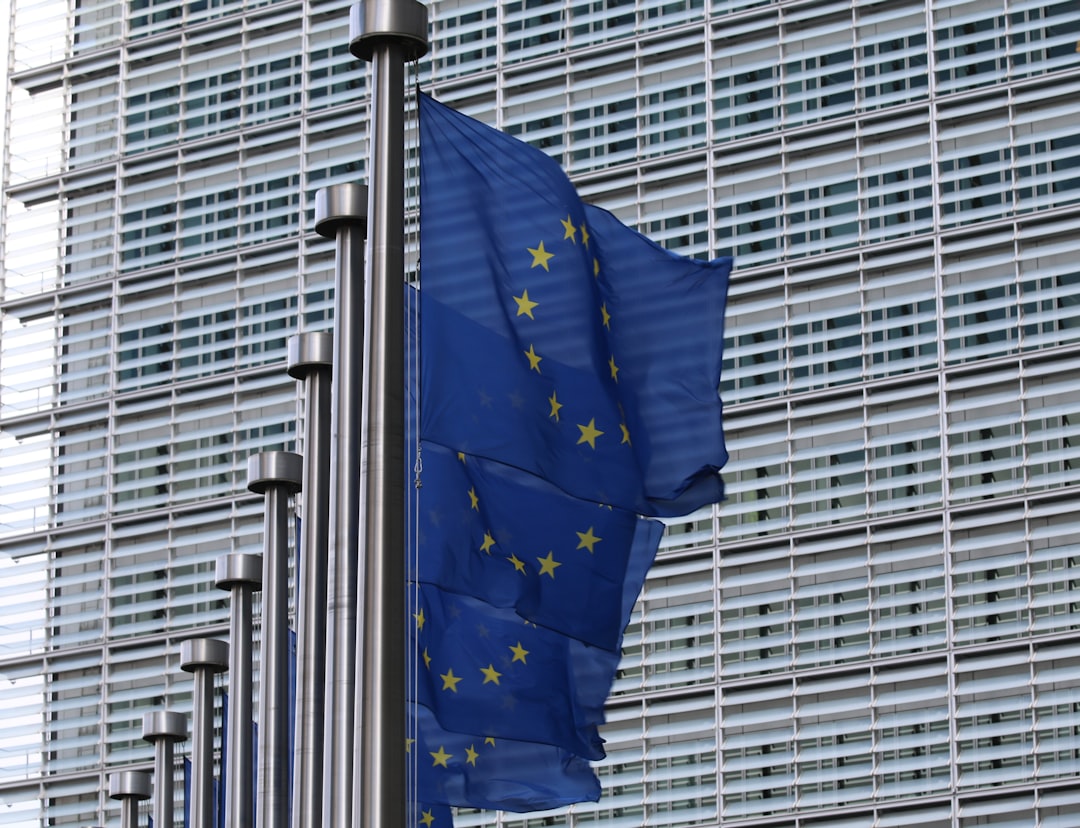
European Union officials are currently hosting a delegation of Taliban representatives in Brussels to address irregular migration. This high-stakes summit focuses on the repatriation of Afghan nationals who lack a legal right to stay in Europe. Readers will learn about the logistical frameworks, diplomatic pivots, and the practical mechanisms for these proposed deportations. The discussions represent a significant shift in the bloc’s approach to regional stability and border management. This meeting aims to establish formal protocols for returning individuals to Afghanistan safely and efficiently. By engaging directly with the current administration in Kabul, the EU seeks to resolve long-standing administrative stalemates. The outcome of these talks will likely influence migration policies across the entire continent in the coming years.
- The EU is negotiating directly with the Taliban regarding the return of Afghan migrants.
- Discussions prioritize creating safe, structured deportation pathways for those without right-to-stay status.
- Member states seek a unified approach to mitigate the ongoing humanitarian and administrative pressures.
The Context of Shifting Migration Trends
Migration trends have shifted significantly throughout the last year. In recent quarters, the number of asylum seekers from Afghanistan has increased steadily. Many European nations have struggled to process these applications efficiently. Late last year, several member states requested a more unified approach to repatriations. The lack of a formal return agreement has created a legal vacuum for authorities. This summit represents the first major attempt to fill that gap through direct negotiation.
How will the EU manage the deportation of Afghan nationals?
The primary goal of the Brussels meeting is to streamline the return process. EU negotiators are seeking guarantees for the safety of returnees. They also want to establish clear identification procedures for Afghan citizens. This collaboration marks a pragmatic shift in European foreign policy. The EU aims to create a structured programme for the safe return of citizens. Officials are discussing the technical requirements for travel documents and flight arrangements.
What logistical hurdles do negotiators face?
Establishing a reliable identification system is a top priority for Brussels. Many individuals arrive in Europe without valid documentation or passports. This makes verifying their nationality and origin extremely difficult for authorities. The Taliban delegation is providing technical data to assist in this verification process. Additionally, the parties must agree on the frequency and capacity of return flights. Coordinating these flights requires immense logistical planning and significant financial resources. The EU is also considering the use of commercial airlines for some returns.
What are the primary drivers for this diplomatic engagement?
Domestic political pressure across Europe has intensified in recent months. Many governments face a backlog of deportation orders that remain unfulfilled. Direct talks provide a way to resolve these administrative stalemates. The bloc hopes to reduce the number of undocumented individuals residing in member states. Political leaders are under intense scrutiny to manage border security more effectively. Consequently, the bloc is exploring all available avenues to resolve the current impasse.
The role of neighbouring countries in regional stability
Countries like Pakistan and Iran play a crucial role in regional migration. They have hosted millions of Afghan refugees for several decades. The EU is coordinating with these nations to manage transit and logistics. Stabilizing the region requires a collaborative effort from all major stakeholders. Brussels is offering financial assistance to help these countries manage their borders. This regional approach aims to prevent further displacement and irregular movement. Effective cooperation with neighbours is a cornerstone of the broader migration strategy.
What are the legal and human rights implications for returnees?
Human rights organizations are closely monitoring the details of these negotiations. The European Commission migration and asylum policies mandate the protection of vulnerable individuals. Experts suggest that any agreement must include rigorous monitoring of returnees’ safety. Furthermore, the EU must ensure that returns do not violate international non-refoulement principles. Perspectives from legal scholars emphasize the need for transparency in the deportation process. The bloc is currently reviewing the safety conditions in various Afghan provinces.
How will the EU support the reintegration of returnees?
Providing support for those returning to Afghanistan is a key part of the plan. The EU intends to fund reintegration programmes to help individuals start over. These programmes often include vocational training and small business grants. Successful reintegration reduces the likelihood of individuals attempting to migrate again. However, monitoring the distribution of these funds within Afghanistan is a challenge. Negotiators are discussing ways to ensure that aid reaches the intended recipients. This economic support is vital for the long-term success of the migration agreement.
What does this mean for the future of EU-Afghan relations?
This engagement does not necessarily signal full diplomatic recognition of the Taliban. It reflects a functional necessity to manage shared borders and populations. Future cooperation may depend on the successful implementation of these migration agreements. The outcome of these talks will likely set a precedent for other international bodies. Nations like Germany and France have expressed strong support for these talks. They face the highest numbers of asylum applications and subsequent appeals. In contrast, some smaller states are more cautious about direct engagement.
The successful creation of a deportation framework could significantly alter European migration trends. As the situation evolves, the focus remains on balancing security with humanitarian standards. Member states are preparing for the potential implementation of these new protocols. The success of the programme depends on continued cooperation between all parties involved. As the Brussels summit concludes, the international community awaits the first tangible results. Ensuring a safe and organized return process remains the primary objective for all negotiators.


