
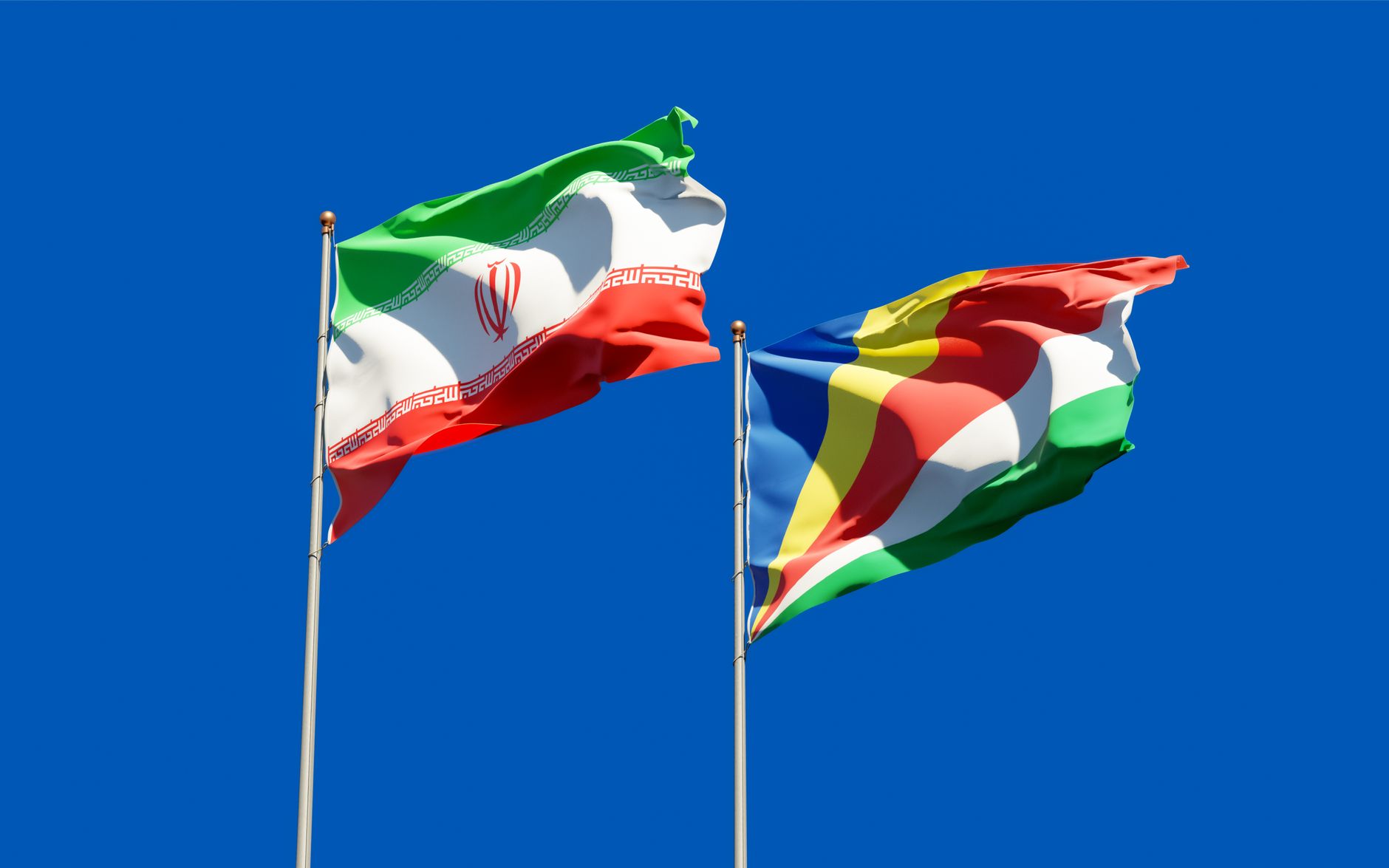
Iranian President Masoud Pezeshkian arrived in Islamabad recently for a high-profile diplomatic mission. This visit marks his first international journey since the commencement of the Iran war. It follows crucial discussions held in Switzerland involving United States representatives just one day prior. The visit signals a strategic shift in Tehran’s regional engagement and security priorities. Readers will learn how this meeting impacts Middle Eastern stability and South Asian trade corridors.
- President Pezeshkian makes his first foreign trip since the regional conflict began.
- The visit follows secretive high-level negotiations with US officials in Switzerland.
- Security cooperation and energy infrastructure dominate the bilateral agenda in Islamabad.
- Pakistan serves as a critical mediator between Tehran and Western interests.
Why is Pakistan the primary destination for Tehran?
Tehran views Islamabad as a vital strategic partner during this volatile period. Pakistan shares a lengthy and complex border with Iran. Maintaining stability along this corridor is essential for Iranian domestic security. Recent military developments have made regional alliances more critical than ever.
President Pezeshkian aims to solidify security pacts during his stay. These pacts focus on counter-terrorism and border management. Both nations face threats from insurgent groups in the Balochistan region. Collaborative efforts are necessary to prevent cross-border escalations.
Economic survival also drives this diplomatic outreach. Iran seeks to bypass international restrictions through regional trade. Pakistan offers a potential gateway to broader Asian markets. The two leaders will discuss the long-delayed gas pipeline project. This infrastructure remains a cornerstone of their bilateral economic vision.
What was achieved during the Switzerland talks?
The Switzerland talks represented a significant shift in global diplomacy. Representatives from Tehran and Washington met in a neutral setting. These discussions focused on de-escalation and humanitarian corridors. The timing of Pezeshkian’s Pakistan trip suggests a coordinated regional strategy.
Observers believe the Switzerland meetings laid a foundation for peace. Details of the specific agreements remain classified for now. However, the move toward dialogue has calmed global energy markets. Pezeshkian likely intends to brief Pakistani leadership on these developments. Pakistan has often acted as a quiet intermediary for Iran.
The president’s presence in Islamabad reinforces his commitment to diplomacy. He is moving away from isolationist policies seen in previous quarters. This proactive approach seeks to build a protective ring of allies. Such alliances are crucial for Iran’s post-war recovery and reconstruction.
How does this affect regional security?
Regional security dynamics are currently in a state of flux. The Iran-Pakistan relationship acts as a stabilizer for South Asia. Any cooperation here reduces the risk of a wider continental conflict. Neighbours like India and China are watching these developments closely.
China has invested heavily in Pakistani infrastructure through the CPEC initiative. Iran’s integration into these trade routes could alter regional power balances. Pezeshkian’s visit may facilitate new tripartite security arrangements. These arrangements would focus on protecting vital maritime trade routes.
The United Nations Security Council continues to monitor regional ceasefire agreements. International observers emphasize the need for transparent diplomatic channels. Pezeshkian’s arrival in Islamabad provides a platform for such transparency. It demonstrates a willingness to engage with established international norms.
What are the economic implications for the region?
Economic cooperation remains a top priority for both administrations. Iran possesses vast energy reserves that Pakistan desperately needs. Conversely, Pakistan offers agricultural products and manufactured goods. Strengthening these ties could mitigate the impact of global sanctions.
The proposed energy corridor could transform the regional economy. It would provide a steady supply of natural gas to Pakistan’s industry. This would likely lower production costs and boost local exports. Investors are looking for signs of long-term political commitment. This visit provides the necessary assurance for major capital projects.
What is the role of border management?
Effective border management is essential for successful trade. Both countries have pledged to increase the number of official crossings. This will facilitate the movement of goods and people. It also helps in monitoring illegal smuggling activities.
Security forces on both sides are increasing their coordination. Joint patrols have become more frequent in recent months. These measures aim to protect commercial convoys from militant attacks. A secure border is the foundation of the new economic roadmap.
How do expert perspectives view this trip?
Diplomatic analysts describe the visit as a masterstroke of timing. Pezeshkian is leveraging the momentum from the Switzerland talks. He is positioning Iran as a responsible regional actor. This helps in rebuilding trust with the international community.
Experts suggest that Pakistan’s role is more than just a neighbour. Islamabad acts as a bridge between the East and the West. By visiting now, Pezeshkian secures his eastern flank. This allows Tehran to focus on internal stability and recovery.
The visit to Islamabad signals a new era of Iranian foreign policy. It prioritizes regional solidarity over ideological confrontation. The outcomes of these meetings will shape the geopolitical landscape for years. Ongoing cooperation between Iran and Pakistan remains vital for continental peace. This diplomatic mission marks a decisive step toward a more integrated and stable region.


