
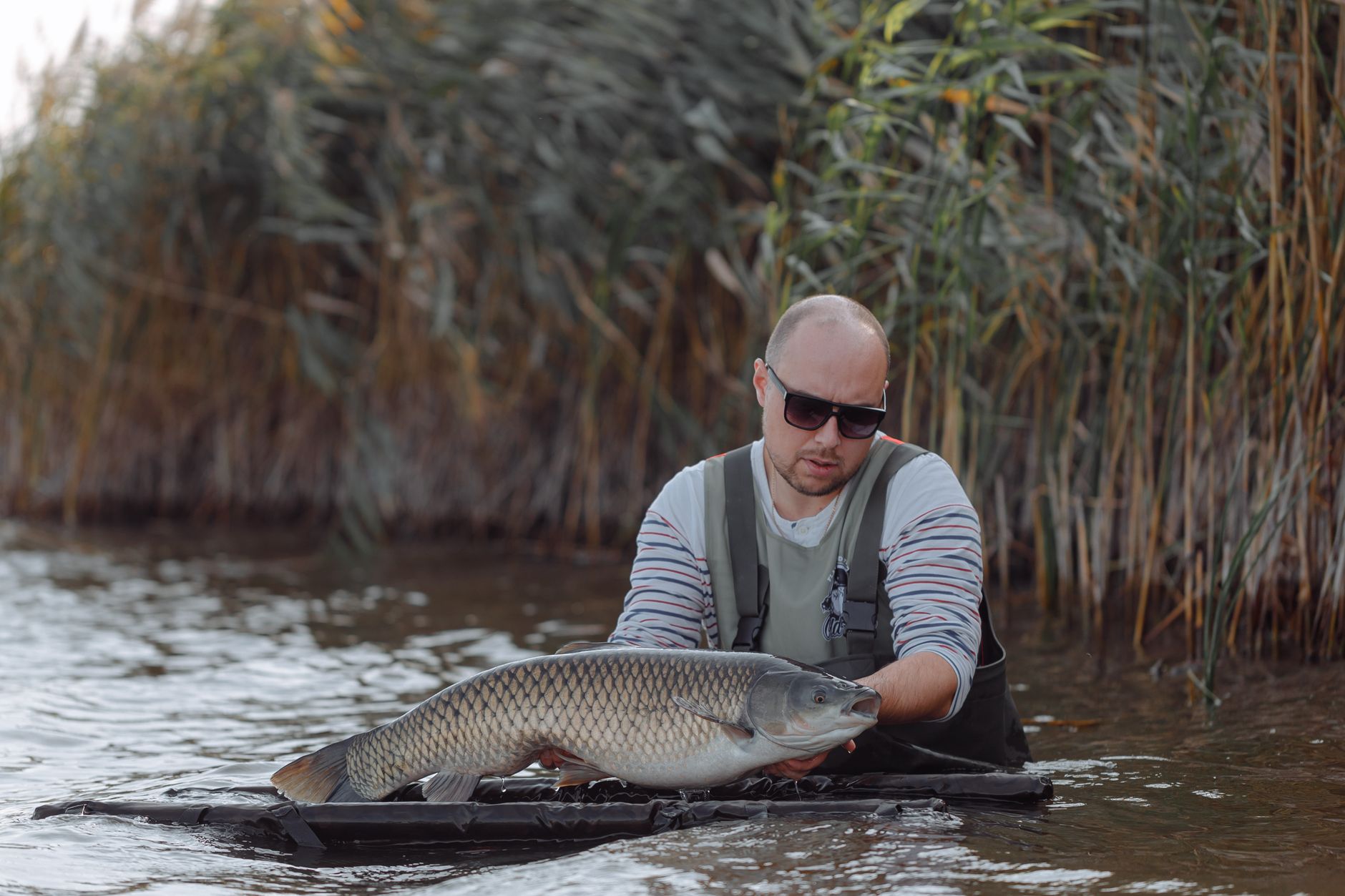
Laboratory results have confirmed the presence of invasive Prussian carp in Sylvan Lake. This discovery marks a critical turning point for the local aquatic ecosystem. These fish are closely related to common goldfish and pose similar threats. They are known to disrupt habitats and outcompete native species for food. Local authorities are now assessing the extent of the infestation. This article details the biological impact of the carp and the necessary response from the community.
- Confirmed lab results verify Prussian carp are now established in Sylvan Lake.
- The species utilizes asexual reproduction to rapidly increase population density.
- Native fish species face severe competition for limited food and habitat resources.
- Public reporting and strict adherence to containment protocols are essential for management.
What makes Prussian carp a threat to Sylvan Lake?
Prussian carp are highly adaptable and resilient. They thrive in environments where native fish struggle to survive. These invaders consume vast amounts of aquatic vegetation and invertebrates. This behavior directly reduces the food available for native trout and perch. The carp also stir up sediment while feeding on the lake bottom. This increases water turbidity and harms the overall water quality.
Recent observations suggest the carp are spreading through interconnected waterways. They often enter new lakes through illegal bait dumping or flooding events. Once established, they are nearly impossible to eradicate completely. Their presence often leads to a decline in biodiversity within the lake. Anglers may notice fewer native catches as the carp population grows. This shift impacts the ecological balance of the entire region.
How does the species reproduce so quickly?
One of the most alarming traits of Prussian carp is their reproductive strategy. They utilize a process called gynogenesis to create clones of themselves. Female carp use the sperm of other fish species to trigger egg development. This means they do not require male Prussian carp to reproduce. A single female can start an entire colony in a new environment. This ability allows their numbers to explode in a very short time.
In recent years, other Alberta water bodies have seen similar population spikes. Biologists have noted that Prussian carp can survive in low-oxygen conditions. They also tolerate high levels of pollution better than native species. These factors give them a significant advantage in changing climates. Sylvan Lake provides an ideal habitat for this rapid expansion. The lake’s popularity also increases the risk of human-assisted spread.
What are the implications for local anglers and tourism?
Sylvan Lake is a premier destination for recreational fishing and tourism. The arrival of an invasive species threatens these economic drivers. If native fish populations dwindle, the lake becomes less attractive to anglers. This could lead to a decrease in local business revenue. Boat rentals and fishing charters may see a decline in demand. Protecting the lake’s reputation is a priority for the local government.
Officials are currently reviewing Alberta’s official invasive species management protocols to determine the next steps. These guidelines help prevent the further spread of aquatic threats. Mitigation may include increased monitoring and public education campaigns. It is vital for boaters to clean, drain, and dry all equipment. These simple steps can prevent the movement of eggs and small fish. Every visitor plays a role in protecting Sylvan Lake.
How can the community help manage the infestation?
Public awareness is the first line of defence against invasive species. Residents should learn to identify Prussian carp correctly. They typically have a silver or greyish-brown appearance. Their bodies are deep and compressed compared to native minnows. If you catch one, do not release it back into the water. Instead, authorities recommend disposing of the fish in the trash.
Reporting sightings through official channels is also highly encouraged. Detailed data helps biologists track the movement of the population. Take clear photos of any suspected invasive fish you encounter. Note the exact location and time of the sighting. This information is crucial for developing effective management strategies. Collaboration between the public and scientists is essential for success.
The discovery of Prussian carp in Sylvan Lake is a serious ecological concern. It highlights the vulnerability of local ecosystems to human-introduced threats. Continued vigilance and strict containment measures are required to protect the lake. While eradication is difficult, management can limit the damage to native species. The community must act now to preserve the natural beauty of Sylvan Lake for future generations. Consistent effort will ensure the ecosystem remains healthy and vibrant despite this new challenge.


