
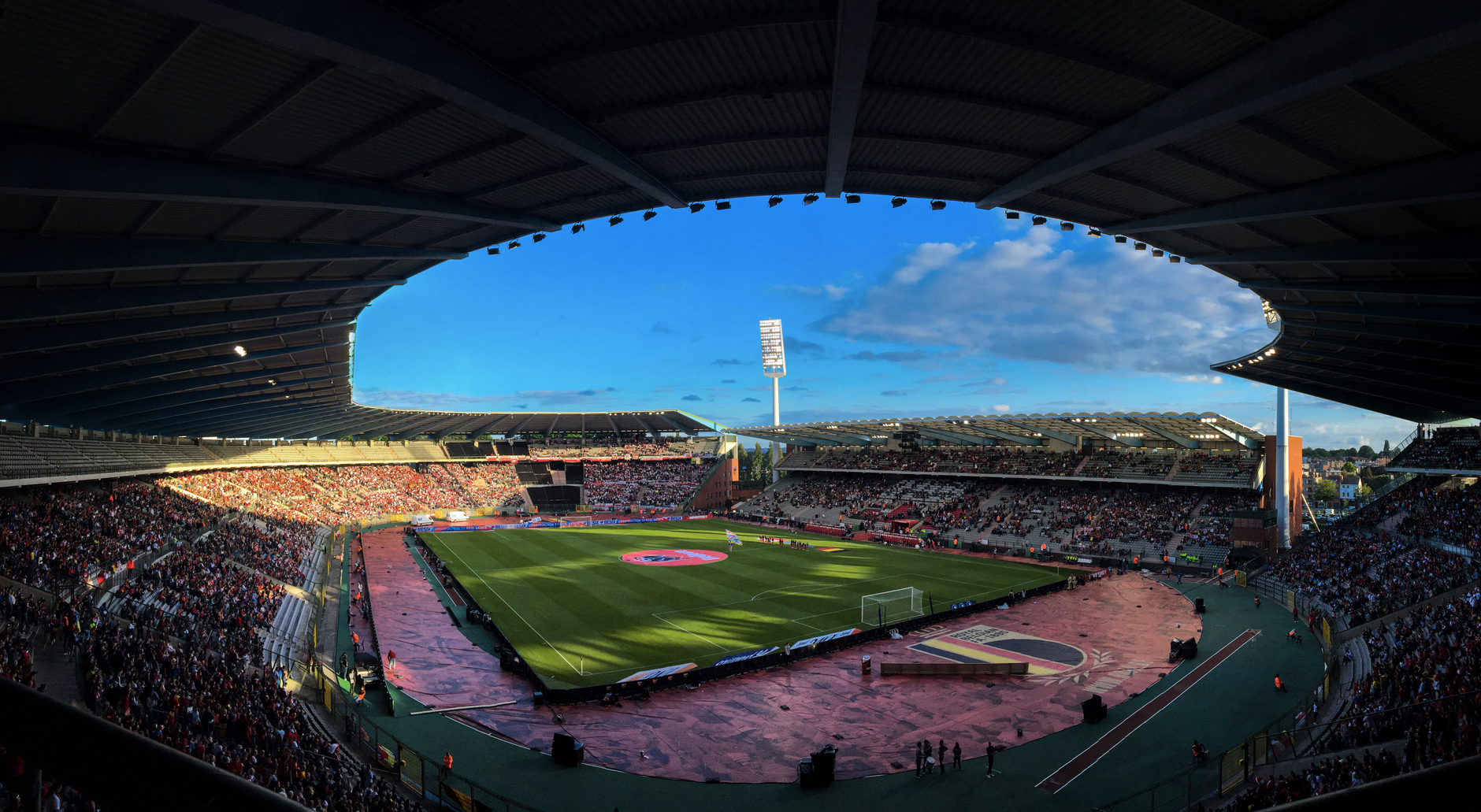
Belgium has recently secured top position in Group G at the World Cup, ensuring their advancement to the highly anticipated knockout stage. This critical progression was largely propelled by a decisive double strike from Arsenal’s Leandro Trossard during their recent match against New Zealand. The result unfortunately marked the end of New Zealand’s campaign in the global football spectacle.
This article will delve into the strategic advantages of Belgium’s group-topping finish, the significant impact of Trossard’s offensive contributions, and the broader implications for both competing nations within the tournament context.
- Belgium topped Group G at the recent World Cup, successfully advancing to the knockout rounds.
- Leandro Trossard, forward for Arsenal, scored two crucial goals against New Zealand.
- New Zealand’s World Cup journey concluded following their group stage performance.
- Egypt was also a participant in the competitive Group G alongside Belgium and New Zealand.
Belgium’s Dominance and Group G Ascent
Belgium’s performance in Group G culminated in a commanding first-place finish. This outcome positions the European squad favourably for the subsequent knockout phase. Their strategic approach and execution across the group matches proved effective.
Topping a group often means facing a theoretically weaker opponent in the Round of 16. This provides a tangible advantage, potentially easing their path towards the tournament’s later stages.
The team demonstrated a blend of defensive solidity and potent attacking play. This balance was essential in navigating a challenging group that included New Zealand and Egypt.
Leandro Trossard: The Decisive Factor
Leandro Trossard emerged as a pivotal player for Belgium in their critical encounter with New Zealand. His two goals were instrumental in breaking the deadlock and securing victory. Trossard’s clinical finishing highlighted his importance to the national team.
The Arsenal forward’s ability to perform under pressure is a significant asset. Such individual brilliance often provides the spark needed to overcome stubborn defences. His contributions have undoubtedly boosted team morale.
Fans and analysts alike have praised Trossard’s tactical awareness and goal-scoring instincts. These qualities are vital for any team aspiring to deep tournament runs.
New Zealand’s World Cup Campaign Concludes
The recent match against Belgium brought New Zealand’s World Cup participation to an end. Despite their commitment and effort, the team was unable to secure the necessary points for progression. Their exit concludes a challenging but valuable experience.
For nations like New Zealand, qualification for the World Cup is a monumental achievement in itself. It provides unparalleled exposure and competitive experience against global football giants.
The All Whites, as they are known, will now reflect on their performances. This period of assessment is crucial for identifying areas of growth and planning for future international competitions.
Strategic Implications for the Knockout Stage
Belgium’s status as a group winner carries significant strategic weight. It dictates their seeding in the knockout bracket, influencing their immediate opponent. This can be a crucial psychological and tactical advantage.
Teams that top their groups often avoid other major contenders in the initial knockout rounds. This allows them to build rhythm and confidence before facing tougher competition. The path ahead requires sustained focus.
Football analysts will now scrutinize Belgium’s potential opponents. The tactical matchups in the knockout stage are often decided by fine margins and strategic planning.
Expert Perspectives on Tournament Performance
Football experts frequently emphasize the unpredictable nature of the World Cup group stage. Every match presents unique challenges, and upsets are not uncommon. Teams must adapt quickly to diverse playing styles.
The ability to secure results against various opponents is a hallmark of strong contenders. Belgium demonstrated this resilience throughout their group fixtures.
As noted by various sports commentators, consistent performance across multiple games is more indicative of a team’s strength than isolated victories. This consistency is what propels teams like Belgium forward.
For a detailed breakdown of tournament regulations and group stage mechanics, official resources such as the FIFA World Cup website provide comprehensive insights into how teams navigate these competitions.
Future Outlook for Belgium and New Zealand
For Belgium, the focus immediately shifts to the demanding knockout rounds. Their objective will be to maintain momentum and capitalize on their strong group performance. The squad’s depth and experience will be severely tested.
They will aim to leverage their collective talent and Trossard’s recent form to push deeper into the tournament. Each subsequent match becomes a final, demanding peak concentration and flawless execution.
New Zealand, while exiting, gains invaluable experience from their participation. This exposure to top-tier international football is vital for the development of their national program. It inspires young athletes across the country.
The lessons learned from competing against formidable opponents like Belgium will inform their strategies for future qualification campaigns. Building on this foundation is critical for the growth of football in New Zealand.


