
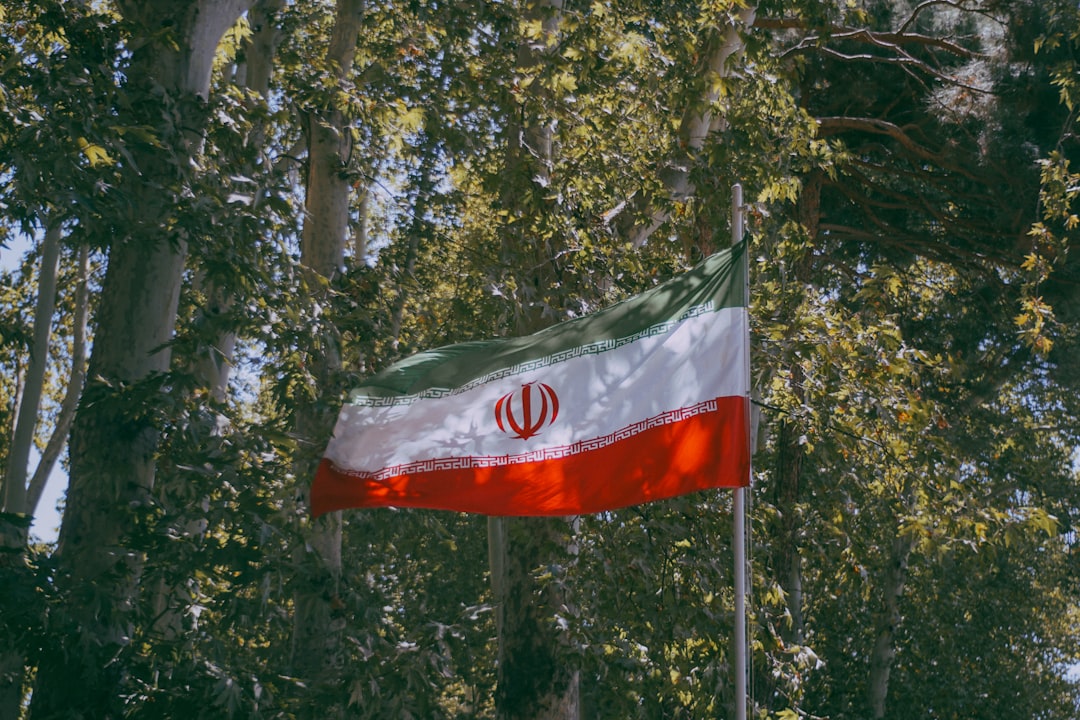
Team Melli’s aspirations for the 2026 World Cup knockout stage ended abruptly recently. Iran’s fate was sealed following a dramatic 3-3 draw between Austria and Algeria in their final group stage fixture. This outcome meant Iran could not advance, leading to their elimination from the highly anticipated tournament. Readers will learn the precise circumstances of Iran’s exit and its broader implications for national football.
- Team Melli has been eliminated from the 2026 FIFA World Cup.
- A 3-3 draw between Austria and Algeria ultimately decided Iran’s group stage fate.
- The result ended Iran’s hopes of progressing to the knockout rounds.
- This exit prompts a review of Iranian football’s strategic direction.
What Led to Team Melli’s Elimination?
Iran entered the final matchday of the group stage needing specific results to advance. Their own performance earlier in the tournament had positioned them precariously. Points and goal difference were critical factors for progression.
Team Melli had fought hard through their previous fixtures. However, the competitive nature of the group meant every point mattered. Their destiny ultimately rested on results beyond their direct control.
The Decisive Austria-Algeria Encounter
The match between Austria and Algeria proved pivotal. Both teams played with intensity, knowing the implications for the group. A draw in this fixture created a scenario that mathematically excluded Iran.
Reports indicated a back-and-forth contest with multiple lead changes. The 3-3 final score was a testament to the teams’ determination. This specific outcome prevented Team Melli from securing a top-two finish or a valuable third-place spot, depending on tie-breaker rules.
How Does This Impact Iranian Football?
Iran’s exit from the 2026 World Cup marks a significant moment for the national team. For fans, the disappointment is palpable. Many had harboured hopes of seeing Team Melli reach the knockout stage for the first time.
This outcome will undoubtedly spark discussions within the Iranian football federation. Questions about coaching strategies, player development, and future preparations will arise. Sustained performance on the global stage remains a key objective.
Navigating Future Challenges and Opportunities
The competitive landscape of international football is constantly evolving. Asian Football Confederation (AFC) teams face formidable challenges in World Cup qualification. Iran’s journey highlights the fine margins in elite tournaments.
Developing a consistent pipeline of talent is crucial. Investment in youth academies and coaching education programs becomes paramount. Such initiatives ensure long-term competitiveness for Team Melli. For further details on qualification structures, one can consult the official FIFA Regulations.
“The World Cup is a stage where every detail matters. A single result can redefine a nation’s football narrative.” – A football analyst recently commented on the tournament’s unforgiving nature.
What Are the Implications for Team Melli’s Path Forward?
The immediate aftermath of an early World Cup exit often involves introspection. The Iranian football community will likely assess the team’s strengths and weaknesses. This evaluation aims to identify areas for improvement.
Coaching staff may undergo review, and new tactical approaches could be explored. The focus will shift towards upcoming continental competitions and the next World Cup qualification cycle. Building resilience and adapting to global football trends are essential.
This elimination, while disappointing, can serve as a catalyst for reform. Investing in grassroots football and fostering a robust domestic league are vital steps. These efforts will strengthen the foundation of Iranian football for future international campaigns.
Ultimately, Team Melli’s journey continues beyond this World Cup. The experience gained, despite the outcome, will contribute to the growth of individual players. The nation’s passion for football remains undimmed, driving aspirations for future success on the global stage.


