
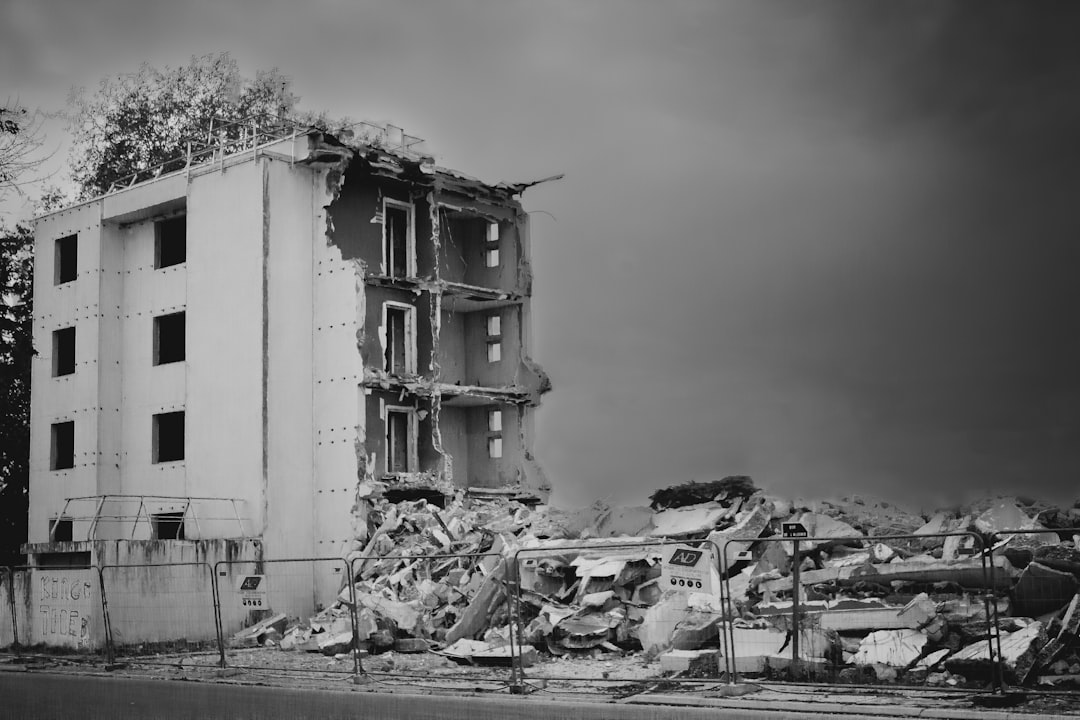
Delcy Rodriguez, a prominent government official, recently addressed mounting public anger regarding the state’s response to devastating earthquake damage. She stated unequivocally that 80% of structures that collapsed during recent seismic events were privately developed. This assertion has ignited a critical debate over construction standards, regulatory oversight, and accountability within the nation’s building sector.
The announcement aims to contextualize the widespread destruction and the government’s role in the aftermath. It also shifts significant scrutiny towards the private construction industry. Readers will learn about the implications of this finding for future urban planning, public trust, and the imperative for stricter building code enforcement.
- Delcy Rodriguez stated 80% of collapsed earthquake buildings were privately developed.
- The announcement comes amid significant public anger over disaster response.
- This finding raises serious questions about construction standards and regulatory oversight.
- Future urban development and building codes face potential reforms.
Context: Unpacking the Post-Earthquake Landscape
The region has grappled with the severe repercussions of multiple seismic events in recent quarters. These earthquakes caused widespread destruction, leading to substantial loss of life and infrastructure. Public frustration has intensified due to the perceived slowness of recovery efforts and the sheer scale of building failures.
Government officials have faced intense pressure to provide explanations and solutions. Rodriguez’s statement emerged from this environment of heightened public scrutiny. It offered a specific data point regarding the nature of the collapsed structures, focusing attention on the origins of the construction.
Why are Privately Developed Buildings Under Scrutiny?
Rodriguez’s declaration immediately highlights potential weaknesses in the private construction sector. Historically, private developments might operate under different regulatory frameworks or face less rigorous inspection compared to public infrastructure projects. This disparity can lead to variations in structural integrity.
The focus now shifts to whether these privately built structures adhered to established building codes. Questions arise about the quality of materials used and the competence of construction practices. Furthermore, the role of local permitting and inspection bodies comes into sharp relief.
What Are the Implications for Future Urban Development?
This revelation carries profound implications for urban planning and construction moving forward. Policymakers may introduce more stringent regulations for private developers. This could include enhanced seismic design requirements and more frequent, unannounced inspections during construction phases.
There is also a strong possibility of increased public demand for transparency in building permits and safety certifications. Municipalities might implement new oversight mechanisms to rebuild public confidence. Such measures could significantly alter the cost and timeline for future private projects.
How Does This Impact Public Trust and Government Accountability?
Rodriguez’s statement is a strategic move to address public discontent. By attributing a significant portion of the collapses to private development, the government aims to reframe the narrative. However, this does not absolve the state entirely.
The public will likely question the government’s role in enforcing existing building codes and ensuring proper oversight of all construction. Trust in both private developers and regulatory bodies could diminish. Restoring this trust will require demonstrable actions, including comprehensive investigations and robust reforms.
Evidence and Expert Perspectives on Structural Integrity
Seismic engineering experts consistently emphasize the critical importance of adhering to strict building codes in earthquake-prone regions. They advocate for designs that can withstand significant ground motion. The National Building Code of Canada outlines rigorous provisions for seismic design, reflecting best practices in structural resilience.
Urban planning specialists often point to the challenges of rapid urbanization. They note that this can sometimes outpace regulatory capacity, particularly in areas experiencing high growth. Ensuring compliance across a vast number of private projects remains a complex task for any jurisdiction.
The Path Forward: Enhanced Oversight and Resilience
The immediate aftermath of Rodriguez’s statement will likely involve intensified scrutiny of private construction firms. Independent audits of building safety may become commonplace. This could lead to a re-evaluation of current licensing and certification processes for developers and contractors.
Ultimately, the incident underscores an urgent need for a unified approach to building safety. This approach must involve collaboration between government agencies, private industry, and civil society. The goal is to ensure that all future construction meets the highest standards of seismic resilience, protecting lives and communities from future disasters.


