
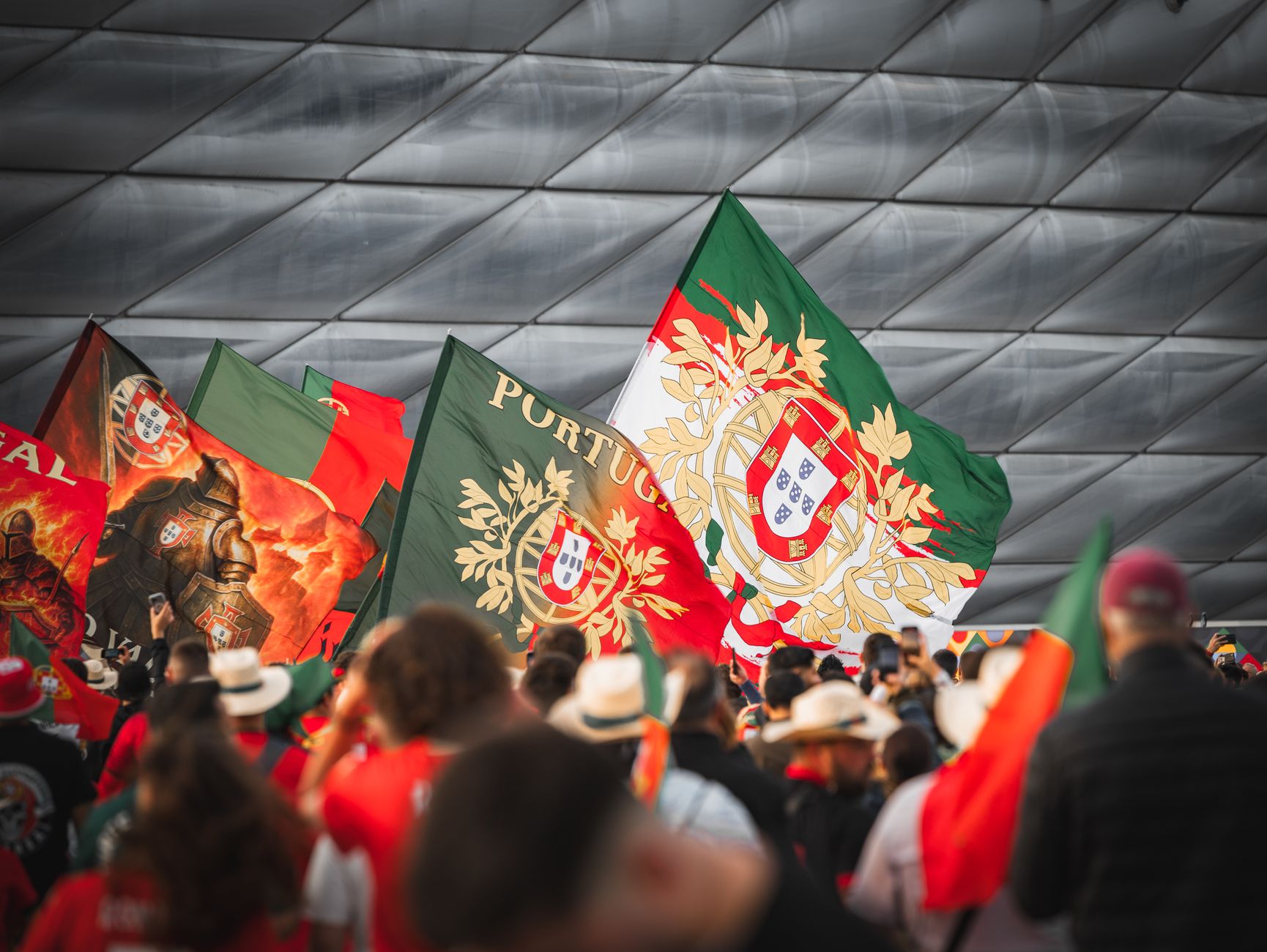
Late last year, Toronto’s vibrant Portuguese community erupted in jubilant celebrations after their national football team secured a historic World Cup victory. Hundreds of passionate fans gathered across the city, particularly around key cultural hubs, to collectively cheer and commemorate the monumental achievement. This article explores the profound impact of such large-scale fan gatherings, examining their cultural significance and the broader implications for urban communities in Canada.
- Toronto’s Portuguese diaspora celebrated a major football win late last year with hundreds of fans.
- These gatherings underscore strong community ties and the deep cultural pride associated with national sports.
- The events highlight the significant role of sports in fostering identity within multicultural urban centres.
- Such public celebrations present both economic opportunities and unique urban planning considerations for cities.
The streets of Toronto, particularly in neighbourhoods with significant Portuguese populations, transformed into a sea of red and green. Car horns blared, flags waved, and chants echoed through the night. This spontaneous outpouring of emotion showcased the powerful bond between a diaspora community and its homeland through the unifying lens of sport.
How Do Major Sporting Victories Galvanize Diaspora Communities?
National sporting success often transcends mere athletic achievement; it becomes a powerful vehicle for cultural expression and collective identity. For diaspora communities, these moments offer a unique opportunity to connect with their heritage and share a common experience. Such celebrations reinforce a sense of belonging, bridging geographical distances with shared national pride.
Football, in particular, holds a revered status within Portuguese culture. It serves as a generational link, passing down traditions and passions from elders to youth. A significant victory amplifies this connection, fostering communal joy and strengthening social bonds among residents who share a common ancestry.
What Are the Urban Impacts of Large-Scale Fan Gatherings?
Large public gatherings, while vibrant and celebratory, present distinct logistical challenges for urban centres. Toronto’s experience with the Portuguese celebrations involved managing significant crowds and ensuring public safety. City services often coordinate to facilitate these events, balancing freedom of expression with the need for order.
Economically, these celebrations often provide a substantial boost to local businesses. Restaurants, bars, and retailers in areas like Little Portugal experienced increased foot traffic and sales. Fans purchased merchandise, food, and beverages, injecting considerable revenue into the local economy during the festivities. This temporary surge creates a lively street atmosphere, benefiting both residents and visitors.
How Does Toronto’s Multicultural Fabric Embrace Such Celebrations?
Toronto prides itself on its multiculturalism, and these events exemplify the city’s capacity to embrace diverse cultural expressions. The city’s framework allows various communities to celebrate their heritage openly. This inclusivity enriches the urban landscape, making Toronto a dynamic global city.
Observers note that the city’s approach to such events often involves proactive planning and community engagement. This collaboration ensures celebrations remain spirited yet safe. The ability to host and manage such diverse public displays of national pride is a testament to Toronto’s inclusive urban policies.
Evidence and Perspectives on Community Cohesion
The fervent support seen in Toronto is not an isolated incident. Similar scenes unfolded in Portuguese communities worldwide. This global phenomenon underscores the unifying power of sports across borders. It highlights how shared cultural touchstones can bring people together, regardless of their current residence.
According to recent Statistics Canada data on Canadian multiculturalism, Canada’s diverse landscape is profoundly shaped by its immigrant communities. Sports often serve as a powerful unifier within these groups. These events offer a vital outlet for cultural identity and community cohesion, reinforcing ties that might otherwise weaken over time.
Community leaders in Toronto often emphasize the positive aspects of these gatherings. They speak of renewed community spirit and increased intergenerational engagement. Such events provide platforms for younger generations to connect with their roots and understand their cultural heritage more deeply.
Implications for Future Urban Planning and Cultural Events
The success of these celebrations offers valuable insights for future urban planning. Cities can learn to better anticipate and accommodate large-scale cultural events. This includes allocating public spaces, coordinating transit, and ensuring adequate security measures. Proactive planning can transform potential disruptions into positive community experiences.
Furthermore, these events reinforce the importance of fostering multicultural understanding. By supporting and celebrating diverse cultural expressions, Canadian cities strengthen their social fabric. This approach promotes integration and mutual respect among all residents, solidifying Toronto’s reputation as a truly global city. The ongoing passion for international sports will undoubtedly continue to shape how Canadian communities connect and celebrate.


